Nearly 50,000 people flooded across the Moroccan border into the tiny Spanish enclave of Ceuta in a single day. Let that number sink in. For a territory with a baseline population of around 84,000 people, an influx of that magnitude isn't just a logistical headache—it is a full-scale structural shock that has instantly rattled the foundations of European border policy.
Spain's interior ministry confirmed that roughly 49,000 migrants made the crossing by land and sea over a chaotic 24-hour window. While global headlines focus on the raw numbers, the human cost is devastating. At least 18 people lost their lives trying to navigate the waters or breach the barriers. Prime Minister Pedro Sánchez rushed to the enclave alongside Interior Minister Fernando Grande-Marlaska as military and police units moved in to restore order.
Why Ceuta Became the Epicenter
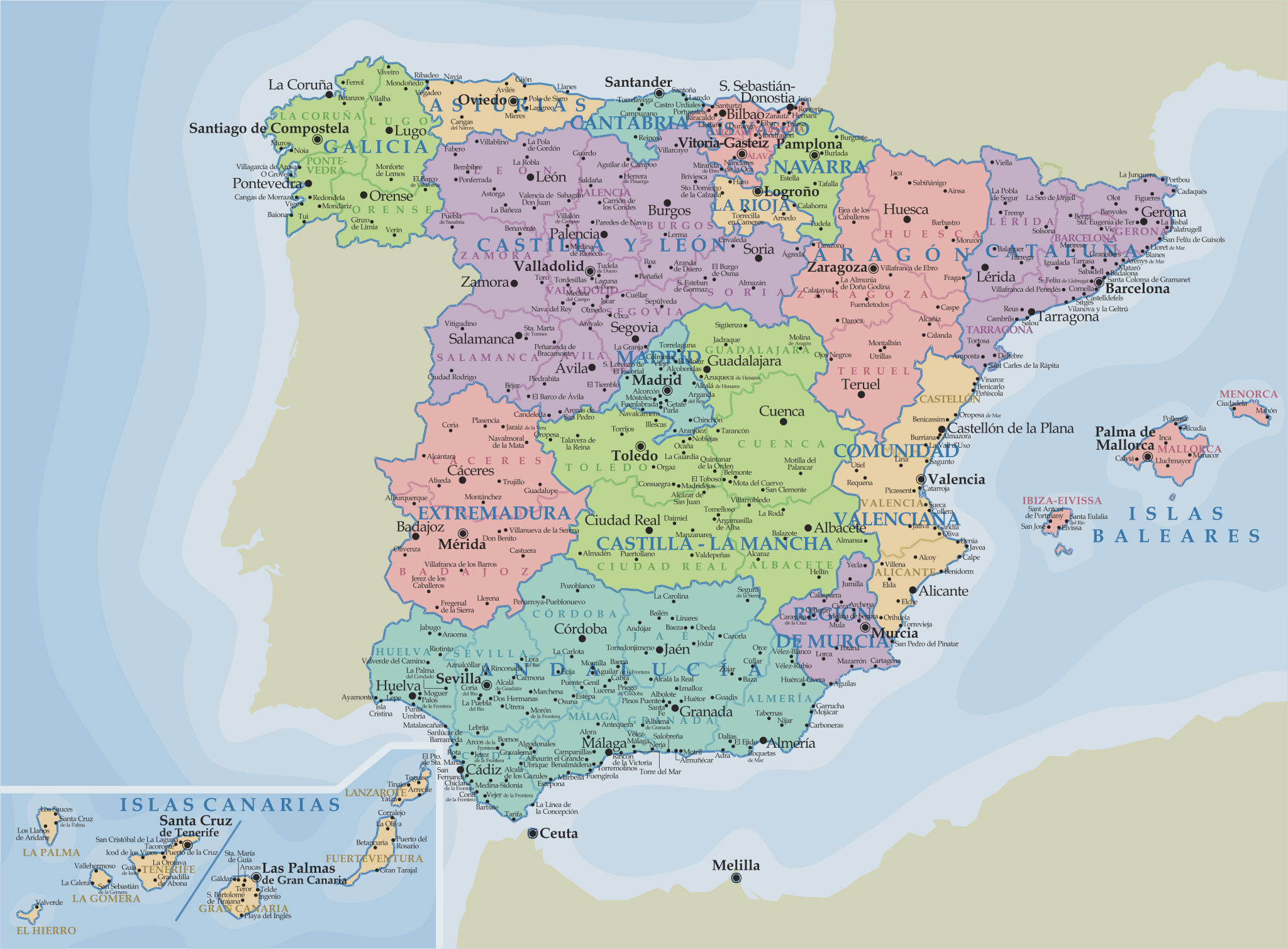
Ceuta and Melilla occupy a unique, highly volatile geographic footprint. As the European Union's only land borders on the African continent, these Spanish enclaves serve as natural magnets for individuals seeking entry into Europe. Migrants typically swim from nearby Moroccan coastal towns like Fnideq or Belyounech, covering several miles of open water, or scale the heavily fortified perimeter fences.
Yet, nothing in recent history compares to this scale. To put it in perspective, the much-publicized 2021 border crisis saw around 8,000 arrivals over two days. This latest surge dwarfs that event by a factor of six, occurring within a single day and night cycle. Videos circulating from the scene showed crowds chanting, tossing away wet clothes, and sleeping on public streets after local shelters hit total capacity within hours.
Legal Loopholes and Diplomatic Friction
What triggered this sudden, unprecedented rush? Analysts point to a combination of legal flashpoints and shifting regional dynamics. Earlier in July, Spain's Supreme Court issued a ruling stating that migrants intercepted at sea while trying to reach Ceuta or Melilla cannot be summarily turned back to Morocco. Immigration networks and desperate travelers quickly exploited this legal window, interpreting it as an open door.
At the same time, diplomatic tensions simmering beneath the surface between Madrid, Rabat, and regional players may have played a silent role. Morocco handles the frontline task of policing its side of the border. Observers note that whenever diplomatic friction occurs—such as Spain's recent efforts to strengthen ties with Algeria—security enforcement at the border can suddenly loosen. While Spanish officials have stopped short of directly accusing Rabat of orchestrating the breach, the sudden absence of normal Moroccan deterrence mechanisms was glaring.
The Immediate Political Fallout Across Europe
The shockwaves didn't stay local. Within hours of the breach, Italian Prime Minister Giorgia Meloni publicly criticized the situation, going so far as to suggest that Spain's handling of the crisis could warrant temporary exclusion from Europe's open-border Schengen zone. Meloni argued that uncontrolled mass immigration poses a direct security threat to the entire bloc.
Back in Spain, the left-wing government faces fierce backlash from conservative opposition parties. Local leaders in Ceuta urgently demanded a national emergency declaration and permanent military deployment to protect the frontier, arguing that local municipal services cannot cope with sudden population spikes of this scale.
What Happens Next
Security forces have reinforced the border fences, and Moroccan authorities have deployed water cannons and personnel on their side to push remaining crowds back from the gates. Spain intends to deport individuals who entered illegally as fast as procedural rules allow, though courts and human rights groups will heavily contest expedited removals.
This crisis proves that Europe's southern border remains extraordinarily fragile. As long as economic desperation, regional instability, and shifting legal interpretations collide, flashpoints like this will continue to test the limits of European unity.


