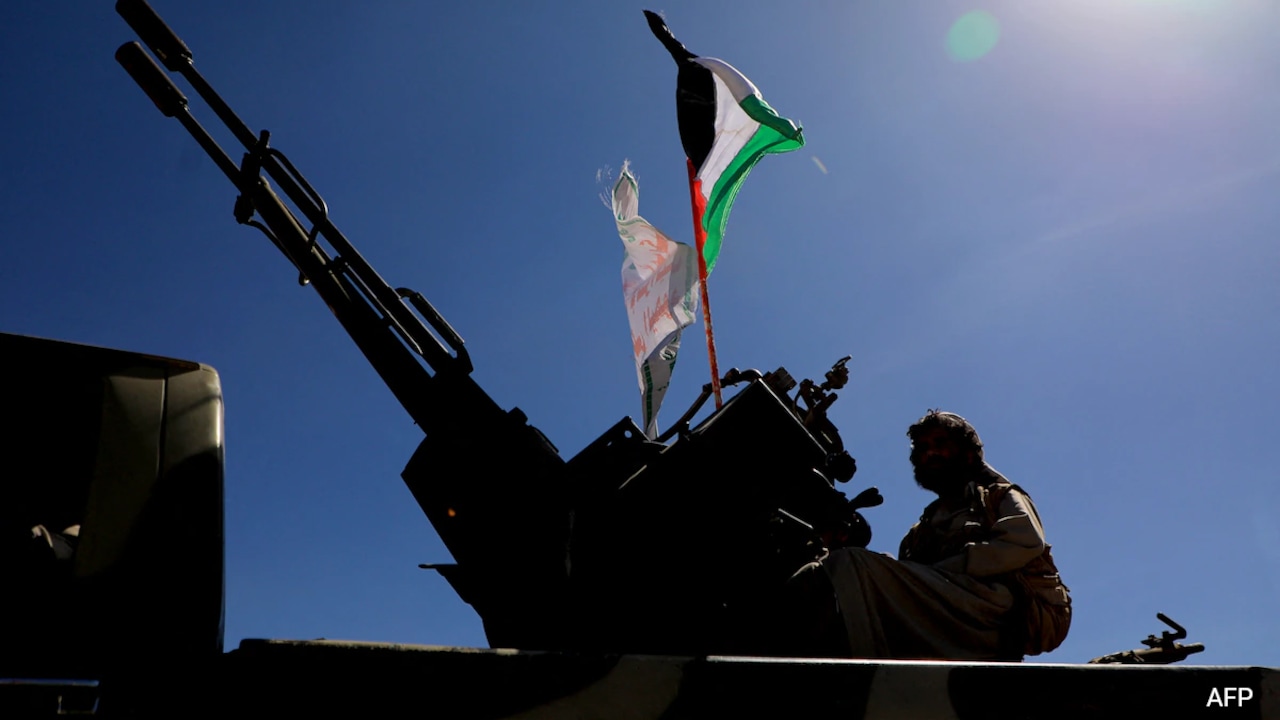
Flights halt instantly when regional conflicts spill into commercial airspace. You look at a flight tracker, see a sudden void over a conflict zone, and wonder how civil aviation manages such abrupt shifts.
The security crisis surrounding an airport in Saudi Arabia suspending service after a Houthi attack highlights a grim aviation reality. Regional escalations trigger immediate operational shutdowns to protect passengers. Security protocols move fast when incoming projectiles threaten active civilian hubs.
Let us look at how these airspace closures actually happen and what they mean for global transit.
The Real Cost of Airspace Vulnerability
Commercial airliners are not built to dodge ballistic threats or intercept drones. When Houthi forces target regional infrastructure in Saudi Arabia, aviation authorities face a binary choice. Keep flights running and risk a catastrophe, or ground everything immediately.
Safety always wins, but the ripple effects hit hard.
A single airport closure breaks interconnected flight schedules across continents. Planes end up stranded out of position. Crews time out of their legal duty hours. Passengers spend days sleeping on terminal floors waiting for rebooking options.
Air traffic management systems treat threats with zero tolerance. Governments share intelligence feeds in real time. The moment a projectile heads toward a civilian zone, civil aviation authorities issue notices to air missions, known as NOTAMs, shutting down arrivals and departures within minutes.
Why Interceptions Create Ground Hazards
People often assume that a successful missile interception means the danger has evaporated. It does not.
Debris falls over massive radiuses. A shattered projectile breaks into hundreds of high-speed fragments that can punch through a jet engine or puncture a fuel tank. Airfields sit in open terrain, making them prime targets for low-flying drones and ballistic trajectories.
When regional defense systems engage threats near an airport, falling shrapnel poses an unacceptable risk to taxiing aircraft, fuel farms, and terminal buildings. Ground operations must freeze until military clearance confirms the airspace is sterile.
Navigating Flight Rerouting Realities
Airlines maintain contingency routes for volatile regions, but changing paths mid-air is complex.
Pilots burn extra fuel flying longer detours around active conflict zones. Increased fuel consumption cuts into profit margins and forces carriers to recalculate cargo weight limits. Rising geopolitical tensions routinely rewrite global flight paths overnight.
If you are traveling through the Middle East or transit hubs nearby, keep a close eye on regional news updates before heading to the terminal. Monitor airline alerts directly rather than relying solely on third-party booking apps, which often lag behind live operational changes. Build extra buffer time into your travel itinerary if your route passes near active zones.
Check flight status pages frequently, download your carrier's mobile app for instant notifications, and always know your passenger rights if a sudden grounding derails your journey.


