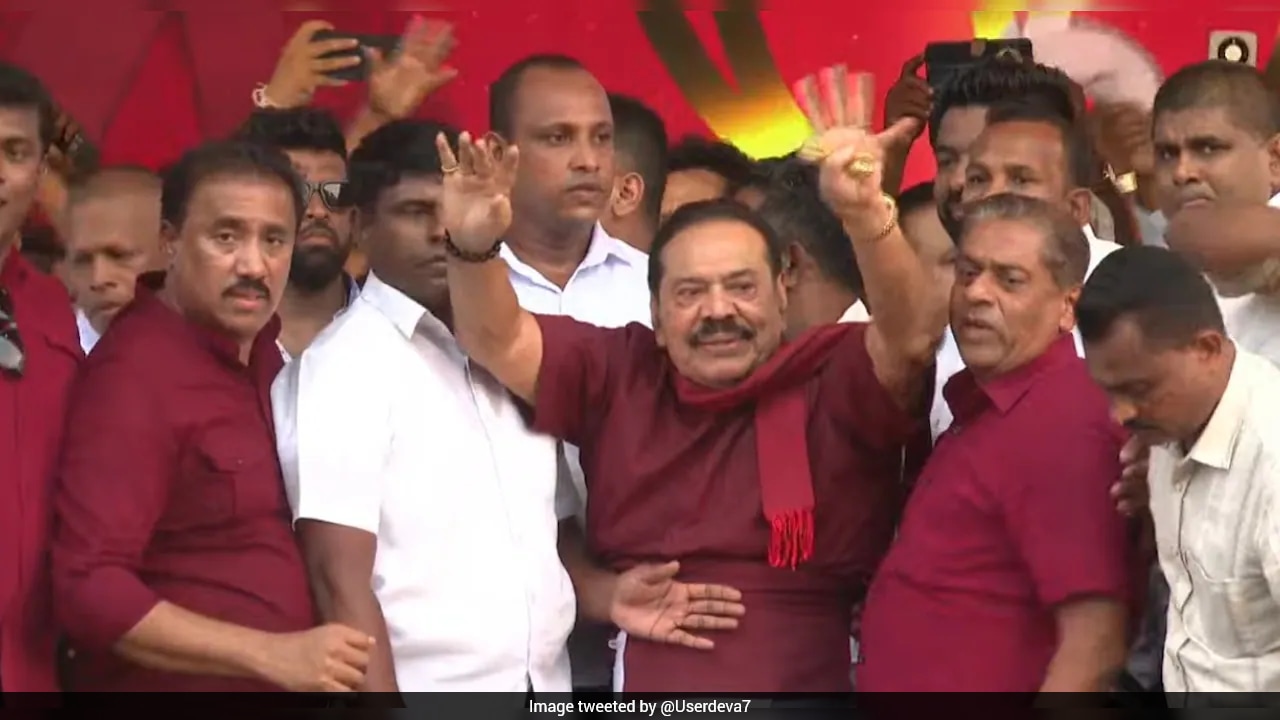
Political dynasties don't vanish overnight. They fade through moments of profound vulnerability. When former Sri Lankan President Mahinda Rajapaksa stepped onto the rally stage in Anuradhapura, the stark reality of aging power was impossible to ignore. At 80 years old, the once-commanding figure of Sri Lankan politics looked visibly frail, requiring direct assistance from aides just to navigate the platform and reach his seat.
He didn't speak. He didn't deliver the booming rhetoric that once defined his electoral campaigns. Instead, his silent presence at the Sri Lanka Podujana Peramuna (SLPP) gathering exposed a party scrambling to maintain its footing amid mounting legal pressures and shifting national tides.
The Anatomy of a Desperate Political Comeback
To understand why this specific rally matters, you have to look at the broader picture. The SLPP organized the event under immense pressure. Namal Rajapaksa, Mahinda's eldest son and the party's national organizer, was recently placed in remand custody. For a political machine that relied heavily on family continuity, losing its primary operational voice dealt a massive blow.
Party organizers tried hard to spin the narrative. Days before the event, promotional material circulated comparing Mahinda to an adult lion coming to rescue a cub in danger. Reality proved far more subdued. Operations chief Johnston Fernando had previously managed expectations by noting that the former president would skip a formal speech and take a quiet seat in the front row.
Yet, putting an octogenarian on display just to project an illusion of strength reveals tactical desperation. When your strategy hinges on parading a frail former leader who cannot address his own supporters, your bench strength is effectively empty.
The Shrinking Legacy of the Rajapaksa Era
Mahinda Rajapaksa's career remains deeply polarizing. To millions of loyalists, he is the leader who successfully concluded the decades-long civil war against the Liberation Tigers of Tamil Eelam in 2009. That victory cemented his status as an untouchable icon among the Sinhalese majority for years.
History rarely grants permanent immunity. The economic collapse of 2022 tore down the family's invincible aura. Widespread public anger over crippling fuel shortages, runaway inflation, and mismanaged national finances forced Mahinda to resign as prime minister, closely followed by his brother Gotabaya's dramatic exit from the presidency.
The current administration under the National People's Power (NPP) has aggressively pursued anti-corruption platforms. Arrests and investigations targeting key figures within the old political network have upended business as usual. Stripping away historic privileges for former presidents and locking horns over legal cases means the protective shield around political elites has worn thin.
What Comes Next for the SLPP
Political parties built around a single family name struggle to survive once the patriarch fades. Mahinda's silent appearance in Anuradhapura wasn't a triumphant return. It was a farewell tour of necessity.
If you are tracking South Asian politics, look past the emotional symbolism of these rallies. Watch the legal proceedings, monitor the financial probes, and observe how younger party members attempt to mobilize voters without the safety net of past wartime triumphs. Sympathy for an aging leader might draw a crowd for a single afternoon, but it won't reverse a shifting political reality.
Frail Mahinda Rajapaksa helped onto stage at rally
This video footage captures the exact moment former Sri Lankan President Mahinda Rajapaksa was assisted onto the stage by aides at the Anuradhapura rally.