When people talk about the opioid crisis, the mental image is almost always wrong. You picture teenagers or young adults on downtown street corners, dealing with illicit street drugs. You don't picture a seventy-year-old grandmother in the suburbs trying to manage chronic back pain.
That blind spot is killing people.
A report released by Unity Health and the Ontario Drug Policy Research Network exposes a quiet, terrifying shift. Opioid use disorder among older adults in Ontario has surged dramatically, jumping 81 percent since 2017. About one in every 350 older Ontarians is now identified as having an opioid use disorder. This isn't a problem happening in the shadows of society. It's happening in suburban homes, retirement communities, and quiet kitchens across the province.
Why are we missing it? Because our stereotypes of addiction are stuck in the past.
The Long Shadow of 1990s Prescribing Habits
To understand how we got here, you have to look backward. During the 1990s and early 2000s, Canadian doctors handed out prescription painkillers like candy. Pharmacological interventions were pushed as a miracle solution for chronic pain. Patients trusted their physicians, took the pills, and found relief.
Fast forward twenty or thirty years, and those same patients are older. Their bodies process drugs differently now. Age changes metabolism completely. What worked safely at age fifty can become toxic or dependency-forming at age seventy.
Worse yet, as prescription guidelines tightened in the 2010s and doctors cut off or tapered heavy supplies, some patients found themselves stranded. Addiction researchers note that a portion of this aging demographic eventually drifted toward alternative or unregulated supplies when their legal prescriptions dried up. They aren't partygoers seeking a high. They're aging citizens trying to keep chronic arthritis or spinal degeneration at bay.
The Hidden Danger of Isolated Living
Data from health agencies shows a chilling statistic. Roughly 78 percent of deaths associated with opioid use disorder among seniors happen right inside their own homes.
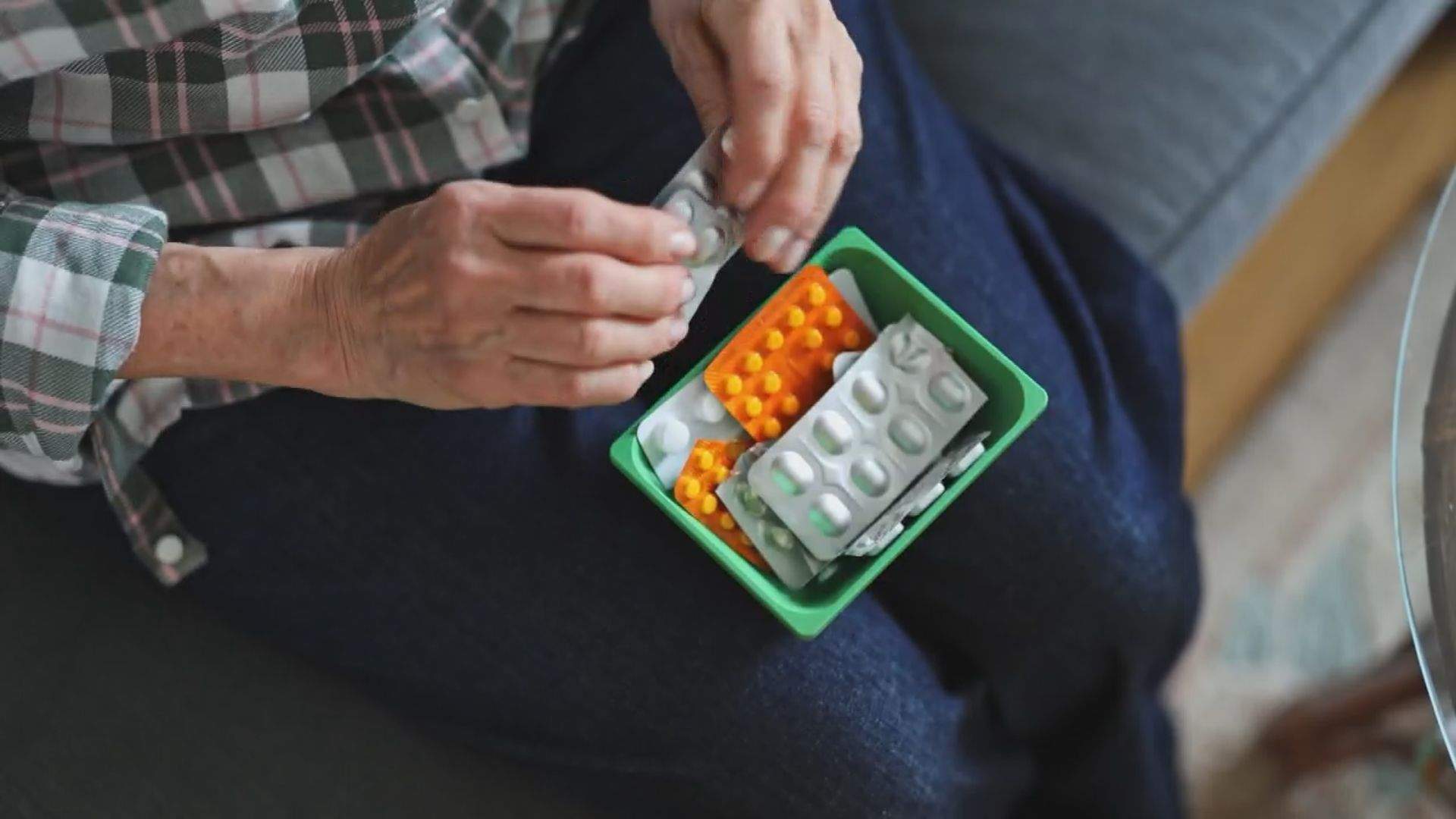
Think about what that looks like in practice. An older adult lives alone. They manage a half-dozen different medications for blood pressure, arthritis, and sleep. Drug interactions happen easily. If a senior takes an extra dose of hydromorphone or oxycodone because the pain is flaring up, there is nobody in the next room to notice the slowed breathing or confusion.
Long-term care facilities aren't immune either. Many nursing homes are chronically understaffed. Nurses and personal support workers are stretched so thin that closely monitoring complex medication regimens or tracking subtle signs of opioid toxicity becomes nearly impossible.
Dr. Samir Sinha, director of geriatrics at Sinai Health, points out that older adults have some of the highest rates of prescription opioid consumption in the country. Yet, the medical establishment often fails to screen them properly. Doctors assume seniors are compliant and safe, missing the creeping signs of dependence or accidental overdose.
How We Need to Fix Senior Pain Management
Pretending this crisis doesn't exist won't make it stop. If you have an aging parent or family member dealing with chronic pain, you need to take active steps right now. Do not assume that because a doctor wrote a prescription years ago, it is still safe today.
Here is what you actually need to do:
- Conduct a medication review: Bring every single pill bottle, supplement, and prescription to a pharmacist or geriatrician. Ask specifically about how age affects the way these drugs interact.
- Push for non-pharmacological alternatives: Pain management shouldn't begin and end with a pill bottle. Look into specialized physical therapy, clinical massage, hydrotherapy, or targeted exercise programs designed for aging joints.
- Supervise administration if necessary: If a senior relative has cognitive decline or memory issues, never leave powerful narcotics unsupervised in a bedside table. Track every dose.
- Talk openly about the risks: Break the stigma. Older adults often feel deep shame if they suspect they're becoming dependent on a medication their trusted physician gave them decades ago. Let them know it's a physical adaptation, not a moral failing.
We have to stop viewing the opioid epidemic through a single narrow lens. Until our healthcare system recognizes that grandma is just as vulnerable to this crisis as anyone else, the body count will keep climbing in suburban living rooms.