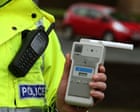
If a loved one is killed in a burglary gone wrong or an act of street violence, the machinery of the state kicks into gear immediately. Special liaison officers are assigned. Dedicated support groups offer instant assistance. But if that exact same life is snuffed out on a stretch of tarmac by a reckless or impaired driver, families often find themselves tumbling into a bureaucratic void.
An official review released by the victims' commissioner for England and Wales has laid bare an uncomfortable truth. Road crime victims feel utterly forgotten by the system. They are routinely treated as if their tragedies are mere accidents rather than violent crimes, leaving thousands of grieving relatives to navigate a cold, indifferent legal apparatus entirely alone.
The Scale of Carnage Versus the Reality of Support
Look at the numbers. In the year leading up to June 2025, nearly 30,000 people were killed or seriously injured on roads across England and Wales. That grim tally includes 1,579 fatalities—more than three times the total number of homicides recorded over a similar period. Investigators estimate that roughly 25 to 30% of these collisions involve outright criminal behavior, such as excessive speeding, drug driving, or driving under the influence of alcohol.
Yet, the institutional response bears no resemblance to how other violent crimes are handled. When someone dies because of criminal driving, families frequently wait weeks just to have basic witness statements taken by police officers. They endure agonizing delays while forces try to determine whether a crime actually occurred.
Communication is notoriously poor. Families report being left in the dark for months, chasing overworked case officers for updates while trying to plan funerals and process unimaginable grief.
Why the Legal System Fails Road Crime Victims
The disconnect starts at the roadside and extends all the way into the courtroom. Too many criminal justice professionals still view motoring offences through a lens of accidental misfortune rather than culpable negligence. When an offender steps behind the wheel intoxicated or flies down a residential street at double the speed limit, it isn't an accident. It's a choice.
According to the victims' commissioner, Claire Waxman, those affected by road crime are repeatedly told—implicitly or explicitly—that their suffering matters less than other crimes.
Court delays compound the trauma. Trials drag on for years, keeping wounds wide open. And when a case finally reaches its conclusion, the sentencing phase often delivers the most devastating blow. Grieving families watch offenders walk free or receive minimal custodial sentences after causing fatal collisions, reinforcing the agonizing perception that society does not value the lives lost on its highways.
What Needs to Change Right Now
Fixing this broken ecosystem requires an immediate overhaul of how police and prosecutors treat road traffic offenses.
First, specialized liaison units must become standard for every fatal or life-changing collision, matching the immediate support given to victims of violent crime. Families shouldn't have to fight for updates or beg for basic information about an investigation.
Second, frontline investigators need better training to treat major collisions as serious crime scenes from the very first minute. Preserving evidence, handling grieving witnesses with empathy, and cutting down the bureaucratic lag time between a crash and a charging decision are non-negotiable steps.
Finally, sentencing guidelines must reflect the true magnitude of the harm caused. Drivers who shatter families through gross recklessness belong behind bars, and the legal framework must stop treating vehicular homicide as a lesser category of loss.
If you or someone you know has been impacted by road crime, you don't have to navigate the aftermath in silence. Reach out to independent organizations like Brake or the Victims' Commissioner’s office to access specialized advocacy networks that understand what you're going through. Demand transparency from your local police force, request updates in writing, and lean on community support groups to help carry the weight when the institutional system fails you.