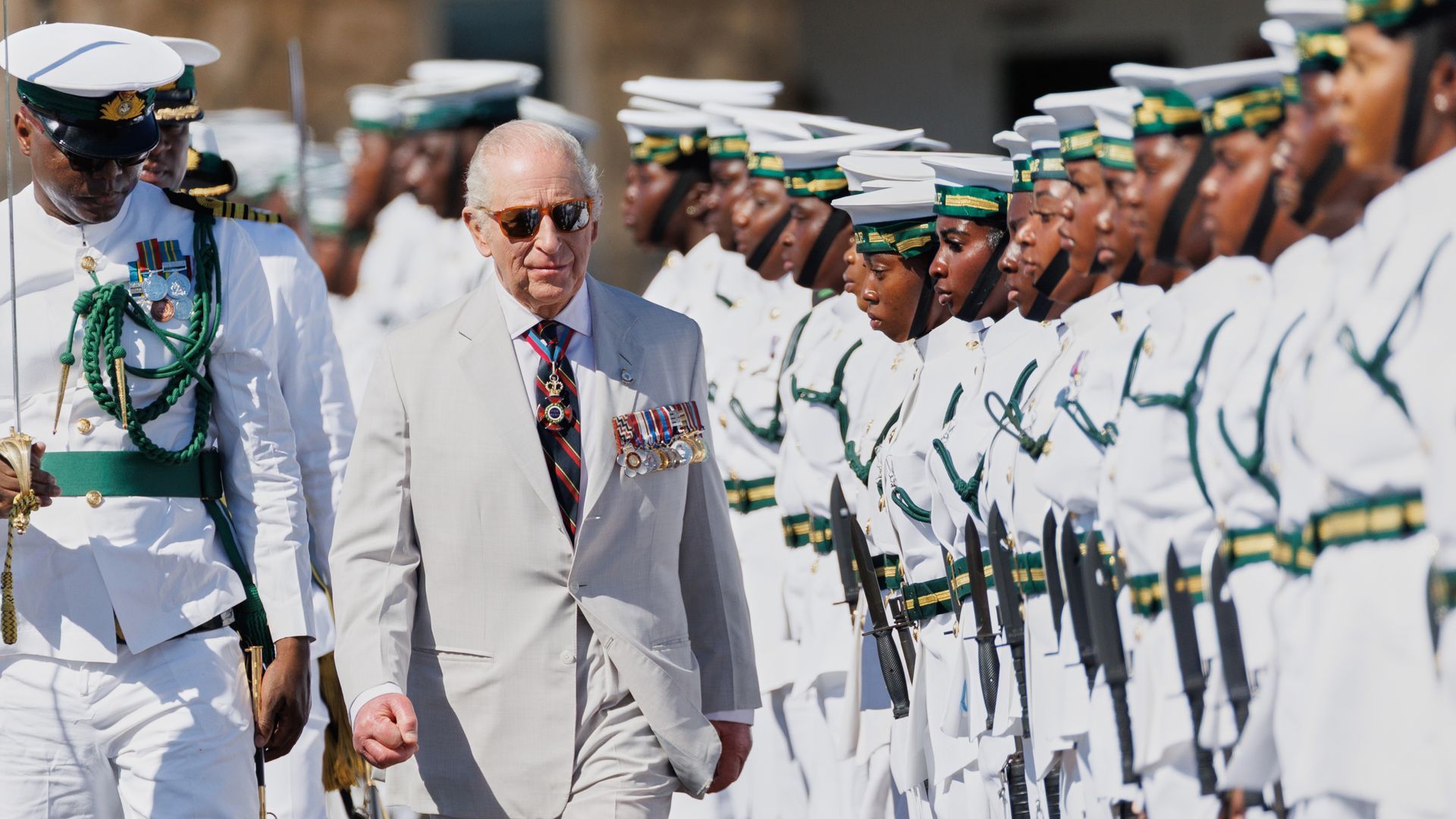
Royal tours used to be simple affairs filled with ribbon-cuttings, polite handshakes, and predictable pageantry. Those days are gone. When King Charles III lands in Antigua and Barbuda for the Commonwealth Heads of Government Meeting, he steps right into a political firestorm that royal handlers cannot wave away with a polite smile.
Caribbean leaders aren't interested in business as usual. They want a formal apology for Britain's historical role in the slave trade, and they want serious talks about financial reparations. With local leaders like Gaston Browne and regional bodies pushing the issue harder than ever, this trip highlights a massive fracture between Buckingham Palace and the nations demanding historical accountability.
The Real Agenda Behind the Commonwealth Summit
Most people assume international summits are just expensive talk shops. But this gathering in Antigua and Barbuda carries genuine weight. Leaders from 56 member states are using the spotlight to force a conversation that London has tried to dodge for decades.
Let's look at the numbers. European merchants abducted an estimated 12.5 million Africans during the transatlantic slave trade, with Britain shipping roughly 3.2 million of them. When slavery was finally abolished across the British Empire in the 1830s, Parliament didn't compensate the people who survived generations of forced labor. Instead, they borrowed millions to pay off the slave owners—a debt British taxpayers finished paying off only in the 21st century.
That historical reality forms the bedrock of modern anger. When Caribbean nations ask for reparatory justice, they aren't throwing around empty rhetoric. They're pointing out that systemic economic inequality today traces a direct line back to colonial extraction.
Why an Apology Remains Off the Table for London
If the demand is so clear, why doesn't the King just say the words? The answer comes down to constitutional mechanics and massive financial anxiety.
As monarch, King Charles operates on the strict advice of his government. Downing Street has repeatedly ruled out both a formal apology and financial reparations. British officials argue that current generations shouldn't bear legal or financial liability for historical wrongs committed centuries ago under entirely different legal frameworks.
Critics call this a cop-out. Other European monarchies, like the Netherlands, have formally apologized for their royal involvement in slavery without collapsing. Yet British ministers remain terrified that a single apology will open the floodgates to trillion-dollar reparation claims from across the globe.
Navigating the Tightrope of Royal Diplomacy
King Charles finds himself in an impossible bind. He has publicly acknowledged the "great suffering of the past" and called slavery a stain on human history during various speeches across the region. During his 2021 visit to Barbados—when the nation transitioned to a republic—he openly spoke about the appalling atrocity of slavery.
Yet expressions of sorrow don't satisfy leaders who want institutional action. Commonwealth Secretary-General Shirley Botchwey put it bluntly ahead of the summit, noting that an apology "wouldn't hurt" and that the organization cannot run away from the topic.
Antigua and Barbuda presents a unique battleground. Prime Minister Gaston Browne and other regional figures have made it clear that while they welcome dialogue, symbolic gestures are losing their value. They want a roadmap for economic justice, climate assistance, and structural reform.
What Happens When the Cameras Leave
Royal tours are heavily choreographed to project unity. Protesters outside summit venues tell a completely different story, chanting slogans and demanding immediate accountability.
The friction defining this Caribbean visit isn't going away once the King flies home. Younger generations across the Commonwealth are questioning the relevance of an institution rooted in colonial history. If the British Crown wants to maintain any genuine influence in the region, quiet diplomacy won't cut it anymore. Real partnership requires facing uncomfortable truths head-on, even when the bill comes due.