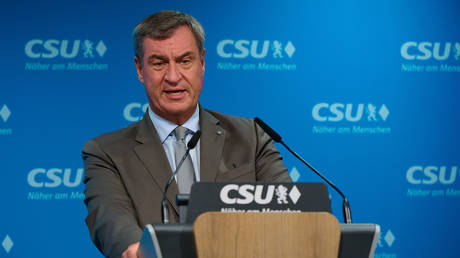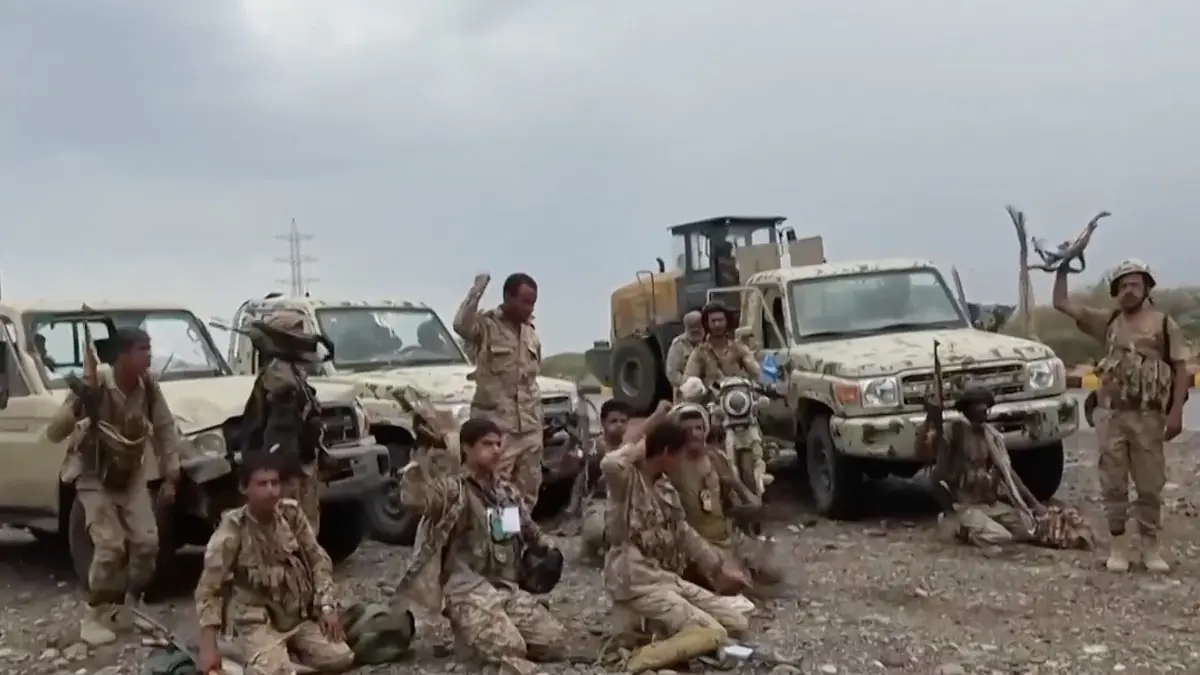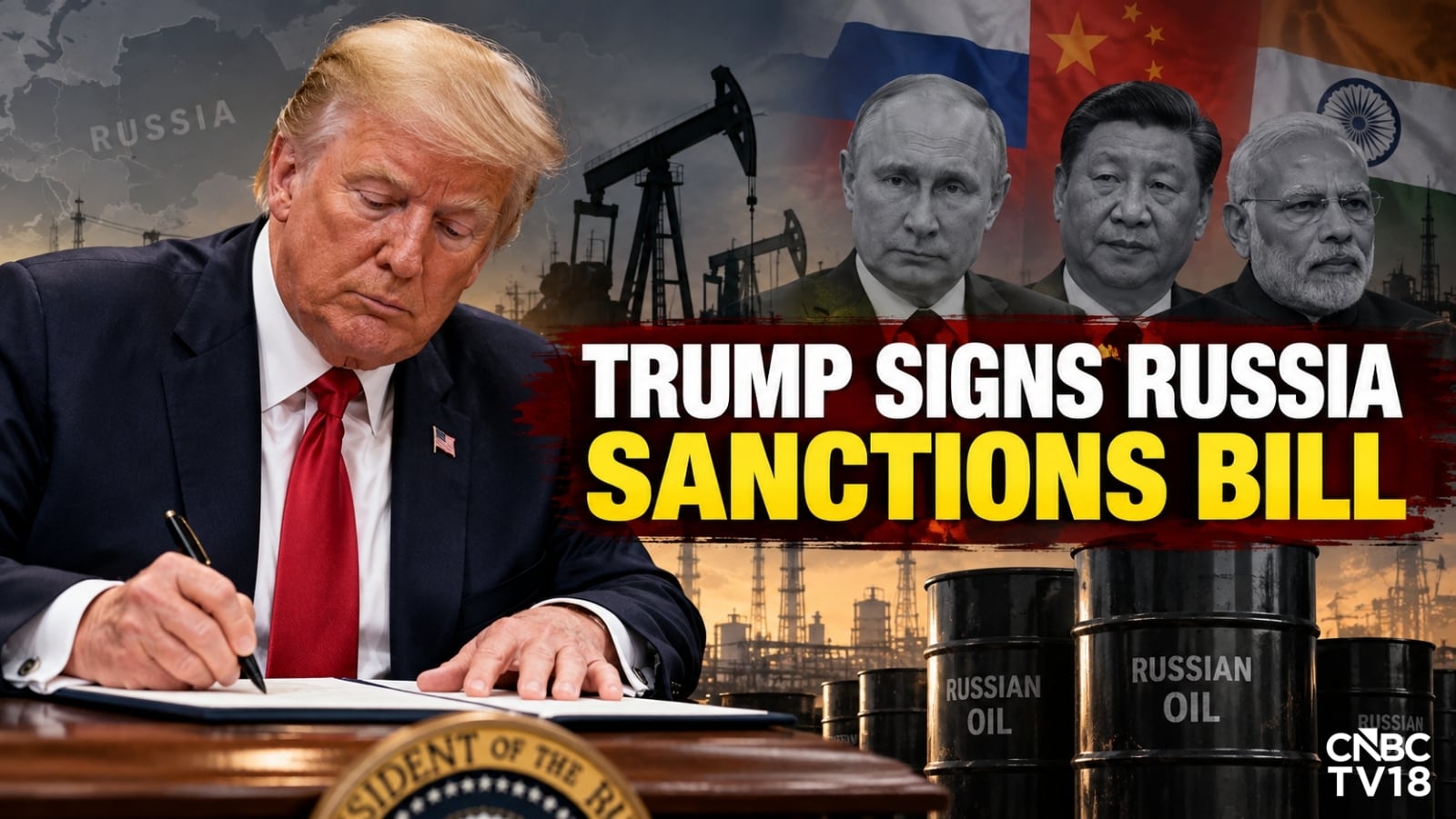
Geopolitical chess moves rarely happen in isolation. When the European Union dropped its 21st sanctions package targeting Moscow, everyone knew a response was coming. Russia didn't disappoint the watchers of this ongoing diplomatic cold war. Moscow hit back hard by significantly expanding its entry ban list for European representatives.
If you think this is just diplomatic theater, think again. The stakes are rising, and the escalation touches everything from EU parliamentarians to military positioning in Asia. Let's break down what's actually happening behind closed doors.
The Anatomy of Moscow's Retaliation
Russia's Foreign Ministry made it clear that the latest EU restrictions won't go unanswered. The updated blacklist isn't just about high-ranking politicians anymore. It reaches deeper into European institutional structures.
Who is actually on the receiving end of these travel bans?
- Members of national parliaments across EU member states who voted for anti-Russian legislation.
- European Parliament deputies driving hostile policy agendas.
- Civil society activists and academics actively pushing anti-Russian narratives in Western institutions.
- Officials involved in scaling up military aid to Ukraine or obstructing Russian maritime trade.
Moscow's strategy is straightforward. If you draft, vote for, or fiercely support measures designed to squeeze the Russian economy, you don't get to step foot on Russian soil. It is tit-for-tat diplomacy at its most rigid.
Beyond Europe: The Japan Angle and US Missiles
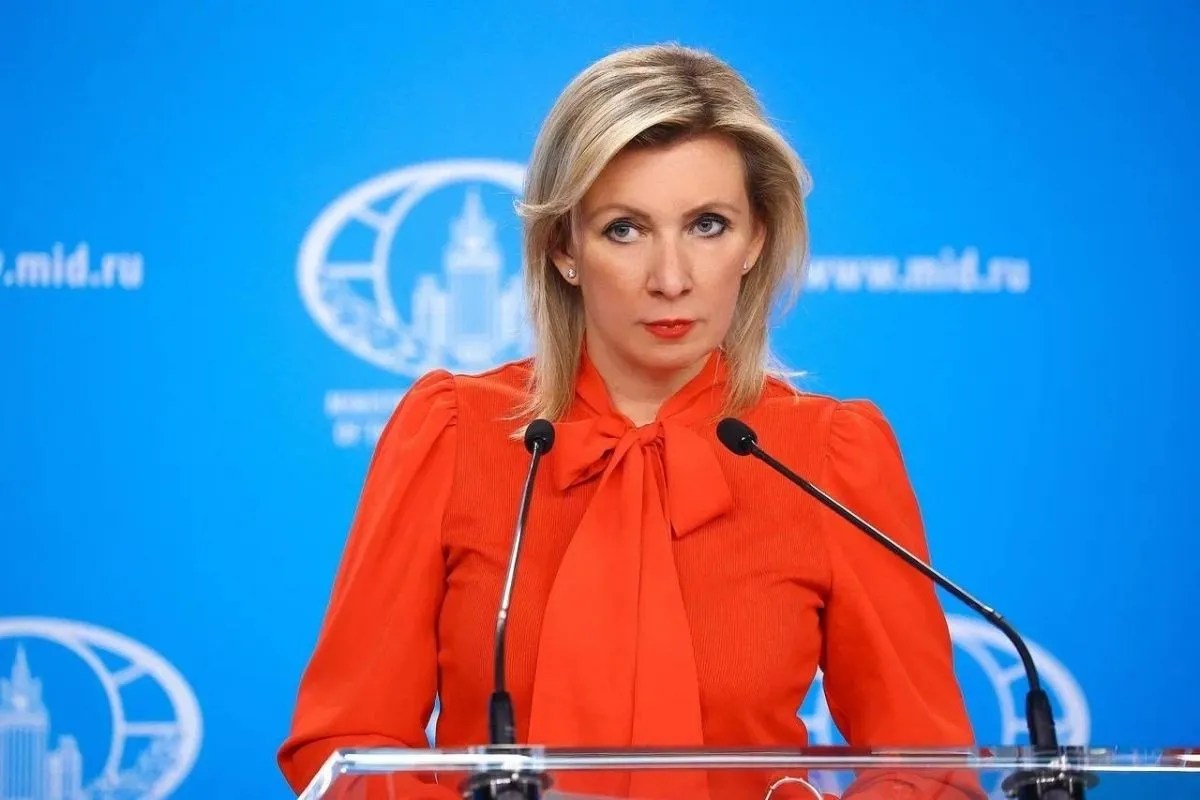
What makes this latest geopolitical tremor fascinating is that it doesn't stop at European borders. Maria Zakharova, the vocal spokesperson for Russia's Foreign Ministry, recently turned the spotlight toward Tokyo.
Moscow issued a blunt warning to Japan regarding the deployment of American Typhon missile systems on Japanese territory, specifically pointing to the Kyushu region. These aren't minor defense upgrades. The Typhon system handles intermediate and short-range missiles.
Russia's stance is absolute. Deploying these launchers under any pretext—even joint military exercises—poses a direct security threat. Moscow also expects Tokyo to fully accept the historical outcomes of World War II, including ongoing disputes over the Southern Kuril Islands, rather than leaning into rapid militarization.
Why Traditional Diplomacy Is Failing
We're watching the total breakdown of traditional diplomatic channels. When sanctions packages reach milestone numbers like twenty-one, compromise stops being a priority. Both sides are digging trenches.
The EU wants to cripple economic lifelines and isolate Moscow on the world stage. Moscow wants to impose personal and political costs on anyone enabling those policies. Academic networks, civic organizations, and ordinary lawmakers are now collateral damage in a battle of economic attrition.
You won't find anyone backing down anytime soon. The economic costs are mounting for European energy markets, and Russia is aggressively shifting its alliances toward Asia and the Global South.
What Comes Next
Don't expect a sudden thaw in relations. As long as military aid flows into Ukraine and new sanction tiers roll out of Brussels, the travel bans and retaliatory counter-measures will only widen.
Keep an eye on how individual European nations respond to these expanded travel restrictions. Some EU capitals might brush it off as a badge of honor, but others will quietly reassess their public rhetoric. The diplomatic freeze is here to stay, and the boundaries keep getting pushed further out.