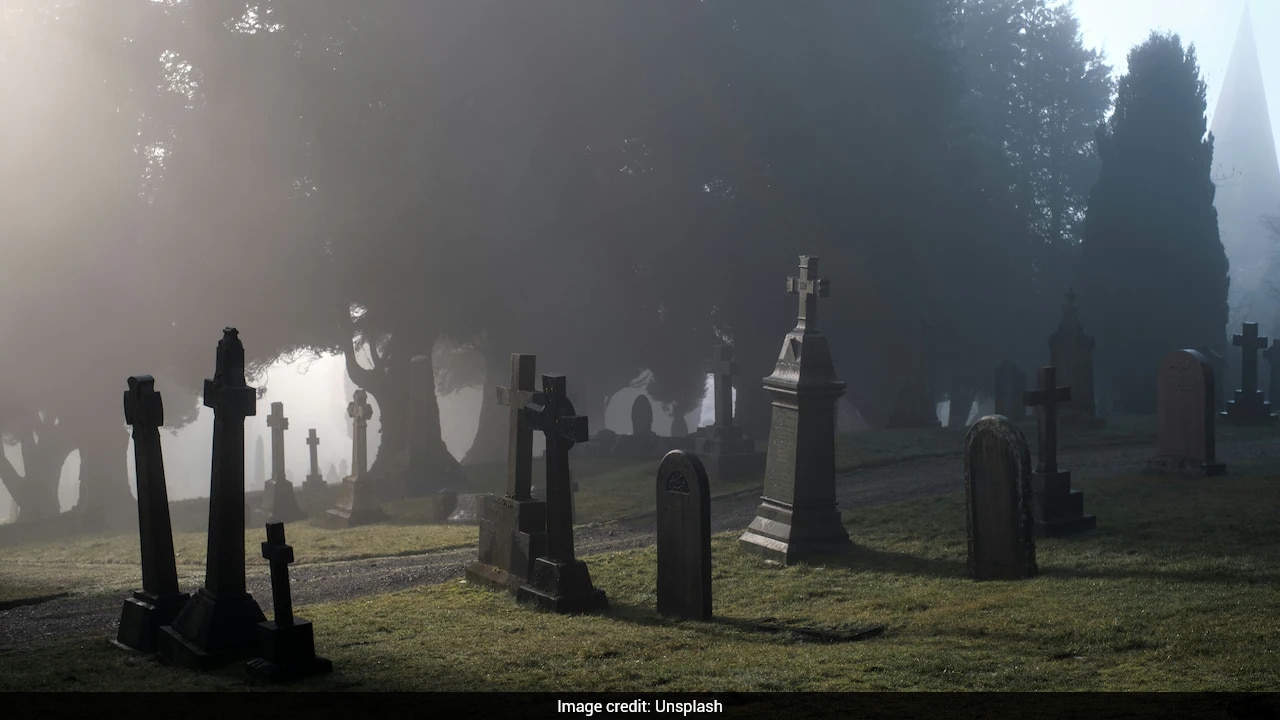
Taking a walk through a public cemetery and snapping pictures used to be an ordinary act. In Russia right now, it can land you a 14-year prison sentence for high treason.
The Yaroslavl Regional Court recently handed down a severe 14-year sentence in a maximum-security penal colony to 48-year-old local resident Nikolai Shcherbakov. His crime? Systematically visiting a memorial cemetery and taking covert photos and videos of military graves. According to state prosecutors, those images were then forwarded to Ukrainian special services.
This ruling marks a grim milestone. It represents the first known high treason conviction specifically tied to photographing military burial sites. As the boundaries of state security expand to encompass public spaces and grief itself, ordinary citizens are finding themselves caught in a tightening web of surveillance.
How a Cemetery Visit Became High Treason
The legal mechanisms behind Shcherbakov's conviction point to a drastic shift in how Russian authorities handle information related to military casualties. Court documents state that the 48-year-old Yaroslavl resident began taking pictures and videos of servicemen's burial plots starting in October 2024.
State investigators argued that documenting these memorial sites went beyond personal curiosity or public record-keeping. Instead, prosecutors framed the collection and transmission of military grave data via encrypted messenger apps as an act of espionage aiding a foreign state.
Independent media outlets and human rights monitors note that this is not an isolated incident. Across multiple regions, security forces have turned their attention toward cemeteries containing the graves of soldiers killed in the ongoing war. Similar detentions have surfaced in Tomsk and Yekaterinburg, where local authorities even erected warning signs in cemeteries threatening legal consequences for anyone caught filming military plots.
The Shrinking Space for Public Information
Why are gravesites becoming restricted zones? Monitoring military burials allows independent researchers, journalists, and foreign intelligence to estimate casualty numbers, identify military units, and track losses that official state channels might downplay or omit.
For a government trying to tightly control the narrative surrounding its military operations, visual documentation of expanding war cemeteries presents a significant public relations and security problem. By labeling the documentation of these graves as high treason, authorities have drawn a hard line. What used to result in forced on-camera apologies or minor administrative harassment has escalated into draconian prison terms.
Security agencies like the Federal Security Service (FSB) have ramped up physical and electronic surveillance around memorial grounds. Plainclothes officers, hidden cameras, and increased patrols mean that anyone lingering too long near a recent military section risks immediate detention.
What This Means for Everyday Citizens
If you are traveling through or living in regions with heightened state security, the margin for error has vanished. Activities that seem entirely benign in open democratic societies—such as documenting public monuments, taking panoramic photos, or visiting war memorials—are now viewed through a lens of paranoid suspicion.
The message from the judiciary is blunt. The state controls what can be recorded, what can be shared, and how public grief is expressed. Anyone stepping outside those rigid boundaries faces decades behind bars.
Stay aware of local legal realities and understand that public spaces in authoritarian environments carry invisible tripwires.