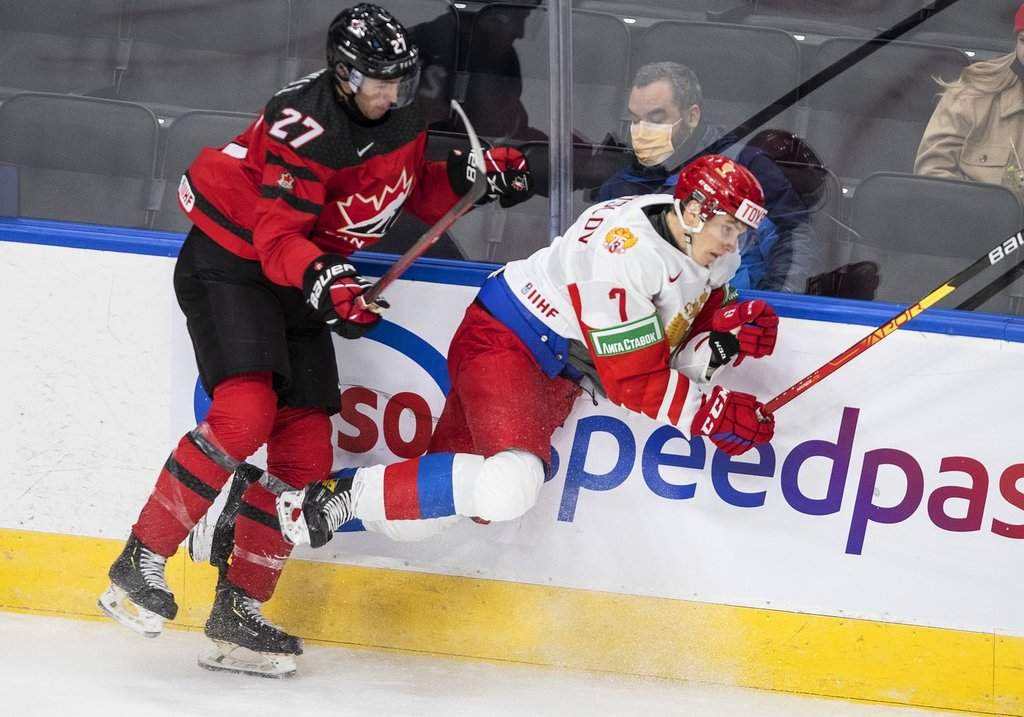
International hockey is a mess right now. A high-stakes collision between sports law, geopolitical tension, and national pride just threw the upcoming world junior championship into total chaos.
When the Court of Arbitration for Sport overturned previous bans and cleared the path for Russian and Belarusian teams to return to international play, sports executives expected a straightforward path back to the ice. They didn't count on fierce political pushback. Prime Minister Mark Carney drew a hard line, stating clearly that Russia will not be allowed to compete at the upcoming World Juniors hosted in Alberta.
If you are trying to figure out how a court ruling gets completely blocked by a federal leader, you have to look at the massive friction between global sports governance and domestic political reality.
The Court Ruling Versus Political Reality
The legal battle started when international sports bodies faced challenges over blanket exclusions. The Court of Arbitration for Sport ruled that barring Russian athletes indefinitely violated regulatory frameworks, forcing the International Ice Hockey Federation to open the door for a potential return.
That legal victory for Russian hockey officials lasted about as long as a bad clearing attempt in the defensive zone.
Canada's federal government slammed the brakes immediately. Foreign Affairs Minister Anita Anand called the reinstatement a great disappointment, noting that all options remained on the table. Shortly after, Carney made the government's stance absolute for the tournament scheduled in Edmonton and Red Deer.
You cannot separate modern sports from global politics. When a nation is actively waging a devastating war, welcoming its flag back onto international ice is a PR disaster that host governments refuse to swallow. Ukrainian community groups in Alberta and across Canada voiced intense anger over the normalization of athletic ties while the conflict continues. Politicians listened.
The Boycott Threat That Forced the Issue
Legal rulings from arbitration courts don't automatically hand out visas or secure venue access. Long before Carney made his announcement, rival hockey nations were already organizing resistance.
Sweden, Finland, and Czechia made it clear they would refuse to play matches against Russian squads. A tournament where half the powerhouse hockey nations walk off the ice in protest is not a viable sporting event. It is a logistical nightmare.
Hockey Canada found itself caught in a crossfire. While the world junior tournament in Alberta operates independently of direct federal funding, the federal government controls immigration, border entry, and diplomatic channels. If Russian players can't secure entry clearance or if the entire European contingent threatens a mass boycott, the tournament cannot function.
What Happens to the World Juniors Now
With the political ban firmly in place, tournament organizers can finally pivot back to hockey planning without the looming threat of boycotts and massive protests inside the arenas.
The schedule remains locked for Boxing Day. Edmonton and Red Deer are moving forward with preparations, hosting powerhouse matchups without the inclusion of Russian rosters.
This whole ordeal proved one major reality about international sports administration. Bureaucratic courts can issue rulings on paper, but they cannot force sovereign governments to issue visas or compel independent nations to step onto the ice against opponents they reject.
Keep your eyes on how international federations rewrite their eligibility rules moving forward. This fight is far from over, but for the Alberta tournament, the ice is clear and the political boundary lines are drawn.