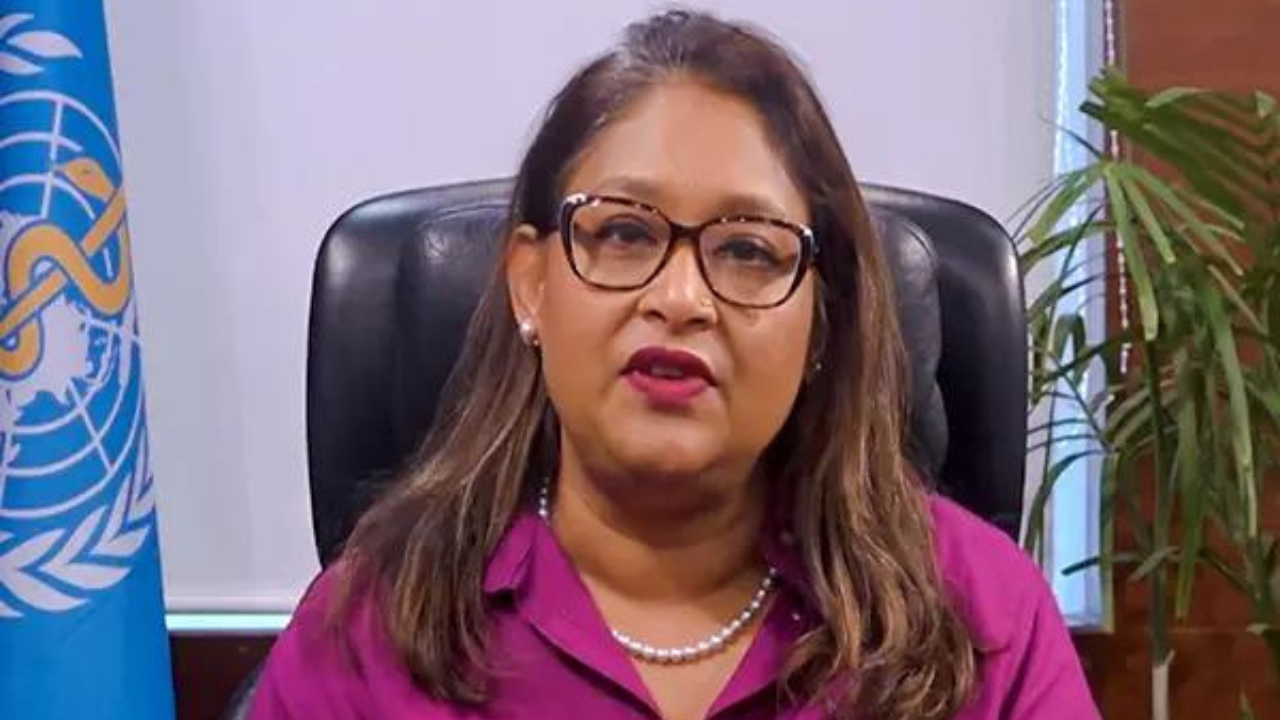
The exit of Saima Wazed from her high-profile United Nations post marks a stunning political collapse. Saima Wazed, daughter of ousted former Bangladeshi Prime Minister Sheikh Hasina, officially resigned as the World Health Organization’s regional director for Southeast Asia. Her departure on September 9 follows a crushing combination of international investigations, financial fraud accusations, and intense pressure from member states.
If you thought global health agencies operated entirely outside the dirty mud of domestic politics, this case shatters that illusion. The fallout from the mid-2024 uprising that drove Sheikh Hasina out of Bangladesh has officially crossed international borders. Saima Wazed's swift downfall reveals how quickly institutional shields crumble when geopolitical back-channels shift.
How the WHO Crisis Unfolded
Saima Wazed assumed office in February 2024 for a five-year term after winning an election through the WHO's Southeast Asia Regional Committee in late 2023. Her tenure started with immense prestige. She was the first person from Bangladesh and only the second woman to hold the powerful regional post.
Then the political landscape in Dhaka inverted. Following her mother's departure to India amid mass anti-government protests, Bangladesh's interim government and its Anti-Corruption Commission moved swiftly. In March 2025, authorities filed charges against Wazed alleging fraud, forgery, and misuse of power.
The UN health agency didn't wait long to react. By July 2025, the WHO placed Wazed on unpaid administrative leave. Internal investigations quickly expanded beyond local charges, focusing on three major areas:
- Financial fraud allegations regarding travel expenses to China.
- Serious questions concerning the misrepresentation of academic credentials in her application.
- Disputed land acquisition claims in Bangladesh.
Breaking Down the Allegations and Defenses
The defense team representing Wazed pushed back aggressively against every charge. Regarding the financial probe, lawyers pointed to an administrative oversight by an assistant processing routine reimbursements, noting the entire disputed amount was a meager $901.
On the credential front, critics claimed she improperly used an honorary doctorate as a formal academic qualification. Wazed countered that she held that honorary title strictly for her widely recognized work on autism advocacy in Bangladesh and had remained completely transparent with WHO Director-General Tedros Adhanom Ghebreyesus.
The land acquisition dispute proved equally contentious. The WHO flagged a plot of land acquired in Bangladesh. Wazed argued in her resignation letter that she secured the property legally before joining the UN body, citing entitlements under a specific Bangladeshi law shielding the families of the nation's founding leader, Sheikh Mujibur Rahman, who is her maternal grandfather.
Why She Walked Away
Wazed didn't go quietly. In her resignation letter addressed to Tedros Adhanom Ghebreyesus, she launched a blistering critique of the UN leadership. She claimed she lost all trust and confidence in the agency's direction after being sidelined for nearly a year without pay, calling her financial situation untenable.
Behind closed doors, the pressure was already mounting beyond repair. A day before her resignation, the WHO regional committee recommended terminating her appointment entirely. Rather than face a formal executive board termination, she chose to step down.
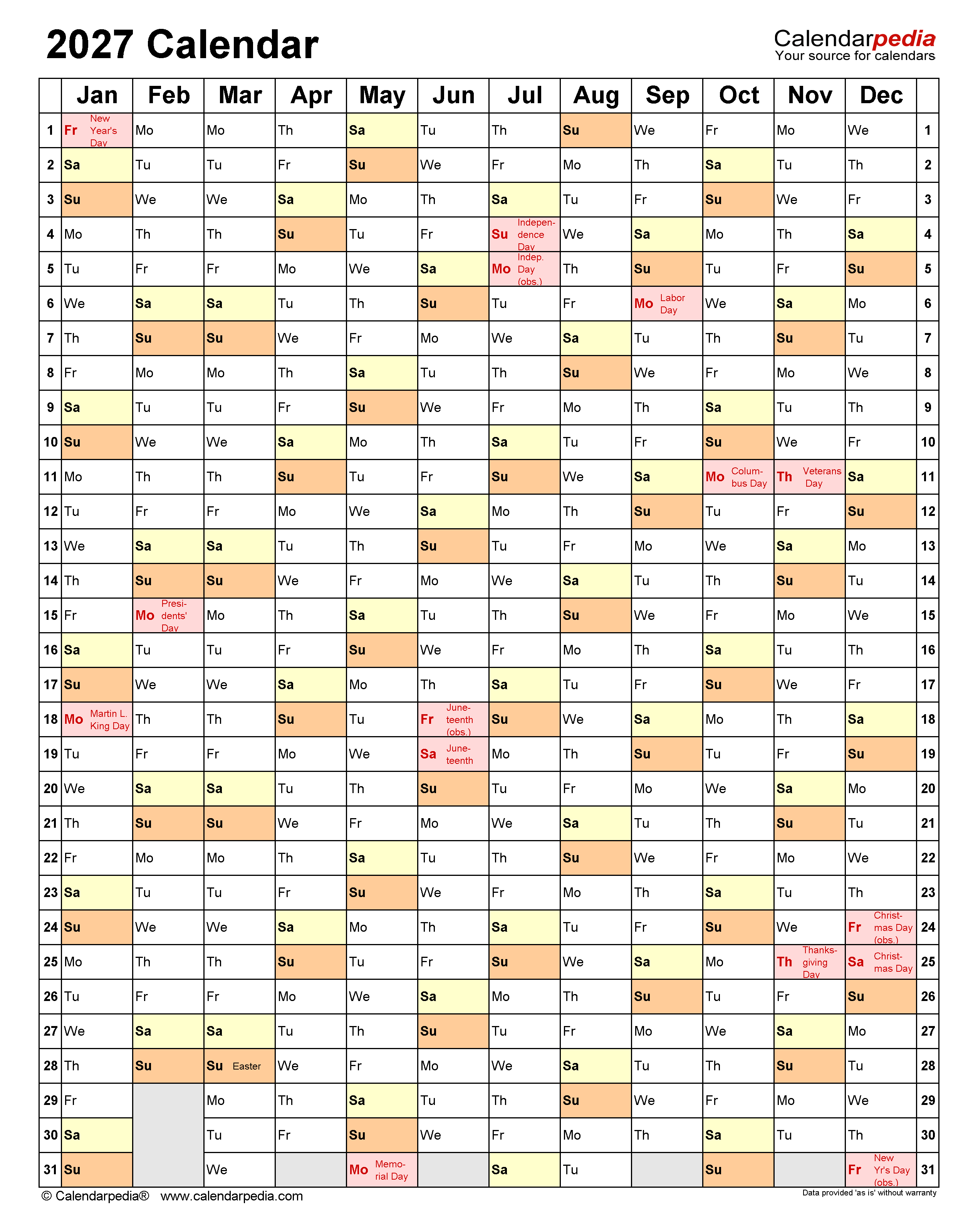
Sources indicate the WHO plans to move fast. Nominations for a new regional director are slated for October 12, application vetting will occur in December, and fresh elections are scheduled for January 24.
The collapse of Saima Wazed's tenure sends a clear signal to political appointees across international organizations. When home-country protections vanish, international immunity offers very little shelter against coordinated investigations. Watch the upcoming regional elections closely to see how member states navigate the shifting power dynamics in South Asia.