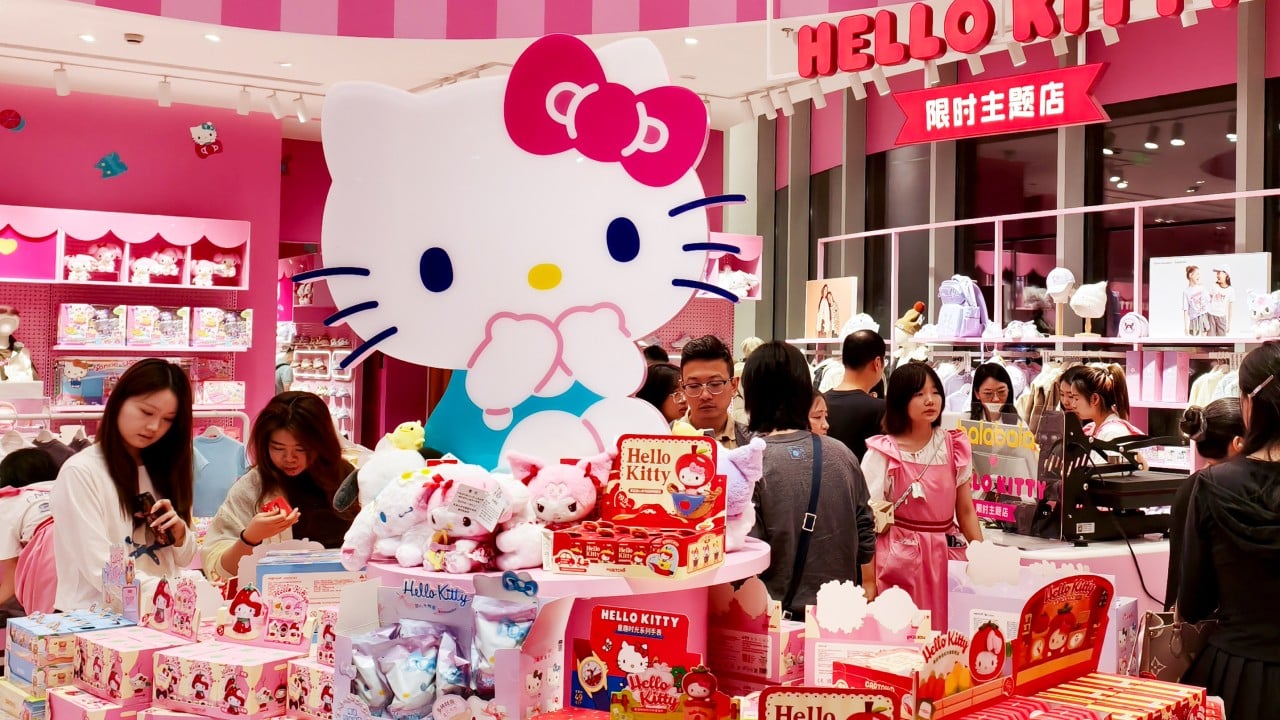
When you build a multi-billion dollar empire on the back of cute characters like Hello Kitty, your brand equity lives and dies by universal harmony. You don't want your corporate name anywhere near geopolitical friction. Sanrio just learned this lesson the hard way. The company abruptly scrapped its promotional collaboration with the hit Japanese television show Vivant after a massive wave of public anger erupted in China.
If you run consumer brands across borders, you know how fast a licensing deal can turn into a corporate nightmare. Let's look at why Sanrio pulled the plug so fast, what sparked the firestorm, and what this means for global intellectual property strategy.
The Spark That Triggered the Backlash
The controversy centers around Vivant, a high-budget Japanese espionage drama broadcast by TBS. The show follows a corporate worker drawn into international intrigue. Sounds standard, right? But the second season, which premiered in July, included intense scenes featuring Chinese intelligence agents torturing a Japanese spy.
Chinese state media, including CCTV and the Global Times, jumped on the narrative immediately. Critics argued that the specific torture methods depicted—such as cutting fingers and stabbing—overlapped heavily with historical atrocities committed by Japanese troops against Chinese citizens during wartime. State outlets accused the drama of distorting history and deliberately smearing Beijing.
On Chinese social media, the reaction was fierce. Users pointed out the glaring mismatch between Sanrio’s wholesome image and a gritty spy thriller touching raw historical nerves. The Global Times warned that Hello Kitty "should not dance with Japan's right wing," threatening the deep emotional trust Sanrio spent decades cultivating with Chinese consumers.
Why Sanrio Folded Immediately
Sanrio didn't wait around to see if the storm would blow over. They issued a statement confirming the immediate termination of the Vivant collaboration, alongside all related promotional campaigns and future projects.
Money talks, and Sanrio has plenty at stake in mainland China. In the first half of 2026 alone, Sanrio China pulled in 781 million yuan—roughly $117 million—marking a year-on-year growth rate exceeding 40 percent. The company even harbors ambitions to incubate a brand-new character IP directly from the Chinese market, aiming for the massive success seen with characters like Cinnamoroll.
When your growth engine relies on a massive foreign market, you cannot afford to alienate your base over a television tie-in. Sanrio admitted that the collaboration contained elements inconsistent with its core corporate philosophy of fostering care and connection. They also pledged to tighten internal review mechanisms for future partnerships.
The Broader Lesson for Global Brands
Cross-border licensing is tricky. Too many companies treat international partnerships as simple checklist items. They look at ratings, viewership numbers, and immediate revenue projections, forgetting to audit the cultural context of the content.
When you manage iconic intellectual property, you're managing emotion. Consumers don't just buy a plush toy or a branded shirt; they buy into a set of values. If those values clash with local historical sensitivities, political realities, or nationalist sentiment, the backlash is swift and punishing.
TBS, the network behind Vivant, stated that the fictional series never intended to disparage any country. But intent rarely matters once public outrage takes root. Brands caught in the middle have to make tough calls. Sanrio chose brand preservation over a promotional partnership.
Going forward, expect entertainment conglomerates and global consumer brands to implement rigorous compliance checks on media tie-ins. Checking box-office numbers or TV ratings isn't enough anymore. You need cultural intelligence teams vetting every script and storyline before a single character logo goes on promotional materials.
Review your current international licensing agreements today. Look past the financial upside and audit the cultural footprint of every partner you touch.