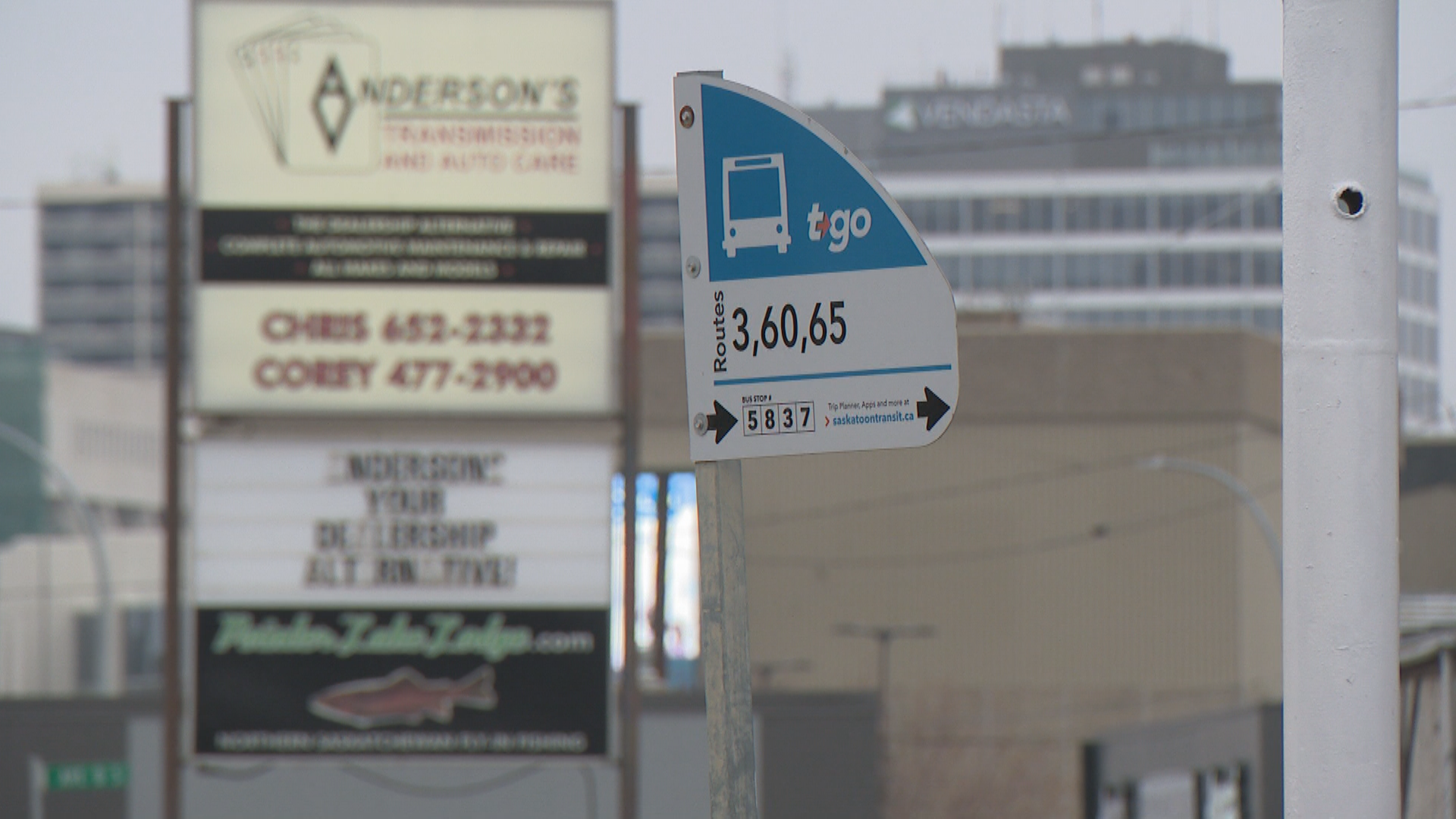
Big transit projects always sound great on paper until your commercial property is the one getting carved up. Saskatoon is finding out that modernizing a transit network isn't just about pouring concrete and scheduling buses. It is about dealing with real property owners who feel completely blindsided by city hall.
The city's transportation committee is facing a high-stakes decision on whether to pull the trigger on land expropriation. Six specific parcels on 22nd Street West and 8th Street East are stuck in limbo. Negotiations broke down, communications stopped, and now city administrators want the legal authority to force the issue under Saskatchewan's Municipal Expropriation Act. Meanwhile, you can read other events here: Why Andy Burnham Is Reframing Britain Migration Debates Beyond Populist Fear.
Let's look at what's actually happening on the ground.
Why Negotiations Hit a Brick Wall
Cities need space for Bus Rapid Transit platforms. In Saskatoon, each planned station requires between 30 and 57 square metres of land. While that sounds small on a massive municipal map, it's a huge deal when you own the parking spaces or drive-thru lanes sitting right on that exact footprint. To understand the full picture, check out the detailed report by Al Jazeera.
City officials started talking with landowners back in 2024. They managed to buy 10 properties without a fight and expect to pick up five more. But six holdouts remain. Some owners outright refuse to sell, while others simply stopped answering emails and phone calls from municipal workers.
Instead of going back to the drawing board, city administration dropped a surprise agenda item on Friday, telling shocked property owners to consult their lawyers immediately.
The Business Community Pushback
Local business representatives didn't hold back their frustration. When you spring legal notices on business owners right before a major committee meeting, you don't build trust. You build a wall of resistance.
Karen Kobussen, CEO of the Saskatoon West Business Association, pointed out the obvious flaw in how this was handled. Business owners woke up to notices with almost zero runway to prepare. They aren't just losing a few square metres of grass. They are losing parking stalls, facing awkward drive-thru reconfigurations, and worrying about how customer access will tank once construction crews roll in.
On top of the physical footprint, safety came up as a major pain point. Property owners are questioning whether transit shelters will attract loitering, increase pedestrian accidents, or create blind spots for vehicular traffic entering and exiting commercial lots.
The Substandard Alternative
City staff tried to defend their corner by presenting an alternative: build the stations on land the city already owns. Sounds reasonable, right?
Not according to the internal reports. City administration labeled those existing municipal options as substandard. Without the specific private parcels, those alternative stops won't have proper shelters, won't feature up-to-date transit user info, and might trigger public blowback that leads right back to expropriation later on.
Essentially, the city framed it as a choice between taking private property now or delivering a half-baked transit experience to daily commuters.
What Happens Next
Transit planners love efficiency. Property owners love their livelihoods. Those two goals collide hard in municipal committee rooms.
While committee chair Councillor Bev Dubois expects a packed house of angry speakers and concerned business owners, the final call won't happen overnight. There's plenty of room for extra meetings, tweaked proposals, and last-minute compromises before city council votes at the end of November.
Expropriation should always be the absolute last resort. If Saskatoon wants a transit system the entire community actually supports, forcing land grabs through hasty Friday notices is a terrible way to start.
Talk to the owners, look at smaller platform footprints, and find a middle ground that doesn't sacrifice local businesses for the sake of a rigid blueprint.