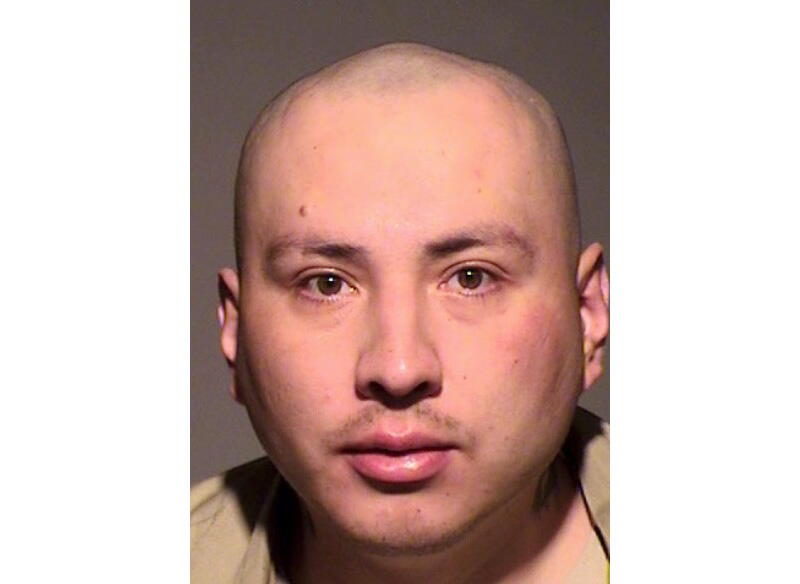
You can't just weaponize a two-ton vehicle against children and walk away. That harsh reality hit the courtroom when a Ventura County judge handed down a 27-years-to-life sentence to Samuel Rocha, cementing a legal boundary against vehicular violence that roadway advocates have demanded for years.
If you've followed the case, you know the basic facts. Rocha deliberately plowed his Lexus sedan into a group of seven teenagers riding bikes, killing 16-year-old Pedro Valdez and injuring four others before fleeing the scene. But looking past the initial headlines reveals deep questions about how the justice system treats drivers who use cars as deadly weapons.
The Anatomy of a Tragic Sentence
Samuel Rocha didn't just make a reckless mistake behind the wheel. The court established a clear pattern of intentional aggression. Prosecutors from the Ventura County District Attorney's Office laid out how Rocha used his automobile to target the young bicyclists.
The breakdown of the 27-year sentence reflects the severity of the crimes:
- 15 years to life for the second-degree murder of Pedro Valdez.
- 12 additional years covering five counts of assault with a deadly weapon and two counts of battery.
Defense attorneys tried the usual playbook, claiming intoxication and severe psychological distress. They argued Rocha didn't see the teens. The judge and jury didn't buy it. When you make the deliberate choice to drive into a pack of kids, temporary mental states don't erase accountability.
Why This Case Matters for Vulnerable Road Users
Bicycling advocates across Southern California have long argued that vehicular crimes receive lenient treatment compared to traditional armed assaults. Too often, drivers who kill cyclists walk away with minor traffic violations or short probation terms under the guise of an "accident."
This sentencing shifts the precedent. It treats a car driven with murderous intent with the exact same weight as a firearm or a knife. Pedro Valdez was just 16 years old, a kid who loved cycling so much he founded the Oxnard Fixie Crew. His life was cut short because a motorist chose rage over restraint. While no prison term brings Pedro back, holding drivers fully accountable changes the risk calculus for dangerous behavior on public asphalt.
What Needs to Change Next
Getting a conviction after the fact feels like a hollow victory if we don't address why these tragedies happen in the first place. Roadway safety requires structural changes, not just harsh retroactive penalties.
- Re-evaluate Infrastructure: Cities must build physical barriers separating heavy vehicle traffic from vulnerable cyclists and pedestrians. Painted lines on asphalt do nothing against an erratic driver.
- Strict Prosecution: District attorneys must stop defaulting to minor vehicular manslaughter charges when clear evidence of targeted aggression or extreme recklessness exists. Second-degree murder charges should be standard when drivers use cars as weapons.
- Community Resilience: Support local groups like the Oxnard Fixie Crew. Keeping young riders safe means fostering spaces where cycling culture thrives without fear of hostility from motorists.
Roadways belong to everyone, not just those encased in steel frames. Until courts consistently hand down maximum sentences for vehicular violence, cyclists will remain on the front lines of an uneven war.