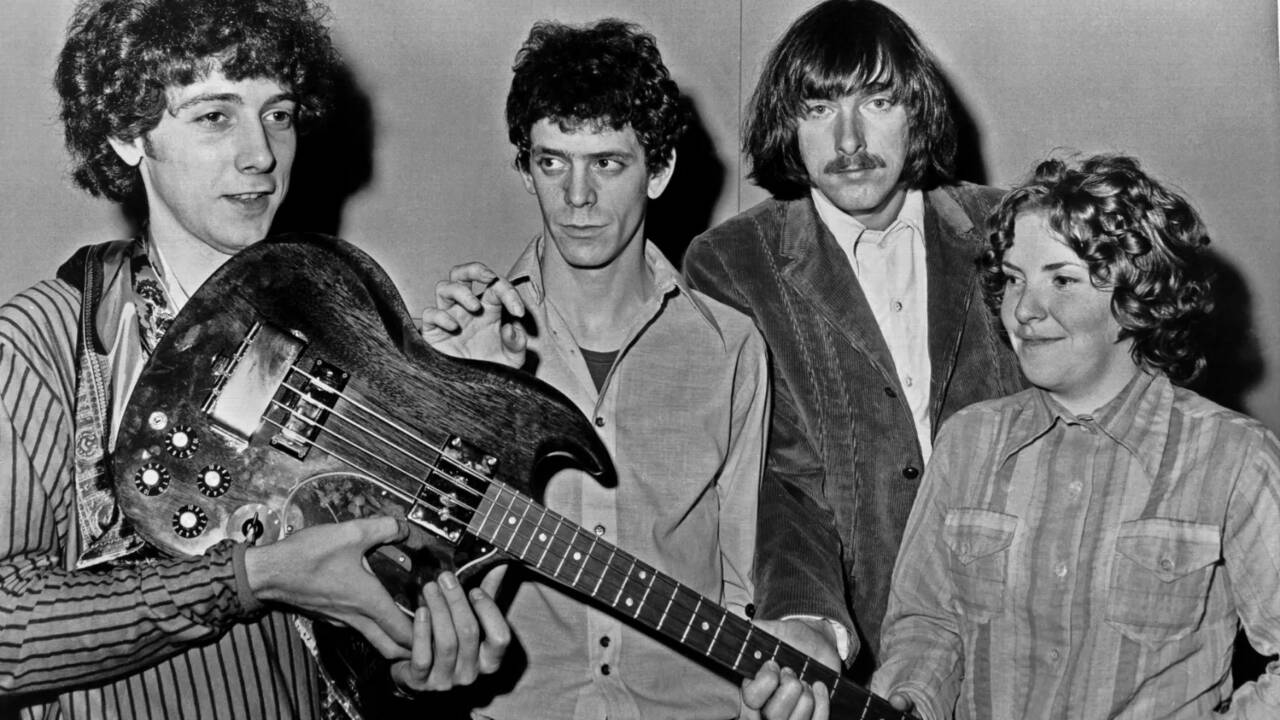
Most people assume thrift store gold is a myth. You hear urban legends about rare paintings hiding in charity shops or first-edition books sitting in dusty boxes, but you rarely expect it to happen with a piece of molded plastic. Yet back in 2002, a record collector walked through a New York street sale and grabbed a random vinyl disc for seventy-five cents. He didn't know what he was holding. That cheap purchase turned out to be one of only two surviving copies of a legendary Velvet Underground test pressing, eventually fetching over twenty-five thousand dollars at auction.
If you are wondering how a scratched-up record found in a box of fire-damaged junk could command that kind of money, you need to understand what an acetate actually is. It is not a standard vinyl record pressed from a metal stamper. Acetates are soft, fragile lacquer discs cut in real-time by a lathe. Recording engineers used them as immediate playback references before committing to mass production. They sound incredible for a few plays, and then they wear down. Most of them were thrown in the trash back in the sixties.
The Andy Warhol Connection And The Secret Scepter Sessions
The story of this specific recording goes back to April 1966. The Velvet Underground had already teamed up with Andy Warhol, who acted as their manager and overall conceptual mastermind. Warhol knew mainstream music executives wouldn't touch the band's abrasive, avant-garde sound. They were too loud, too dark, and entirely outside the commercial pop formula of the mid-sixties.
Warhol bypassed the traditional label meetings and funded an after-hours session at Scepter Studios in Manhattan. Engineer Norman Dolph recorded the group straight to a master acetate. According to music lore, Dolph didn't even charge a standard cash fee for his time. He reportedly took an original painting by Warhol as payment instead.
With the recording done, Warhol took the acetate straight to major gatekeepers. Columbia, Atlantic, and Elektra all passed on the music, calling it unlistenable noise. Verve Records finally took a gamble on the project, leading to the release of The Velvet Underground & Nico in 1967 with its famous banana artwork. The original Scepter studio acetate was left behind, largely forgotten by everyone except the few people who worked on it. Only two copies of that early session are known to exist today. Drummer Maureen Tucker holds one, and the flea market copy became the other.
Why The Flea Market Buyer Refused To Play It
Warren Hill bought the acetate in 2002 alongside a pile of generic estate-sale LPs. When he realized what he had found, he tried to cash in. He put the record up on eBay, where bidding crossed one hundred and fifty thousand dollars before the winning buyer backed out. He re-listed it through a more formal auction house, eventually letting it go for twenty-five,200 dollars.
The anonymous buyer who picked up the tab made a very specific choice. He never put a needle on it. Not once.
Collectors know that playing an acetate even twenty or thirty times can ruin the lacquer groove permanently. The new owner treated the purchase strictly as an investment in rock history rather than a listening copy. He locked it away in a safe, leaving the music to remain a ghost until archival releases finally brought those early mixes to the public years later.
What Record Collecting Actually Teaches You
People look at stories like this and start scouring every garage sale within driving distance, hoping to stumble onto a hidden fortune. Honestly, that is a waste of time. The odds of finding a surviving Velvet Underground acetate in a dollar bin are roughly the same as winning the lottery twice.
Real digging requires actual knowledge. You have to understand matrix numbers, dead-wax etchings, test pressings, and regional label variations. Most records in thrift store bins are worthless copies of common albums that nobody wants to listen to anymore.
If you want to hunt for rare vinyl, stop looking for pop culture holy grails. Focus instead on local independent pressings, private-label folk records from the nineteen-seventies, or limited-run punk seven-inches from obscure local bands. Those fly under the radar far more often than major rock icons ever will.
Do your research before you buy. Learn to spot a lacquer acetate from a standard injection-molded LP by checking the weight and the center core. Pay attention to handwritten runout grooves. If you spot something unusual, verify it before listing it online. Luck favors people who know what they are looking at when opportunity shows up in a cardboard box.