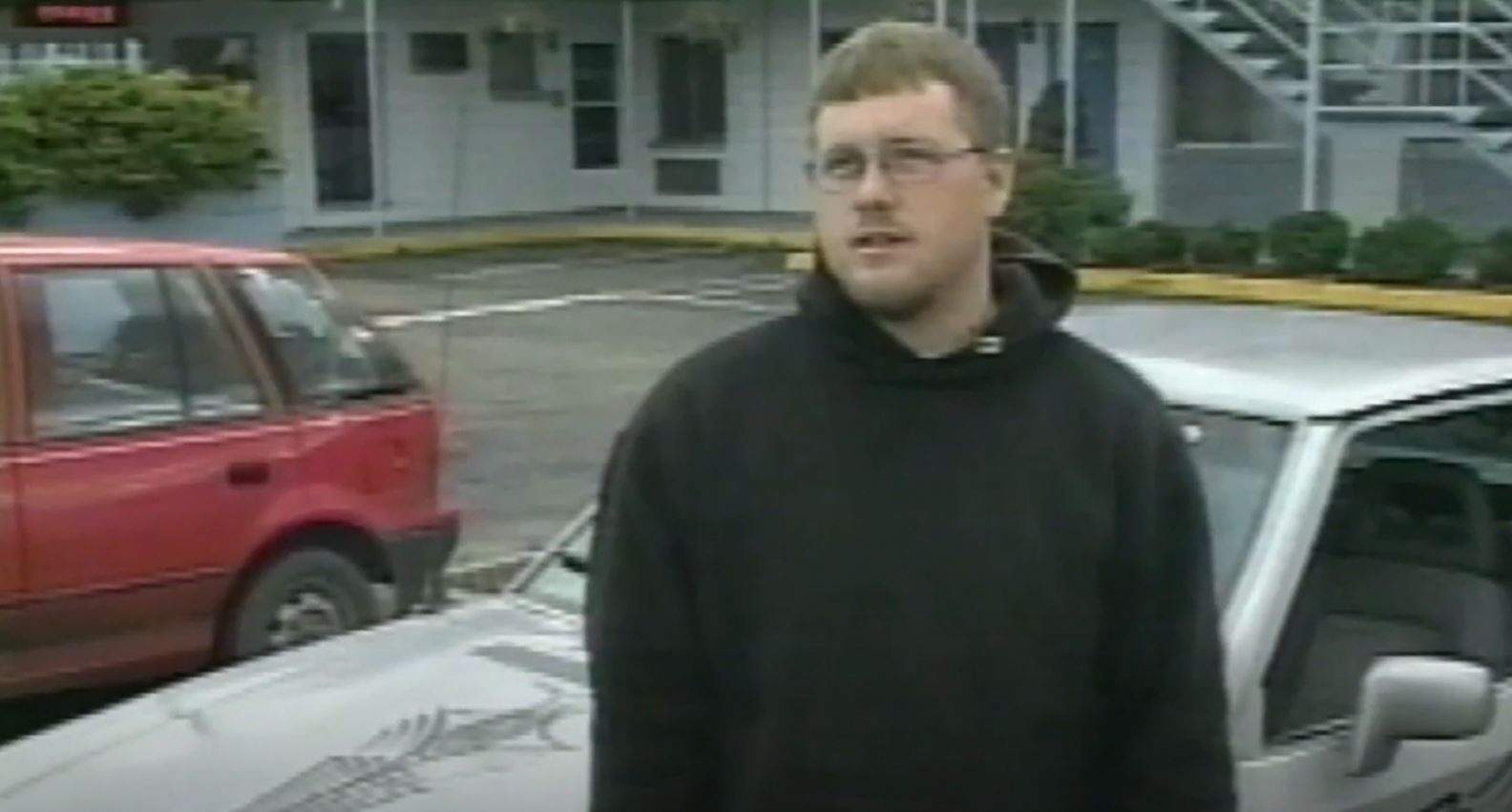
Twenty-six years ago, ten-year-old Heather Thomas rode her bicycle outside her family's townhouse complex in Cloverdale and never came back. Her killer, Shane Ertmoed, was handed a life sentence for a crime that haunts British Columbia to this day. Now, a decision by corrections officials to grant him an unescorted temporary absence has ignited a political firestorm and forced families of victims to fight the system all over again.
When news broke that Ertmoed was granted a sixty-day unescorted temporary leave from a Vancouver Island prison to take cooking classes, outrage boiled over. Even though that specific plan faced delays, the fact that it was approved in the first place tells you everything you need to know about systemic disconnects in Canada's correctional framework. Just last year, the Parole Board denied him day parole because he still posed a risk of serious harm to others. If a violent offender remains a threat, how does a temporary release make any sense?
The Political Battle Over Parole Laws
Victims' advocates and federal politicians are stepping up because they're tired of hearing the same tired excuse from Ottawa. Whenever questionable prison decisions hit the headlines, the government shrugs and hides behind the independence of the Parole Board.
Conservative MP Frank Caputo met recently with Heather Thomas's mother, Jody Aspin, and their legal counsel to push back against this bureaucratic deflection. Caputo points out a glaring truth that many politicians ignore. While the Parole Board operates independently, it makes decisions by interpreting the laws written by parliament. If the rules yield terrible outcomes, lawmakers hold the power to rewrite them.
Shifting the Burden of Proof
Right now, victims and their families carry the lifelong emotional burden of tracking parole hearings, speaking out, and fighting to keep dangerous criminals behind bars. Legal experts working with the family argue that the system has it backward.
The onus should sit squarely on the shoulders of convicted violent offenders. Instead of society having to prove why a killer shouldn't walk outside prison walls for educational programs, the perpetrator should have to prove beyond any reasonable doubt that zero risk of reoffending exists. When you snuff out a child's life, ordinary privileges vanish permanently. Cooking classes inside a community setting should rank far below public safety on any sensible priority list.
A Mother's Unending Fight
Jody Aspin has spent more than two decades carrying an unimaginable grief. Her mission since losing Heather has stayed simple and relentless. She wants to protect other children because her daughter never got that chance.
She vows to keep fighting until her last breath, knowing her family will carry the torch if needed. No grieving parent should have to police the correctional service decades after a conviction just to ensure community safety remains the priority.
Real legislative reform requires sustained public pressure. If parliament refuses to tighten the statutory loopholes governing unescorted temporary absences, cases like this will keep happening, forcing families to relive their worst nightmares over and over again. Contact your elected officials, demand accountability in correctional policies, and ensure that community safety trumps offender rehabilitation when dealing with violent child killers.