Hunger doesn't just make your stomach ache. It rewires your focus, shatters your confidence, and isolates you from the world around you.
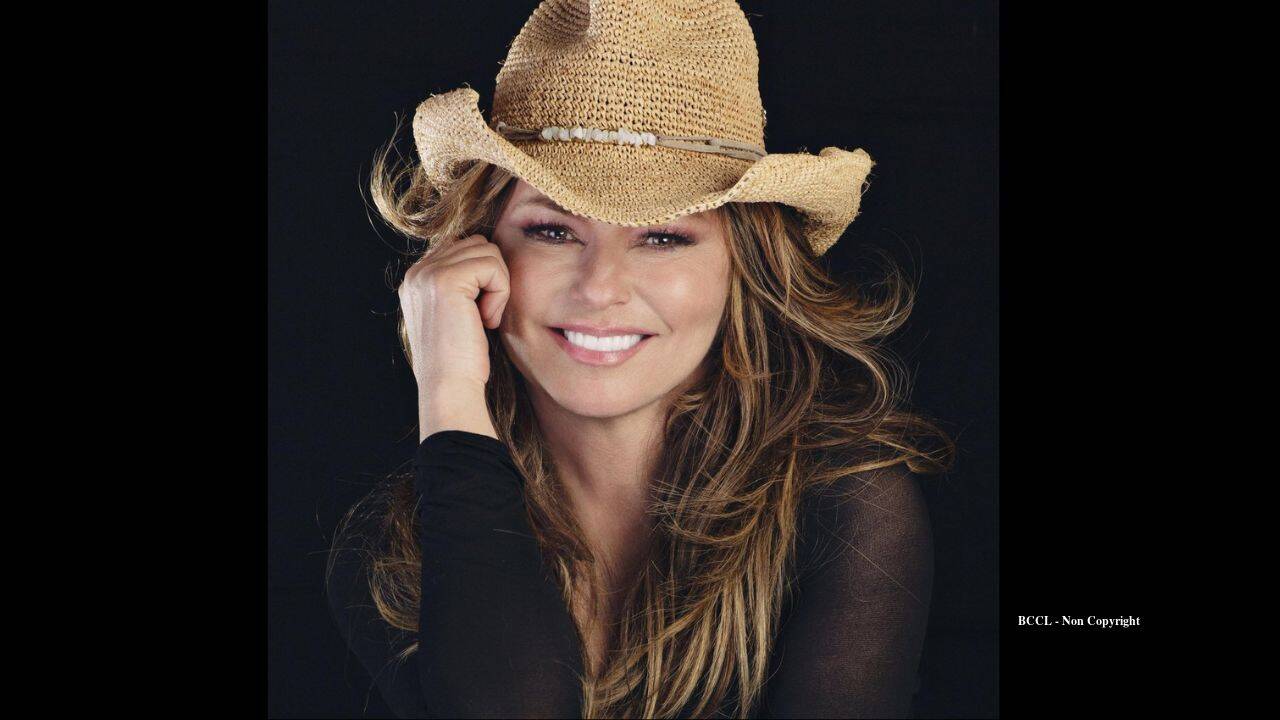
Shania Twain knows this reality intimately. Long before she sold millions of records and filled stadiums worldwide, she sat in classrooms with an empty stomach, lacking proper nutrition, clean clothes, or basic school supplies. Instead of burying that painful chapter of her past, she weaponized it to build something extraordinary.
In 2010, she launched Shania Kids Can, an initiative designed to provide school-based support systems for children facing severe poverty and food insecurity. Rather than offering distant charity, she brought the solution directly inside the hallways where kids spend their most vulnerable hours.
Why Childhood Food Insecurity Destroys Academic Potential
We often talk about education as the great equalizer, but that theory collapses the moment a hungry child walks through a school door. When your body lacks proper fuel, your brain struggles with concentration, memory retention, and emotional regulation.
Twain has spoken candidly about how going to school hungry stripped away her energy and enthusiasm. Worse yet, the visible markers of poverty—mismatched or worn clothing, unbrushed hair, or missing lunch boxes—create an invisible wall between struggling students and their peers. Kids notice everything, and the shame associated with financial instability can cause children to withdraw entirely. Some even skip school or forge absence notes just to escape the daily humiliation.
Traditional charity programs often fail because they require families to navigate complex bureaucratic systems outside of school. Shania Kids Can bypassed that friction entirely by embedding support right into the school day.
The Clubhouse Model That Changes the Game
One of the most effective implementations of Twain's vision came to life in 2013 at Martin Luther King Jr. Elementary School in North Las Vegas, developed through a partnership with Communities In Schools of Southern Nevada.
Instead of a temporary handout, the program established a dedicated physical space known as the Shania Kids Can Clubhouse. This isn't a holding room or a detention hall. It's a safe, structured environment where trained leaders offer wrap-around support.
Students walking into the clubhouse receive:
- Reliable access to food and nutritional supplies
- One-on-one academic guidance and mentoring
- Social and emotional learning activities
- A judgment-free zone to decompress from home instability
When you meet a child's basic survival needs first, their entire demeanor shifts. They stop worrying about their next meal and start participating in class. They build trust with adults who listen without judging.
Moving Beyond Material Aid Into Mental Well-Being
Poverty is rarely just about empty cupboards. It carries an immense psychological toll that manifests as anxiety, anger, depression, and social isolation.
The foundation recognizes that academic success is impossible if a child's mental health is fracturing under the weight of chronic stress. By integrating emotional support with physical nourishment, the organization helps students build resilience. The goal isn't just to feed a student for a day, but to help them develop a positive self-image that survives external hardships.
What started as a focused Canadian initiative has since expanded under the umbrella of the Shania Twain Foundation, partnering with organizations across North America to scale these proven support systems.
What We Can Learn From This Approach
Real change doesn't come from corporate press releases or detached philanthropy. It comes from people who understand the exact texture of a problem because they lived through it.
If you want to support vulnerable children in your own community, stop waiting for systemic overhauls. Look at local schools, support breakfast programs, fund snack pantries, and back initiatives that put physical resources directly where kids spend their days.
Support students where they are, feed them before you test them, and make sure they have a safe place to land when the rest of their world feels unstable.