Another day, another massive flood, another dry tap. If you live in Hong Kong's Eastern District, waking up to news of a burst water main is becoming an all-too-familiar drill. When an 18-inch fresh water pipe ruptured along Shau Kei Wan Road recently, more than 10,000 households found themselves high and dry within minutes. Muddy torrents surged across westbound lanes, splashing building facades, halting traffic, and even shattering windows at a local elderly care home that left an octogenarian resident injured.
It is the second time in just a few months that a major pipeline failure has paralyzed this exact neighborhood. Back in July, a similar rupture left thousands scrambling for bottled water and lining up in the rain for emergency wagons over a punishing 24-hour stretch. People are angry. And honestly, they have every right to be. Infrastructure in one of the world's most advanced financial hubs shouldn't fail this often.
The Anatomy of a Shau Kei Wan Pipe Burst
What actually went wrong on Shau Kei Wan Road? According to initial statements from the Water Supplies Department and the Highways Department, the chaos started at around 10:30 AM right at a roadside construction site near number 318. An excavator was operating on routine pavement maintenance when the underground fresh water main gave way, leaving a jagged crack measuring over a meter long.
Officials were quick to point fingers at external forces rather than baseline structural decay, noting that the pipe had been in service for roughly three decades. Contractors supposedly conducted utility detection and reviewed pipeline schematics beforehand. Yet, theories about paperwork matching reality versus what is actually buried beneath decades of asphalt and utility crowding remain up for debate. When heavy machinery meets aging municipal arteries in cramped urban corridors, things break.
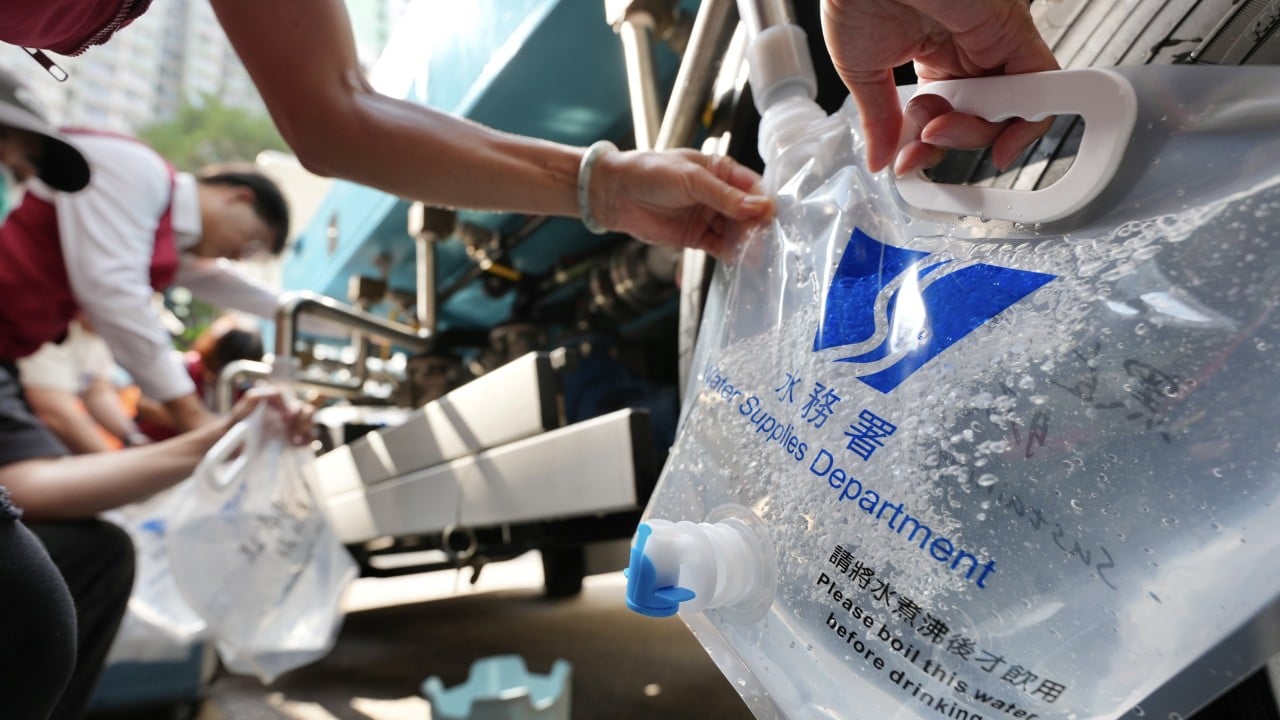
The human toll was immediate. Sai Wan Ho, Shau Kei Wan, Aldrich Bay, and the stretch toward A Kung Ngam Road saw supplies completely severed. Schools, restaurants, and residential towers had to pivot instantly. Authorities scrambled to deploy over 10 wagons, set up 100 temporary water tanks, and hand out 10,000 bottles of drinking water. But standing in line with empty jugs while traffic crawls past a flooded intersection is a poor substitute for turning on a kitchen tap.
Why Hong Kong Infrastructure Keeps Straining Under Pressure
Let's talk about the elephant in the room. Hong Kong's underground network is a complex web of electricity cables, telecom lines, sewage pipes, and water mains packed tightly beneath dense concrete. It is a marvel of urban engineering, but it is also aging rapidly.
Experts and district councilors have repeatedly warned that high population density combined with decades-old utility lines creates a ticking clock. Every time roadworks kick off to upgrade district aesthetics or repair tram lines, contractors are walking through an invisible minefield. Utility maps aren't always precise, and ground subsidence or vibrations from heavy traffic weaken pipe walls long before an excavator bucket touches them.
When a fresh water main bursts, the immediate problem isn't just a lack of drinking water. It is the cascading chaos. Traffic grinds to a halt as roads turn into impromptu rivers. Businesses lose a full day of revenue. Vulnerable residents in care homes face sudden hazards. Fixing a broken pipe by midnight is commendable emergency triage, but it treats the symptom, not the disease.
What Needs to Change Right Now
Band-Aid fixes and rushed overnight repairs won't stop this from happening a third time in Shau Kei Wan. If the government wants to restore public trust, a few concrete steps are overdue:
- Advanced Non-Destructive Testing: Stop relying solely on legacy blueprints. Contractors must use advanced ground-penetrating radar and acoustic sensors to map exact pipe coordinates before a single drill touches the asphalt.
- Proactive Replacement Schedules: Waiting for a pipe to crack because it has "only" been in service for 30 years is a flawed gamble. High-risk arterial mains in congested districts need systematic replacement before failure forces an emergency shutdown.
- Stricter Accountability: If external forces or contractor error cause a critical utility failure impacting 10,000 homes, the penalties must sting enough to drive absolute precision on every job site.
Until these measures become standard practice, residents across Eastern District will keep keeping spare buckets filled just in case. Infrastructure should work quietly in the background, not make daily headlines.