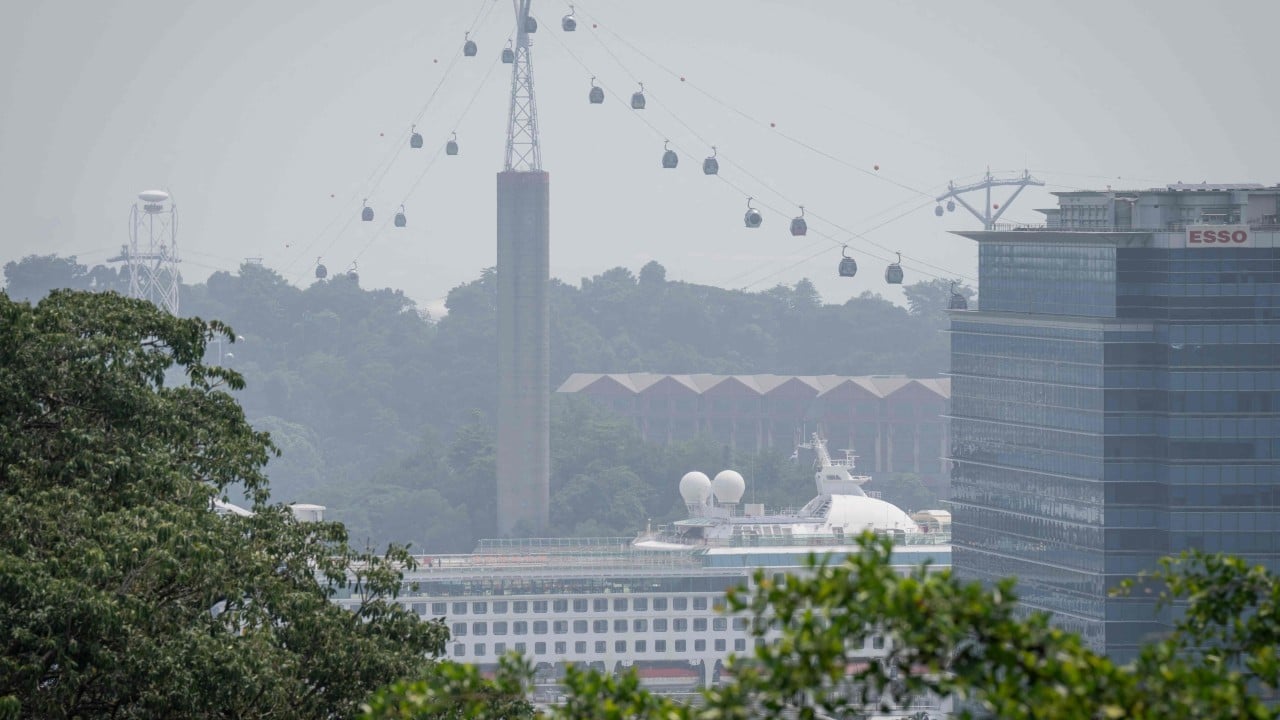
Thick, yellow air choking Southeast Asian cities isn't just a weather glitch. It's an annual man-made disaster driven by forest clearing, stubborn peatland fires, and prolonged dry seasons intensified by El Nino patterns. For decades, the toxic smog has drifted across borders, turning clear skies into hazard zones and sparking fierce diplomatic friction between neighbours.
Now, Singapore is preparing to take the Association of Southeast Asian Nations (ASEAN) chairmanship, and the city-state is pushing a definitive structural response. Instead of swapping angry diplomatic notes or waiting for the wind to change, Singapore plans to help establish the ASEAN Coordinating Centre for Transboundary Haze Pollution Control (ACCTHPC) based right in Indonesia.
Breaking Down the Haze Control Hub
If you look past the standard diplomatic handshakes, this proposed centre attempts to solve a very specific logistical failure. Historically, when land fires flare up across Sumatra or Kalimantan, regional collaboration often stalls due to delayed coordination, territorial sensitivities, and a lack of real-time data sharing.
The new facility aims to streamline operational responses. According to statements delivered in Singapore's parliament by Minister for Sustainability and the Environment Grace Fu, the centre will coordinate the management of land and forest fires before smoke blankets the region.
However, getting the facility off the ground requires navigating strict institutional hurdles. The agreement to establish the centre only comes into legal effect after at least six ASEAN member states ratify the pact. Singapore has signaled it is ready to complete its ratification process, but regional buy-in remains the ultimate test of the bloc's unity.
Direct Action Versus Diplomatic Friction
Transboundary haze has always been a sensitive political hot potato. When thick smog spikes across the region, public frustration boils over, and citizens demand immediate accountability. Indonesia has occasionally pushed back against what it perceives as lectures from neighbours, pointing out that domestic authorities are already deploying thousands of personnel, setting up localized oxygen breathing stations, and cracking down on rogue operators.
Singapore’s strategy as upcoming ASEAN chair balances operational support with regional enforcement. When preventive measures fail, Singapore stands ready to assist Indonesia with on-the-ground firefighting support and operational resources for cloud seeding.
Beyond emergency response, the real battle is structural. Tackling the root causes means enforcing stricter regulations on sustainable land and peatland management, cracking down on corporate entities responsible for illegal crop burning, and navigating complex agricultural supply chains involving palm oil smallholders.
What Comes Next for Southeast Asia
Setting up a physical coordination hub in Indonesia is a solid step, but paper agreements won't put out forest fires. The true measure of success will depend on whether ASEAN members can transcend traditional diplomatic niceties and hold cross-border corporations legally accountable for environmental damage.
If you live in the region, expect tighter monitoring, more intense bilateral negotiations, and increased pressure on agricultural firms as the 2027 ASEAN leadership transition approaches. The air quality you breathe next dry season depends entirely on whether this new centre becomes an active operational command or just another bureaucratic office.