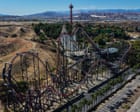
You strap into a seat, your legs dangle over open air, and within seconds, you are hurtling down a 200-foot drop at 76 miles per hour while your entire chair spins 360 degrees independently of the track. That was the pitch of X2 at Six Flags Magic Mountain. It was an engineering marvel, a terrifying beast, and now, it is history.
Six Flags officially pulled the plug on the legendary Valencia, California rollercoaster following a wave of severe legal actions and mounting public concern over traumatic brain injuries. When a park mascot ride goes from drawing thrill-seekers to facing lawsuits alleging catastrophic head trauma, corporate nostalgia stops paying the bills.
The Breaking Point for a Thrill Machine
X2 wasn't just another roller coaster. Opened back in 2008 as the world's first fourth-dimension coaster, it earned a fierce reputation among hardcore ride enthusiasts. It welcomed more than 16 million guests over its lifetime. But high speeds, violent whiplash, and spinning seats come with a physical cost.
Things shifted dramatically when an investigative report revealed that two riders suffered severe brain hemorrhages in July. One of those individuals, Los Angeles resident Naomi Greer-Wilkinson, remains hospitalized in a semi-conscious state. Soon after those findings broke, the legal fallout snowballed. Attorneys Gary Dordick and Christopher Bulone filed multiple civil lawsuits against Six Flags, with over 100 people coming forward claiming they sustained injuries on the ride.
Lawyers labeled the coaster "defective" and argued the park failed to give proper warnings about the intense G-forces and head trauma risks. For a company focused on bottom lines and family entertainment, keeping an asset open that generated this level of liability became impossible.
What Magic Mountain Had to Say
Park president Brian Oerding announced the permanent closure via a blog post, walking a fine line between corporate defense and damage control. He pointed out that X2 regularly passed strict safety evaluations. Even so, public confidence took a massive hit, forcing the park's hand.
When visitor trust shatters, parks move fast. You can argue technical compliance all day long, but if customers feel like a ride might hospitalize them, the game changes overnight. Magic Mountain chose to cut its losses rather than fight a multi-front PR and legal war over a single machine.
The Real Physics Problem With Extreme Coasters
We love pushing engineering limits. Designers want faster drops, more inversions, and heavier G-forces. But human anatomy doesn't upgrade every time an amusement park builds a new ride model.
Fourth-dimension coasters like X2 subject the human body to erratic, multi-axial forces. Your head and neck absorb rapid directional shifts that standard restraints cannot always buffer against. When a ride combines high lateral velocities with independent seat rotation, micro-traumas can accumulate. For most people, it's just a wicked headache. For others, it's a catastrophic brain bleed.
The closure serves as a loud wake-up call for the entire amusement industry. Parks can no longer rely purely on historical safety records when modern scrutiny uncovers systemic patterns of harm.
What This Means for Coaster Culture Going Forward
Die-hard enthusiasts are already mourning the loss of a landmark attraction. Online forums are flooded with complaints about corporate safety panic. But the reality is stark. Rides that generate triple-digit injury claims and severe neurological damage don't survive in today's litigious and safety-conscious climate.
If you are planning a trip to Magic Mountain anytime soon, expect tighter scrutiny on other aggressive rides and a heavier emphasis on pre-ride health warnings. Keep an eye out for how major parks alter their ride testing parameters over the next few years. Thrill-seeking is fun, but structural risk management is taking the driver's seat.