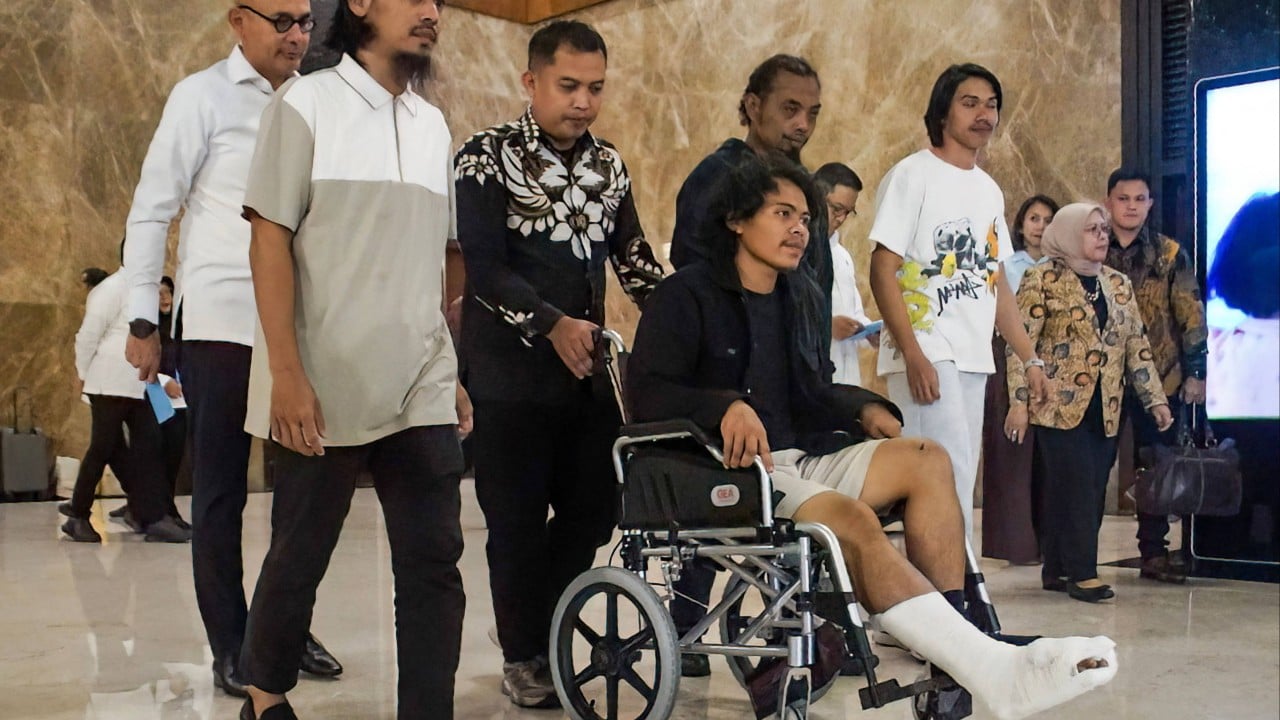
Five months of absolute silence, terrifying isolation, and relentless anxiety ended for four Indonesian seamen this week. They landed back on home soil after surviving a brutal hijacking by Somali pirates aboard the oil tanker MT Honour 25.
Piracy in the Indian Ocean isn't some relic of 2000s cinema. It's back.
The Real Cost of the MT Honour 25 Hijacking
When the Palau-flagged MT Honour 25 was seized back in April, it signaled an alarming resurgence in high-seas attacks. For years, international naval patrols kept Indian Ocean shipping lanes relatively secure. But security gaps, shifting geopolitical priorities, and stretched maritime forces have created an opening. Opportunistic criminal networks spotted it immediately.
The four Indonesian crew members spent over five months held hostage. Their ordeal highlights a grim reality facing global mariners today. When maritime security slips, ordinary workers pay with their freedom and, in far too many tragic cases, their lives.
Before authorities managed to storm the hijacked tanker and rescue the remaining crew, the operation turned deadly. Puntland police confirmed that pirates killed five crew members during the standoff—including three Pakistanis, an Indian, and a Myanmar national. These casualties mark a horrifying escalation, representing the first deaths involving Somali pirate attacks in over a decade.
Why Indian Ocean Security is Failing Seafarers
You'd think global trade routes carrying billions in oil and commodities would have foolproof protection. They don't.
Shipping companies and governments often treat crew safety as a secondary operational expense until a crisis explodes. When international naval coalitions shift focus away from the Horn of Africa, criminal gangs seize the opportunity to launch coordinated raids hundreds of miles off the coast.
The return of the four Indonesian seamen brought immense relief to their families in Tangerang and across the archipelago. Government officials met them upon arrival, promising psychological support and medical care. But emotional rehabilitation after months of captivity takes years, not days.
What Needs to Change Right Now
If the maritime industry wants to protect workers, token diplomatic statements won't cut it. Shipowners must invest in hardened vessel defenses, secure communication protocols, and rigorous crew training for high-risk zones.
Governments cannot afford to let the Indian Ocean become a lawless zone again. Protecting international trade lanes means protecting the human beings steering the vessels through them.
Check your company's high-risk transit protocols today. If you have family members working at sea, demand transparency regarding vessel security routes and emergency response plans.