You've probably heard of Korean pop music and streaming dramas. You might even own a smartphone made in Seoul. But long before global entertainment charts existed, South Korea mastered a very different kind of influence.
Take a trip to the slopes of Mount Toham in Gyeongju, and you'll find the answer. The artificial granite grotto of Seokguram isn't just a quiet relic from the eighth-century Silla kingdom. It's a masterclass in how a nation uses its deepest spiritual roots to shape its modern global identity.
Let's look past the glossy surface of modern media exports. Here is how centuries-old sacred sites quietly drive South Korea's cultural strategy today.
The Engineering Marvel Behind Seokguram
Most people assume Seokguram is a natural cavern carved out by water or tectonic shifts. It's not. Artisans built this artificial temple entirely from scratch during the eighth century, assembling hundreds of precision-cut blocks of white granite without a single drop of mortar.
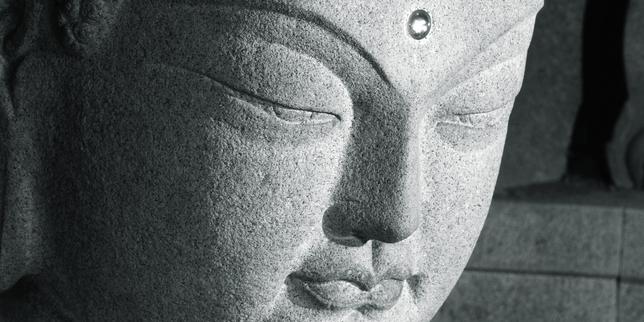
The centerpiece is a monumental seated Buddha gazing out toward the East Sea. The geometry relies on precise architectural ratios and a natural ventilation system designed to protect the stone from humidity and temperature changes over the centuries.
When the United Nations Educational, Scientific and Cultural Organization (UNESCO) inscribed Seokguram and the adjacent Bulguksa temple on its world heritage list in 1995, it cemented the site's status globally. But keeping the physical site safe while sharing it with millions of international visitors requires a delicate balancing act. You can't just let hordes of tourists crowd inside a fragile eighteenth-meter rotunda without causing severe damage to the ancient porous granite.
Heritage as a Strategic Asset
South Korea doesn't preserve its historical monuments out of mere nostalgia. Officials view ancient architecture, traditional craft, and spiritual landmarks as vital pillars of national branding.
When international exhibitions travel across major cultural capitals—such as recent showcases hosted at cultural centers in Paris—they pair physical artifacts with high-tech immersive displays, digital reconstructions, and contemporary artistic interpretations. You see traditional materials like hanji (handmade paper) and mother-of-pearl re-imagined by modern designers.
This multi-layered approach changes how foreign audiences perceive the country. It proves that national culture isn't a fleeting trend born in a television studio. It rests on a fourteen-hundred-year foundation of artistic and philosophical sophistication.
What Travelers Often Get Wrong
If you're planning a visit to Gyeongju, don't expect a quick stopover. Many tourists rush through, snap a few photos from behind the protective glass barrier of the main rotunda, and leave disappointed by the strict viewing rules.
You need context to appreciate what you're looking at. The surrounding hiking trails, the morning mist rising off Mount Toham, and the quiet rhythm of the nearby temple complex provide the true atmosphere. If you skip the historical background, it looks like just another stone statue. With proper preparation, you realize you're standing inside one of East Asia's architectural pinnacles.
Protecting these sites while projecting them outward takes money, strict conservation policies, and precise international promotion. South Korea balances this preservation effortlessly, proving that respect for historical roots and aggressive modern soft power go hand in hand.
Plan your next heritage itinerary around Gyeongju's lesser-known historical trails, or explore virtual museum archives to study the granite architecture up close before you book your flight.
This archival video offers a detailed look at the architecture and historical significance of the Seokguram Grotto and Bulguksa temple complex on Mount Toham.
http://googleusercontent.com/youtube_content/1