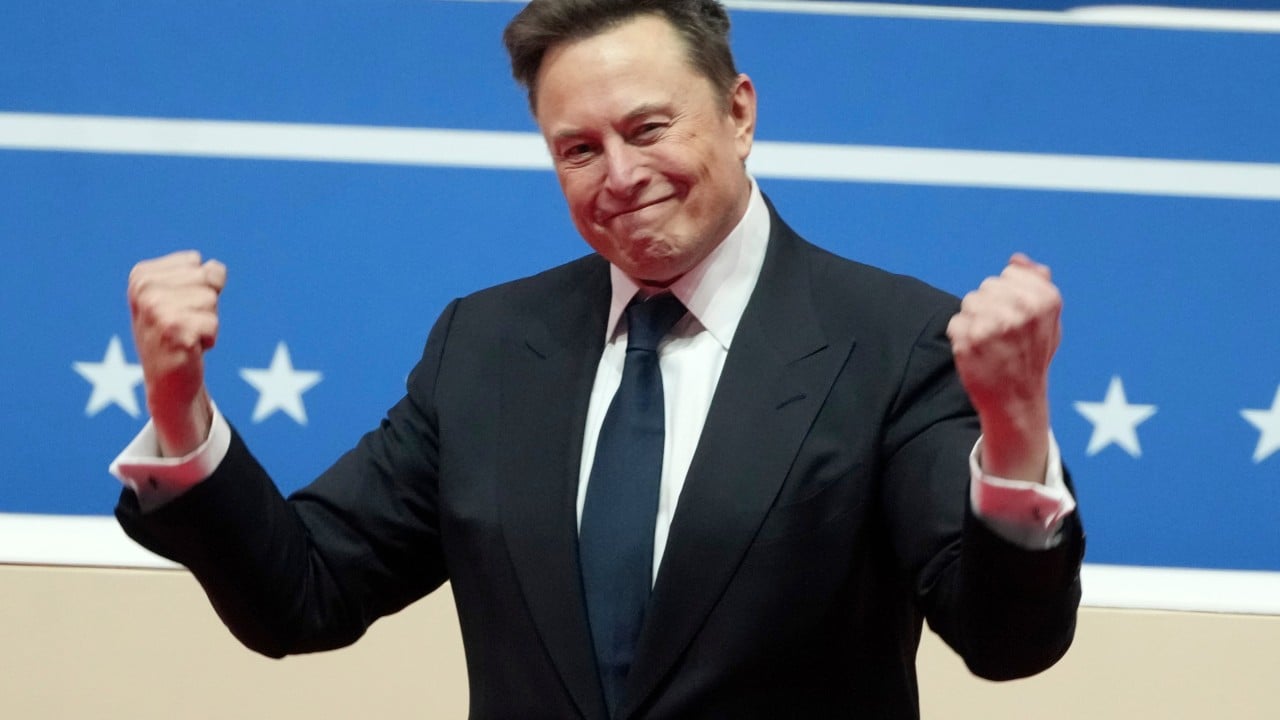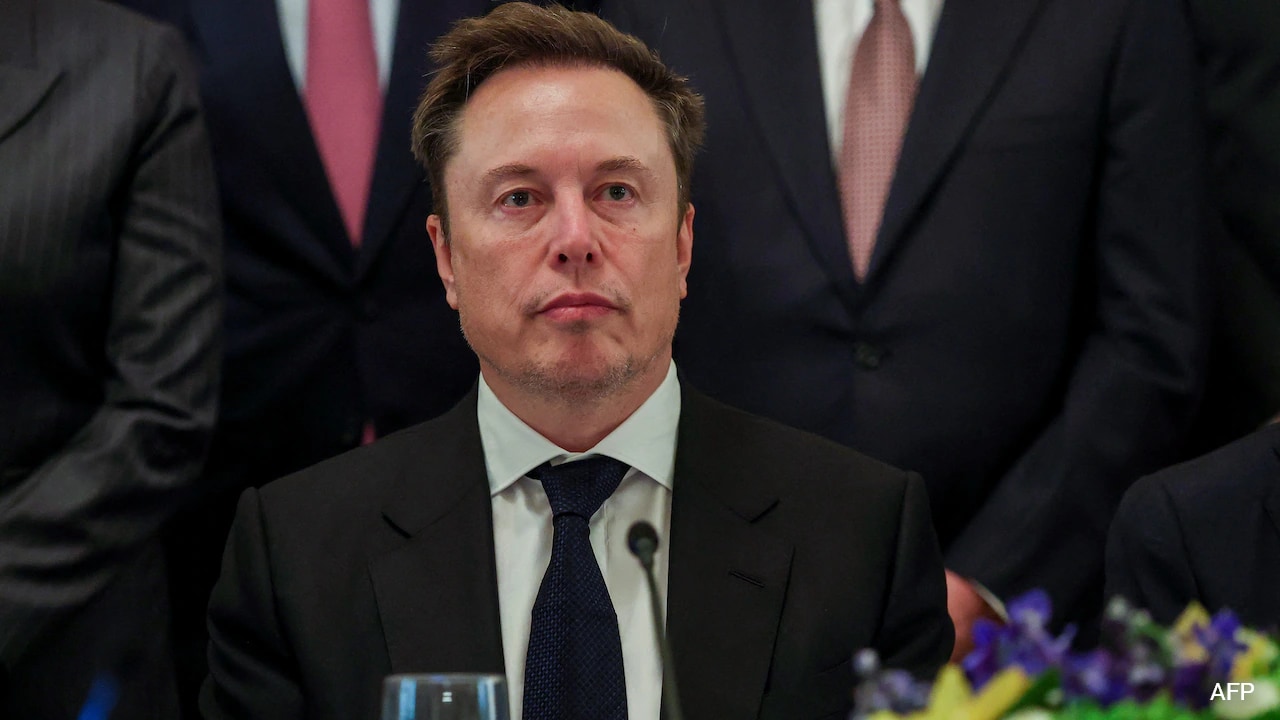
When Elon Musk confirms that special committees have formed to explore a SpaceX and Tesla merger, Wall Street stops what it's doing. We are looking at a potential corporate colossus exceeding three trillion dollars in valuation. But before you rush to reallocate your portfolio, let's look past the hype and examine what this massive corporate alignment actually means for the future of tech, cars, and space exploration.
For years, skeptics treated the idea of combining an electric vehicle pioneer with a private aerospace contractor as science fiction. The two companies operate in vastly different regulatory environments with entirely distinct business models. Tesla faces the daily grind of automotive manufacturing, consumer demand cycles, and intense global competition. SpaceX builds orbital rockets, manages satellite internet constellations, and secures multi-billion-dollar defense contracts.
Yet, the invisible lines separating these two companies have been blurring for a long time.
The Real Reason Behind the Merger Talks
Look closely at what both companies actually do today. They aren't just selling cars and launching rockets anymore. They are massive artificial intelligence and robotics operations.
Tesla builds humanoid robots, neural network chips, and sprawling autonomous driving software. SpaceX pours billions into high-performance computing power, AI infrastructure, and advanced guidance systems for orbital vehicles. When you break down the core technology, Tesla's Full Self-Driving stack and SpaceX's autonomous flight control systems share a massive amount of foundational DNA.
Musk himself pointed out that both firms harbor deep expertise in robotics, energy infrastructure, and artificial intelligence. Sharing talent, computing clusters, and hardware designs under one unified corporate roof eliminates the friction of arm's-length transactions and cross-company contracts.
Governance Hurdles and Shareholder Reality Checks
If you think this deal is happening tomorrow, you haven't been paying attention to corporate governance rules. Musk made it clear that because he holds significant stakes in both entities, he must recuse himself from the special committees evaluating the transaction.
This is not a rubber-stamp exercise. Tesla's shareholder base includes millions of retail investors and institutional funds who will scrutinize the exchange ratio with extreme prejudice. Tesla shares have faced turbulent market conditions, while SpaceX has traded publicly following its notable market debut. Valuing a private-turned-public aerospace titan against an established EV manufacturer creates a complex financial puzzle.
Furthermore, Tesla requires approval from fifty percent of all shareholders, not just the ones who bother to vote. That is a notoriously high barrier to clear. If institutional investors feel shortchanged by the valuation terms, they will vote it down without hesitation.
What This Means For the Industry
A unified mega-corporation changes the competitive landscape overnight. Imagine a company that controls consumer automotive data, global satellite internet via Starlink, heavy-lift rocket manufacturing, and advanced energy storage systems.
Competitors in traditional automotive sectors and legacy aerospace cannot match that level of vertical integration. Traditional carmakers struggle to build software-defined vehicles, while aerospace firms struggle with rapid manufacturing iteration. Combining Tesla's volume production mindset with SpaceX's engineering velocity creates a powerhouse that operates on an entirely different timeline than standard industry rivals.
How to Position Yourself Now
Don't buy into the social media frenzy or panic sell based on headline noise. Mergers of this scale take months of negotiation, regulatory reviews, and shareholder votes.
Keep your focus on the fundamental execution of each business. Watch for the official reports from the special committees detailing the financial terms, asset valuations, and exact exchange ratios. Until those numbers land on the table, treat the rumors as what they are—an intriguing preview of a potential corporate shift. Evaluate each stock on its own standalone merits, monitor the quarterly delivery numbers, and wait for concrete governance milestones before making any major portfolio moves.