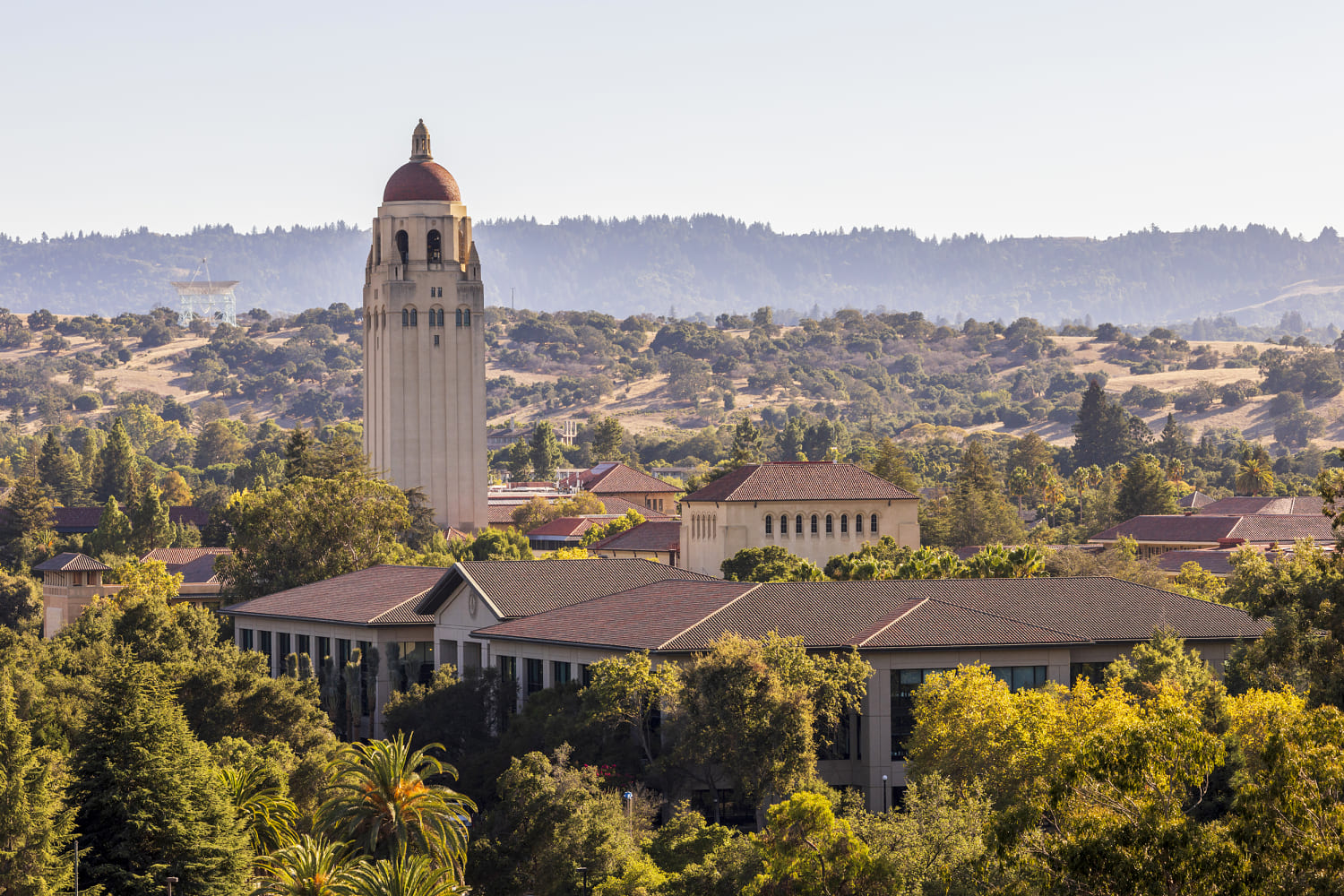
Universities love selling an illusion of diversity. Sometimes, they get caught red-handed trying to manufacture it with software.
Stanford University recently issued an apology after a promotional graphic used artificial intelligence to fundamentally rewrite reality. An official image from a residential dining unit took an authentic group photo from a 2024 Lunar New Year dinner, ran it through a generator, and spat out a version where a Hispanic male student was completely replaced by an AI-generated Black female student. On top of that identity swap, the software slimmed down the facial features of the other students and slapped official Stanford merch onto their clothes.
Billy Ramirez, the student erased from his own memory, pointed out the obvious absurdity. You cannot preach inclusivity while digitally wiping real minority students off your banners.
The Policy Breach Nobody Saw Coming
Stanford claims its institutional rules are strict. According to university public relations, using artificial intelligence to produce or alter images of students, events, or campus facilities is explicitly banned. Yet, an internal department managed to push out a graphic that broke every rule in the handbook.
Why does this happen? Simple laziness mixed with tone-deaf marketing.
Marketing teams want a specific visual checklist for brochures and housing banners. When real photos do not match their exact demographic quotas, bad actors reach for generative tools instead of taking new pictures. It's an operational failure. It turns real people into disposable stock assets.
The Broader Context of Declining Enrollment
This administrative blunder didn't happen in a vacuum. It lands squarely on the heels of shifting demographic numbers across elite campuses.
Following the Supreme Court decision to end affirmative action in mid-2023, universities have watched minority enrollment numbers dip. At Stanford, numbers for Hispanic and Black undergraduates dropped noticeably in recent incoming classes.
When institutions feel the heat of declining actual diversity, the temptation to fake it digitally skyrockets. Ramirez nailed the hypocrisy when he noted that the university wants the aesthetic of a diverse community without doing the hard institutional work to build one.
Why Institutional AI Policies Fail
Every major institution now drafts lofty guidelines about artificial intelligence ethics. They sound great on paper. They are completely useless in practice because mid-level departments rarely read them, let alone care about them.
When a housing or dining department needs a banner printed by Friday morning, nobody checks with the ethics board. They feed an existing picture into an online tool, click a button to tweak clothing and faces, and send it to the printer.
Preventing this requires actual friction in the workflow.
- Ban automated image generators from all marketing asset creation tools.
- Require written consent and identity verification from any student featured in promotional materials.
- Audit internal design agencies before campaign assets ever hit public display.
Until universities treat digital falsification as seriously as academic plagiarism, marketing departments will keep cutting corners. Real students deserve better than being photoshopped out of existence to fit a cleaner marketing narrative.
Stanford students outraged after university uses AI to alter race
This video provides an on-the-ground look at the student reactions and local news coverage surrounding the AI image alteration controversy at Stanford.
http://googleusercontent.com/youtube_content/1