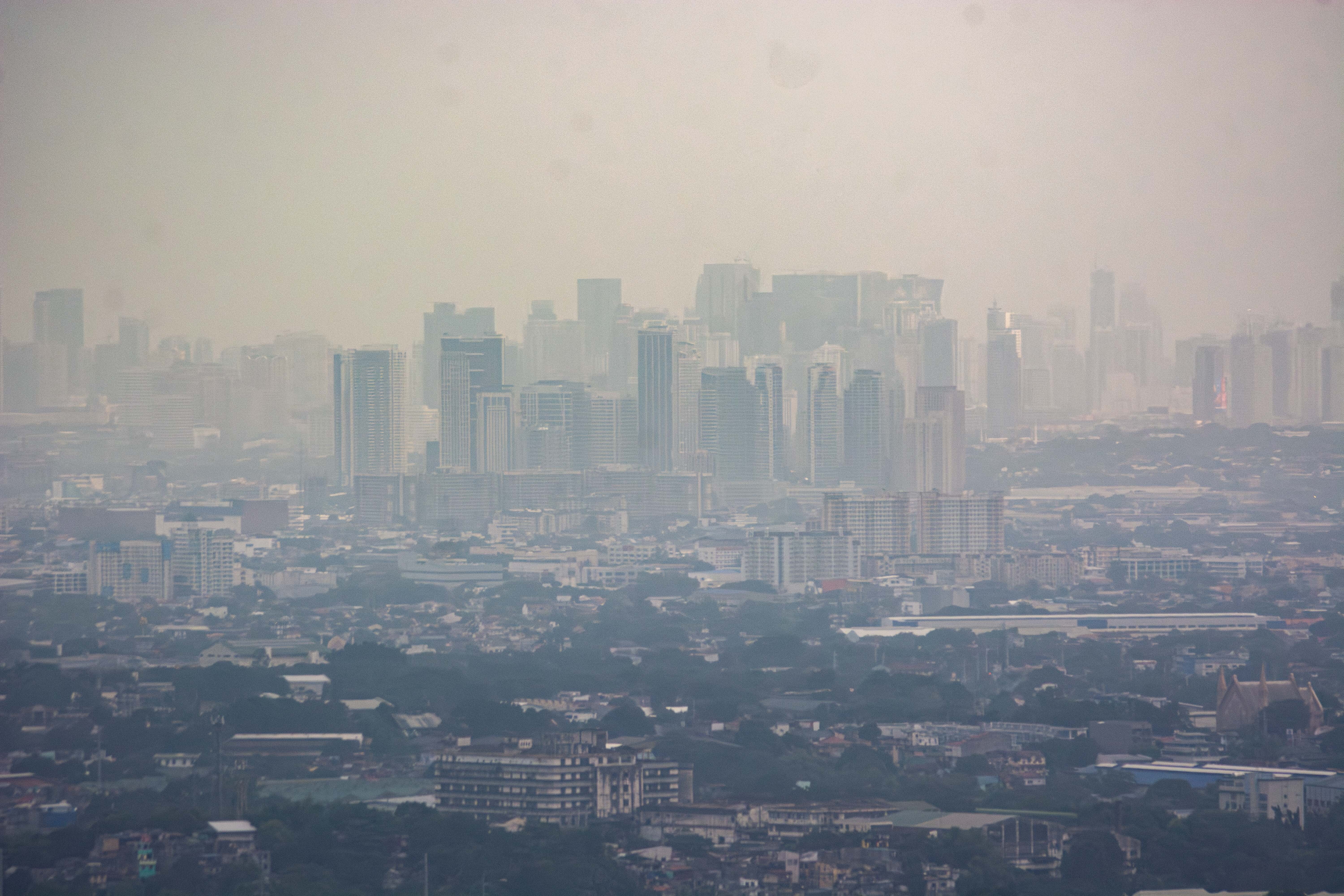
When the U.S. government pulled the plug on embassy air quality tracking, it probably looked like a line-item budget cut on paper. But it turns out that turning off those monitors had an immediate, dirty side effect. Air pollution surged.
A study published in the journal PNAS lays out the fallout. Researchers tracked what happened after the Trump administration shuttered the State Department's global monitoring initiative in March 2025, a program that had run since 2008 across more than 80 embassies and consulates. The results show that satellite-measured air pollution jumped by roughly 24% to 33% within months of the shutdown.
Transparency matters. When local factories and power plants know nobody is watching, behavior changes fast.
The Power of an Embassy Roof Monitor
For over a decade, small particulate matter monitors strapped to U.S. embassy roofs served an unexpected purpose. They weren't just there to keep American diplomats safe from smog. They functioned as an independent, highly trusted source of third-party environmental data in countries where local governments either couldn't or wouldn't measure air pollution accurately.
Cities like Beijing, Manila, and New Delhi relied on these public feeds. Citizens could check real-time air quality on Twitter or mobile apps. Activists used the data to push for policy changes, and local industries knew they were under international observation.
When the Trump administration axed the program to save money, that external auditing mechanism vanished overnight.
What the Data Showed
Zoey Yiyuan Zhou, a climate researcher at Columbia University, saw the policy shift as an accidental scientific experiment. Sudden drop-offs in environmental monitoring rarely happen on a global scale.
Zhou and her team compared satellite data across 46 cities before and after the program ended. For the 300 days leading up to the shutdown, pollution trends remained flat. But three to four months after the embassy monitors went dark, pollution levels climbed sharply.
While satellite observations don't capture ground-level reality down to the exact microgram, the team's models point to a roughly 4% increase in fine particulate matter—known as PM2.5. These microscopic particles bypass human defenses, entering the lungs and bloodstream to trigger severe respiratory and cardiovascular issues.
The worst spikes happened in Southeast Asian urban centers with few alternative monitoring systems. Cities like Manila in the Philippines, Rangoon in Myanmar, and Vientiane in Laos bore the brunt of the change.
Why Did Pollution Jump So Fast?
Cut costs on compliance, and emissions go up. It is a basic economic reality.
Without U.S. embassies acting as an impartial watchdog, local industrial polluters seized an opening. Installing and maintaining pollution control technology is expensive. If local regulators lack teeth or motivation, businesses will cut corners the second public accountability disappears.
Andrea La Nauze, an environmental economist at Deakin University who studies these programs, notes that a decade of embassy monitoring had driven measurable, sustained improvements in air quality. Pulling the plug proved that those gains weren't permanent. Accountability keeps the air clean. Remove the spotlight, and the smog returns.
There is a slight twist in the data, though. After peaking three to four months post-shutdown, pollution levels in some regions dipped back down. Researchers suspect local governments or grassroots civic groups eventually scrambled to deploy their own makeshift monitors to fill the gap. Even so, relying on ad-hoc local replacements leaves massive blind spots.
The Broader Regulatory Retreat
This embassy shutdown doesn't sit in isolation. It matches a wider policy trend. The Trump administration has aggressively targeted federal environmental constraints, including EPA rollbacks on greenhouse gas emissions from fossil fuel power plants.
Critics argue these moves treat clean air as a luxury rather than a public health necessity. While the State Department has indicated it might eventually restore public reporting of air quality data, officials haven't provided a timeline. Vague promises do nothing for the lungs of people breathing elevated particulate matter today.
Data is a shield. When you take it away, communities pay the price in smog.


