Two Iranian small boats tried to hijack a United States Navy drone in the Persian Gulf. They lost. An American aerial drone retaliated by firing missiles that obliterated both vessels near Larak Island.
If you are following the geopolitical chess match in the Middle East, this escalation shouldn't shock you. The Strait of Hormuz is a pressure cooker. Millions of barrels of crude oil pass through this narrow waterway daily, and the United States military is escorting commercial tankers directly through the hazard zone. Iranian forces testing American resolve with unmanned surface vessels is a ticking time bomb.
Here is what actually happened during the CENTCOM operation and why this maritime conflict is heading toward a dangerous boiling point.
Inside the Failed Drone Seizure
The incident unfolded late on a Monday night near the Iranian port city of Kargan. Members of the Islamic Revolutionary Guard Corps spotted a United States Navy unmanned surface vehicle operating in the area. They made a aggressive move to take possession of it.
They miscalculated.
United States Central Command spokesperson Captain Tim Hawkins confirmed that Iranian small boats attempted to seize the drone. It did not work. CENTCOM responded with immediate, kinetic force. An American aerial drone tracked the watercraft, dropped two missiles, and wiped them out.
Local Iranian media and officials in Hormozgan province claimed the targeted craft were simple fishing boats and reported several local fishermen missing following the strike. Tehran immediately blamed the United States military for the casualties.
Washington sees it differently. The drone stayed under American control, but the strike signals a major shift in how the US Navy handles harassment in the Persian Gulf.
Protecting the Oil Chokepoint
Why are American forces heavily patrolling this specific sector? It comes down to global energy supply lines.
Roughly 14 million barrels of crude oil move through the Strait of Hormuz every single day. Add in liquefied natural gas and LPG tankers, and you have a massive economic artery that global markets rely on. If Iran shuts it down, energy prices spike globally.
Because of this risk, US naval operations in the region changed drastically. Military engineers cleared wider paths through central shipping lanes. US warships now escort commercial tankers during daylight hours. Roughly 40 commercial vessels rely on this direct military protection daily to navigate safely.
When you inject armed Iranian Revolutionary Guard speedboats into a crowded corridor filled with guarded oil tankers, a clash is practically guaranteed.
Diplomatic Dead Ends and Mixed Signals
The military strike didn't happen in a vacuum. It landed right in the middle of a bitter diplomatic standoff between Washington and Tehran.
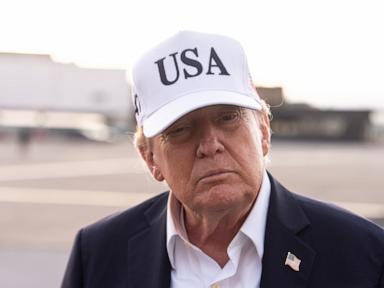
US President Donald Trump signaled a willingness to talk, stating he remained open to discussions with Iranian leadership. Tehran didn't bite. Mohsen Rezaei, Secretary of Iran's Supreme National Security Council, publicly rejected the overtures. He warned officials not to fall for mixed messages coming out of the American administration.
Iran's position remains rigid. They want substantial war reparations and the complete removal of US sanctions before they entertain any permanent ceasefire or lifting of the blockade in the strait.
Meanwhile, military drills and direct kinetic strikes dictate the terms on the water.
What Comes Next in the Gulf
Expect more friction. As long as the US Navy keeps heavily escorting commercial shipping lanes through Iran's backyard, minor skirmishes will escalate into major firefights. Unmanned drones are becoming the primary tool for maritime surveillance, making them prime targets for Iranian forces trying to push back against American presence.
If you trade or invest in global energy markets, keep a close eye on CENTCOM updates out of the Persian Gulf. A single miscalculation on the water could turn a regional standoff into an open conflict.