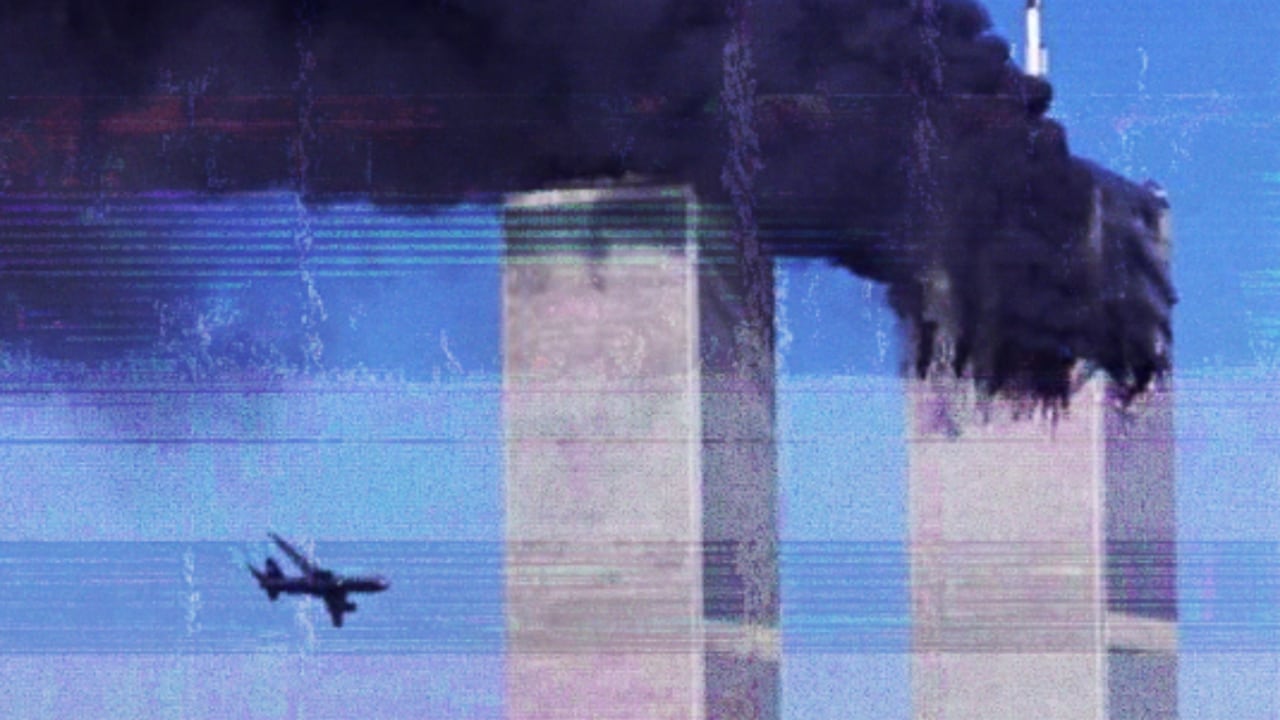
Panic doesn't just rewrite history; it rewrites the rules of basic human rights. When the world changed on September 11, 2001, the American legal apparatus scrambled to find villains, and anyone who fit a convenient profile became an immediate target.
Take the case of Mohammed Jaweed Azmath and Ayub Ali Khan (whose real name was later documented as Syed Gul Mohammed Shah). These two Indian men were simply trying to cross the United States when an ordinary train trip morphed into a fourteen-month nightmare inside maximum-security isolation. If you think the justice system always protects the innocent during a crisis, their story exposes a much darker reality. If you found value in this article, you should check out: this related article.
The Journey That Went Wrong
Azmath and Khan were roommates in Jersey City, working hard to manage local newsstands. On the morning of September 11, they boarded a flight out of Newark bound for San Antonio. Like thousands of other travelers that morning, their plans shattered when the Federal Aviation Administration grounded all commercial aircraft.
Stuck in St. Louis with flights canceled indefinitely, they did what any rational travelers would do: they booked an Amtrak train to finish their journey to Texas. They had no idea that mere transit would soon make them central figures in the largest terror dragnet in modern history. For another look on this event, check out the latest update from Al Jazeera.
On September 12 or 13, near Fort Worth, Texas, law enforcement pulled them off the train during a routine check. Officers noticed they looked nervous—an entirely unsurprising reaction for anyone processing the national tragedy unfolding across television screens. A search yielded $5,500 in cash, two box-cutter style utility knives, hair dye, photocopies of a passport showing different facial hair styles, and some Arabic-language letters.
To investigators drowning in panic and pressure after the twin towers fell, these items looked like a smoking gun. They were arrested immediately. Days later, FBI agents raided their modest Jersey City apartment in a top-to-bottom sweep.
How the Material Witness Law Was Weaponized
What happened next wasn't just a mistake; it was a systemic failure fueled by newly minted emergency powers. Just weeks after their arrest, President George W. Bush signed the USA PATRIOT Act into law. This legislation dramatically expanded government detention powers and breathed new life into an obscure legal mechanism known as the material witness statute.
Originally, the material witness law was meant to hold people briefly to secure testimony if authorities feared they might flee before a trial. Post-9/11, the Department of Justice weaponized it differently. According to the American Civil Liberties Union, authorities used the statute to lock up scores of Arab and South Asian men indefinitely. Many of these detainees were never actually brought before a court to testify against anyone.
Azmath and Khan fell straight into this legal black hole. They weren't charged with a specific terrorism crime. Instead, they were held as material witnesses, giving the government broad authority to keep them locked away while investigators tried to figure out if they actually knew anything useful.
They were sent straight to the Metropolitan Detention Center in Brooklyn. The conditions inside were brutal, defined by harsh isolation, aggressive interrogations, and the constant psychological toll of being trapped by a government that refused to let them go or charge them.
Lessons From a Post-9/11 Blind Spot
The ordeal of these two Indian nationals highlights a permanent flaw in how emergency security measures operate. When fear dictates policy, due process gets sidelined. Innocent people become collateral damage in a frantic search for absolute safety.
If you're studying legal history or civil liberties, remember that safeguards exist precisely for moments of national panic. When those safeguards disappear, justice usually disappears right along with them.
Look closely at how emergency laws scale up during crises. Accountability doesn't happen automatically; it requires constant vigilance from legal watchdogs, civil rights advocates, and an independent judiciary willing to push back against executive overreach.
Don't assume institutions are immune to panic. Protect your rights by understanding how easily they can be suspended when fear takes the wheel.