Seating charts usually cause minor headaches at weddings or corporate dinners. Right now, a chair arrangement has triggered an intense diplomatic crisis between Taiwan, Japan, and the city of Nagasaki.
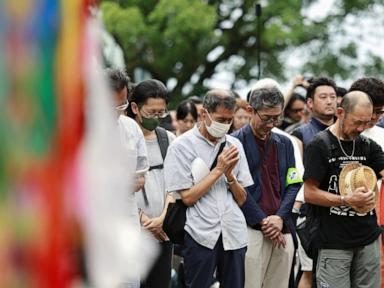
Lee Yi-yang, Taiwan's top economic representative in Japan, refused to attend the 81st anniversary of the Nagasaki atomic bombing. He didn't just stay home because of a scheduling conflict. He boycotted the event. Why? Because Nagasaki city officials placed his delegation in the section designated for international non-governmental organizations rather than the diplomatic zone reserved for official foreign representatives and embassies.
It’s a bold move that highlights just how fragile diplomatic protocols are in East Asia. When local municipal decisions collide with massive geopolitical rivalries, trivial seating arrangements quickly transform into tests of national dignity.
The Contrast Between Hiroshima and Nagasaki
To understand why Taipei is so furious, you have to look at what happened just days prior. At the Hiroshima Peace Memorial Ceremony marking its own atomic bombing anniversary, Taiwanese officials received standard diplomatic seating alongside other international envoys.
Then came the ceremony in Nagasaki. Lee and his two deputies discovered they were grouped with civic organizations and overseas groups. For Taiwan, which fights constantly for international recognition and equal diplomatic footing, this categorization felt like a direct insult. It wasn't an oversight. It was a repeat of the exact same classification used during the 80th-anniversary ceremony a year prior.
Lee attended last year's event to show goodwill and prioritize regional peace, hoping things would change behind the scenes. They didn't. Japanese lawmakers and Taiwan's Fukuoka office pushed for a seating redesign over the past year, but Nagasaki officials refused to budge.
Local Logistics Versus Global Geopolitics
Nagasaki Mayor Shiro Suzuki defended the city's choices. Officials pointed out that space limitations force tough decisions. They argued that foreign attendees from organizations and regions without formal diplomatic missions in Japan get sorted into specific overflow areas. Nagasaki maintains that the policy applies universally and wasn't intended to downgrade Taiwan's status or bow to external pressure.
Critics aren't buying the logistical excuse. Figures like Akio Yaita, head of the Indo-Pacific Strategy Think Tank, publicly slammed Nagasaki for bending to Beijing's preferences while ignoring a steadfast regional partner. Because Tokyo and Beijing normalized ties in 1972 through a joint communique recognizing the People's Republic of China, Japan maintains only non-governmental economic and cultural ties with Taiwan. Local municipalities often navigate this tightrope carefully, sometimes leaning too far backward to avoid angering Chinese diplomats.
Public reaction in Japan has been swift and vocal. Many Japanese social media users expressed deep embarrassment over the snub, noting how quickly Taiwan aids Japan during natural disasters and crises. Lawmakers from multiple parties in Taiwan, including the DPP and TPP, rallied behind Lee’s decision to stay away. Instead of attending personally, Lee sent Bruce Chen, head of the representative office's Fukuoka branch, to maintain a baseline presence without compromising high-level dignity.
Seating charts carry weight when they reflect who the world chooses to acknowledge as a legitimate state. Taiwan's boycott sends a clear message that polite excuses won't cover up perceived diplomatic slights anymore. Watch how other Japanese cities handle international delegations at upcoming memorials, because this seating controversy has set a tough precedent.