War has rules, or at least it's supposed to. When a Russian strike hit a World Health Organization warehouse in the Boryspil district of Kyiv Oblast, it crossed another invisible line. This wasn't a stray missile or collateral damage from an intercepted drone. It marks the second time in weeks that vital medical logistics have taken a direct hit.
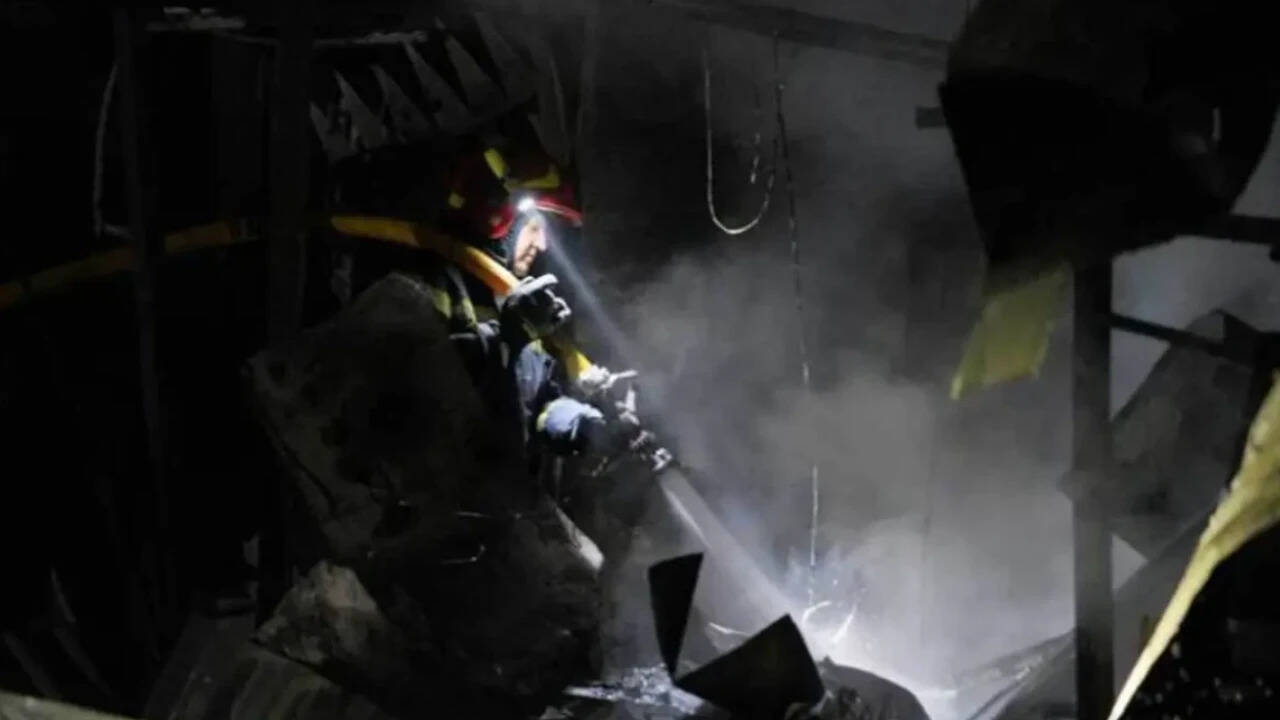
Let's look at the operational reality on the ground. The strike left the facility choked in heavy smoke, with safety protocols locking out inspectors for hours. No WHO staff members got hurt, which is a massive relief. But the physical survival of personnel misses the real point. Medical supplies don't rebuild themselves overnight. When you blow up humanitarian hubs, you are directly squeezing the oxygen out of a healthcare network already stretched to its absolute limit.
The Strategy Behind Hitting Medicine
Why target a humanitarian warehouse? Honestly, the logic is brutal and entirely calculated. Modern attrition warfare relies on breaking the enemy's civilian backbone. If you destroy the trauma kits, the insulin supplies, and the surgical gear before they reach front-line field hospitals, you create a cascading failure.
Look at the timeline. Right before this Kyiv Oblast facility took a hit, Russian forces damaged the Biocon logistics complex, which stands as one of the largest pharmaceutical warehouses in Ukraine. Back in August, another major WHO hub in Dnipro was obliterated, leaving workers scrambling to evacuate fewer than half of their pallets before the blaze took over.
This isn't bad luck. It's a pattern. The supply chain for healing is being systematically hunted down.
How Humanitarian Agencies Adapt to Constant Targeting
You can't just throw your hands up and stop delivering aid. Organizations like the WHO have had to completely rewrite their playbook for operating inside an active warzone. Decentralization has become the only survival strategy.
- Warehouses are no longer massive, centralized holding points.
- Stockpiles get broken down into tiny, mobile batches.
- Alternative storage facilities pop up in secret locations overnight.
The WHO keeps deliberately tiny quantities of medical inventory in any single location now. They know the risks. If a missile turns a depot into ash, they only lose a fraction of their inventory rather than a multi-million-dollar cargo haul. It's an exhausting way to run relief operations, but it keeps ambulances stocked and field medics supplied.
The Broader Fallout for Ukrainian Healthcare
Think about what happens when a pharmaceutical depot goes up in flames. Doctors in combat zones don't get their routine shipments. Surgeries get delayed. Chronic illness management grinds to a halt in towns battered by shelling.
International law gives distinct protections to medical personnel, transport, and supplies. Yet, those legal frameworks feel increasingly fragile when concrete walls turn to rubble. The international community issues statements of condemnation, but statements don't stop incoming ordinance.
Ukraine's medical teams keep working through the smoke and sirens. They've built a grim kind of resilience out of necessity. Every time a warehouse burns, they find a way to reroute trucks through safer corridors before the dust even settles.
The physical buildings can be replaced, but the deliberate targeting of healthcare logistics leaves a scar that lasts much longer than the war itself. Keep watching how these supply lines hold up, because they dictate whether civilian survival remains possible in the months ahead.