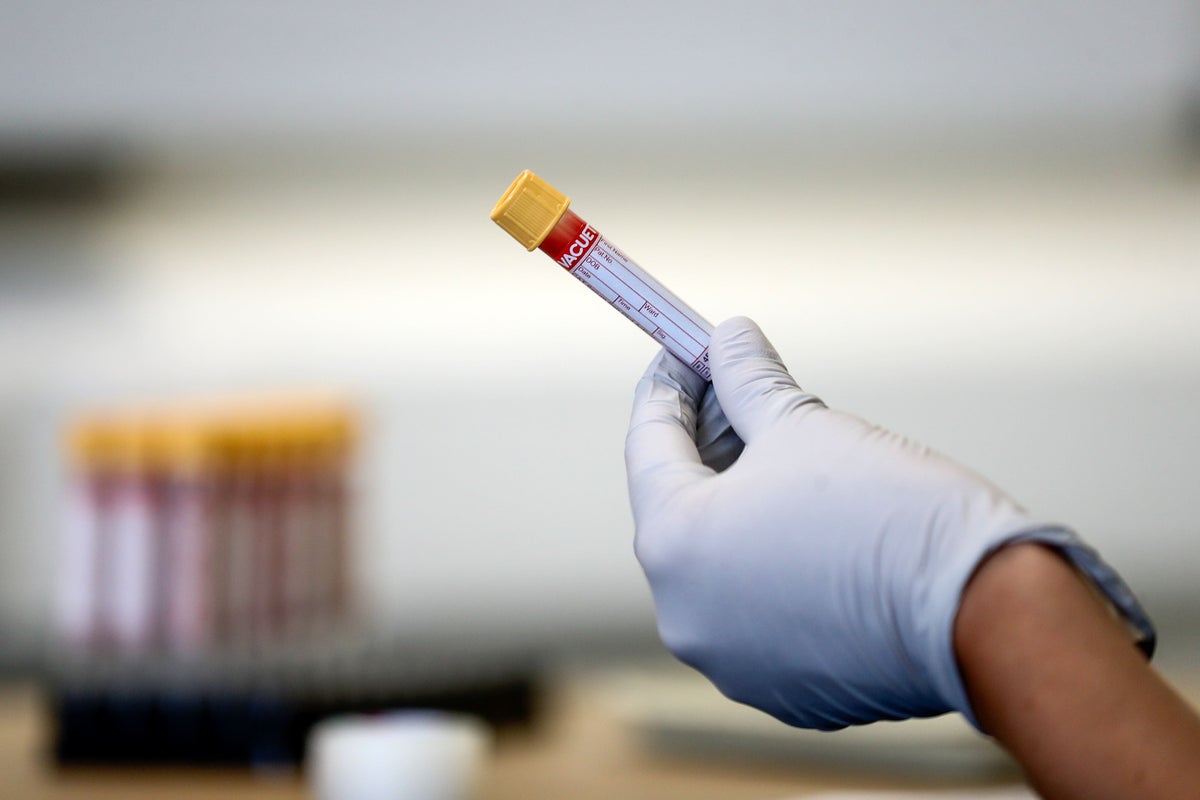
You walk into your doctor's office, hand over a vial of blood, and walk out knowing whether you will lose your memories decades from now. Sounds futuristic, right? Except it is happening right now.
Recent medical breakthroughs mean that simple blood assays can now detect signature proteins like p-tau217 and amyloid beta associated with Alzheimer's disease long before any cognitive symptoms show up. Headlines scream about tests that predict your neurological future in minutes. Naturally, you might wonder if you should rush out and get screened.
Stop. Before you demand this test from your primary care physician, you need to understand what that little piece of paper actually tells you—and what it doesn't.
The Reality of Early Biomarker Testing
For years, confirming Alzheimer's required expensive PET scans or invasive lumbar punctures. These procedures act as bottlenecks, keeping diagnoses confined to specialized neurology clinics. Blood-based diagnostics change that architecture entirely. Recent data presented at the Alzheimer's Association International Conference shows that when primary care doctors use these blood assays, their diagnostic accuracy jumps from 65 percent to an incredible 93 percent.
That is a massive win for modern medicine. But there is a catch. Most of these validation studies evaluate people who are already experiencing mild cognitive impairment or memory issues. Testing asymptomatic, healthy adults opens up a completely different ethical and emotional can of worms.
If you are completely healthy with zero memory problems, testing positive for high levels of amyloid or tau does not mean you have dementia today. It means your biological risk is elevated. According to long-term tracking studies, symptom-free older adults with high p-tau217 levels face roughly a 38 percent risk of developing cognitive impairment over five years, climbing to 78 percent over a decade.
Probabilities are not certainties. You could carry the biological footprints of the disease for the rest of your life and never actually develop clinical dementia.
Why Specialists Say Wait
Top neurologists and researchers urge caution for healthy individuals. Dr. Reisa Sperling of the Mass General Brigham Neuroscience Institute puts it bluntly: do not get tested unless you can actually do something actionable about the result.
Right now, if you walk around feeling fine and a screening test flags you as high-risk, your doctor's advice will sound painfully ordinary: eat well, prioritize sleep, exercise daily, and stay mentally engaged. You do not get a magic pill that erases the risk overnight.
Furthermore, false positives cause profound psychological distress. Living with the shadow of a predicted cognitive decline can erode your mental well-being long before any actual brain changes impact your daily life. Insurance complications, anxiety, and lifestyle disruption are very real side effects of predictive medicine.
When These Tests Actually Make Sense
Blood diagnostics shine brightest when used correctly. If you or a loved one are actively experiencing memory lapses, confusion, or executive dysfunction, these tests offer incredible clarity. They help primary care providers rule out Alzheimer's quickly, or confirm it early enough to qualify patients for disease-modifying therapies designed to slow down the condition's progression.
Medical technology moves fast. Researchers are already validating home finger-prick kits and looking at novel markers like circular RNAs to track disease progression with even greater precision.
If you are worried about your cognitive health, focus on the variables you control today. Manage your cardiovascular health, keep your blood pressure in check, and address hearing loss. Leave the predictive blood panels for when you actually need clinical answers.
Blood test may revolutionise treatment of Alzheimers disease
This video provides a helpful overview of how emerging blood tests are transforming the landscape of Alzheimer's detection and early patient care.