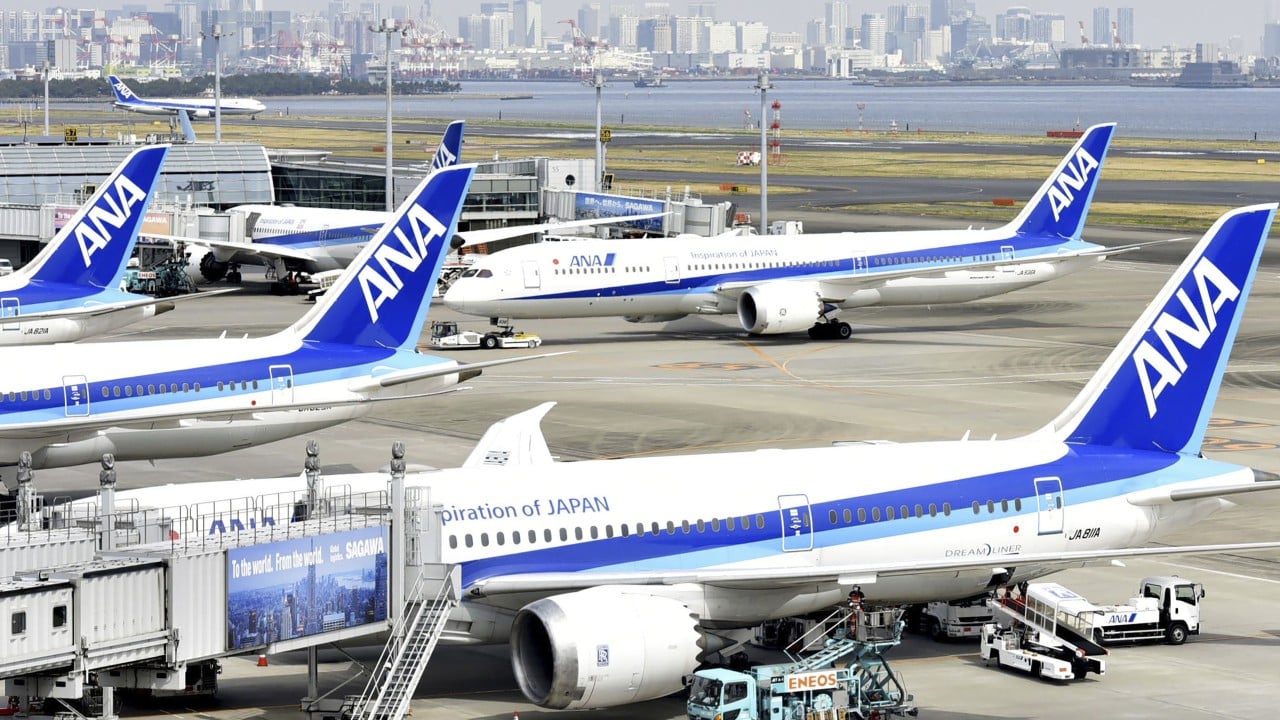
A commercial flight from Shanghai was seconds away from disaster near Tokyo's Haneda Airport when a traffic collision avoidance system screamed to life. Two aircraft—an All Nippon Airways passenger jet and a government inspection plane—slips-streamed perilously close, with reports indicating an agonizing separation margin at one point. It is the kind of terrifying wake-up call that forces regulators to stop looking at safety spreadsheets and start looking at crowded airspace reality.
When major transport hubs get saturated, small timing errors cascade into catastrophic risks. Haneda has already been on edge following previous runway incidents. This latest close shave forces a hard look at how ultra-dense flight corridors handle mixed traffic. If you think modern air traffic control is foolproof, you are mistaken. Automation handles the heavy lifting, but human judgment and systemic bottlenecks still dictate whether planes stay apart.
The Anatomy of a Close Call
Airspace near major global metropolises resembles a congested highway at rush hour, except everyone is moving at five hundred miles per hour. During the Haneda incident, flight path management, landing queues, and secondary non-commercial traffic intersected dangerously.
When a passenger liner inbound from abroad crosses paths with a domestic inspection aircraft, coordination errors often stem from three systemic pressure points:
- Radio frequency congestion during high-tempo arrival windows.
- Misaligned assumptions between automated ground control systems and cockpit execution.
- The sheer density of post-pandemic flight schedule recoveries straining ground controllers.
Pilots train for these moments, yet survival often relies on electronic safety nets rather than air traffic management. When cockpit systems have to override human routing at low altitudes, the margin for error shrinks to near zero.
Why Regulators Keep Chasing the Problem
Aviation authorities love committees, safety circulars, and mandatory reporting forms. None of those stop a mid-air collision when two aircraft occupy the same patch of sky. The core issue is airspace architecture. As flight volumes surge back to historical highs, older airports like Haneda operate way past ideal capacity thresholds.
Operators across Asia are watching these investigations closely. Fast-growing aviation markets face identical infrastructure crunches. Skyrocketing flight counts mean that minor procedural slips now carry exponential dangers. You cannot scale up flight frequencies without drastically upgrading airspace separation tech and controller training.
Lessons for Regional Aviation Hubs
Fast-growing carriers and regulators across the region face a glaring reality check from these events. Operating high-density domestic and international routes requires absolute synchronization between ground infrastructure and cockpit automation.
Key takeaways for airline operators and safety inspectors include:
- Upgrading mandatory collision avoidance response protocols during busy arrival sequences.
- Enforcing stricter buffer zones for non-routine government or inspection flights operating in commercial corridors.
- Addressing controller fatigue and staffing shortages that directly correlate with handling errors.
Safety margins aren't built on luck. They require continuous structural friction against complacency. Fix the airspace before the next close call stops being a near miss.


