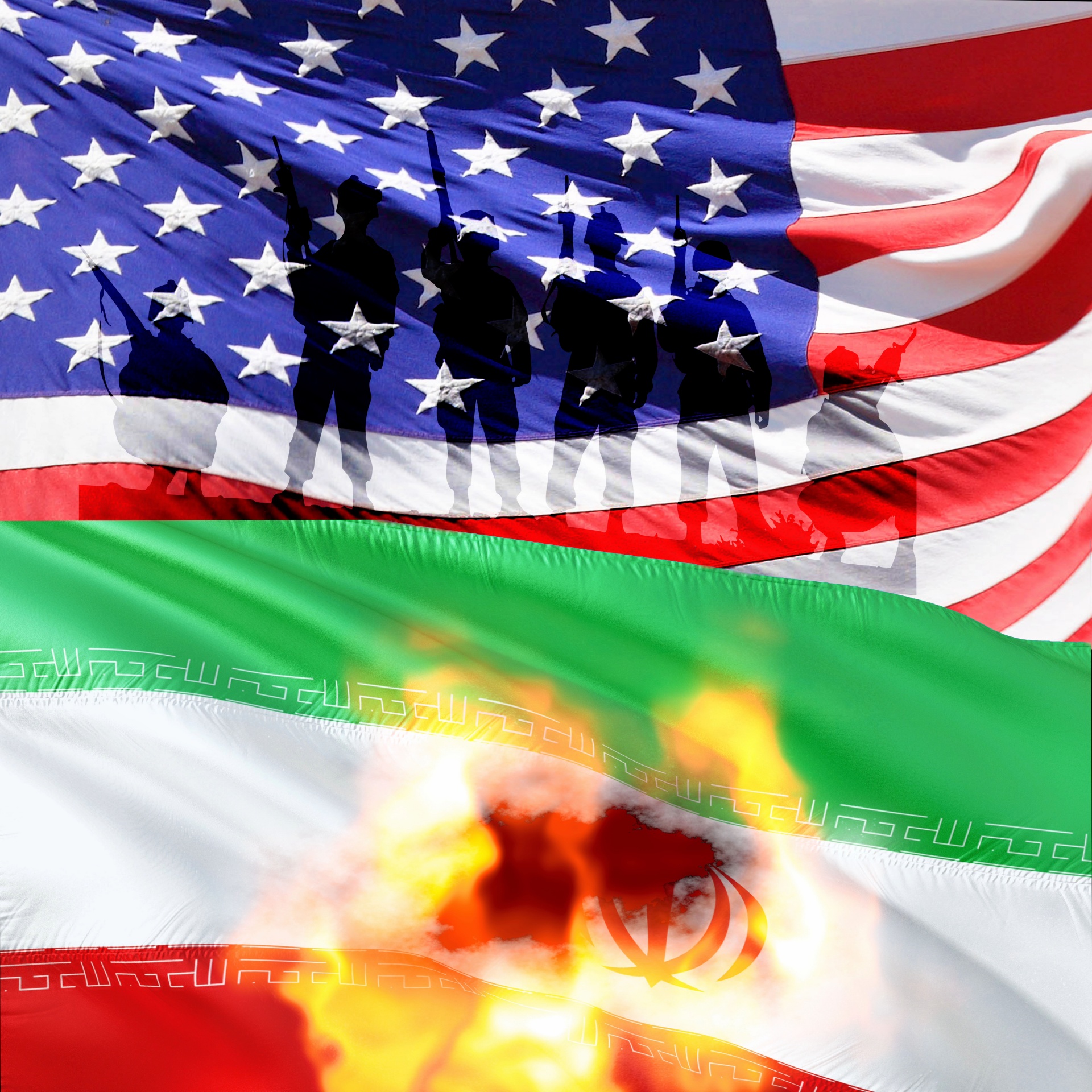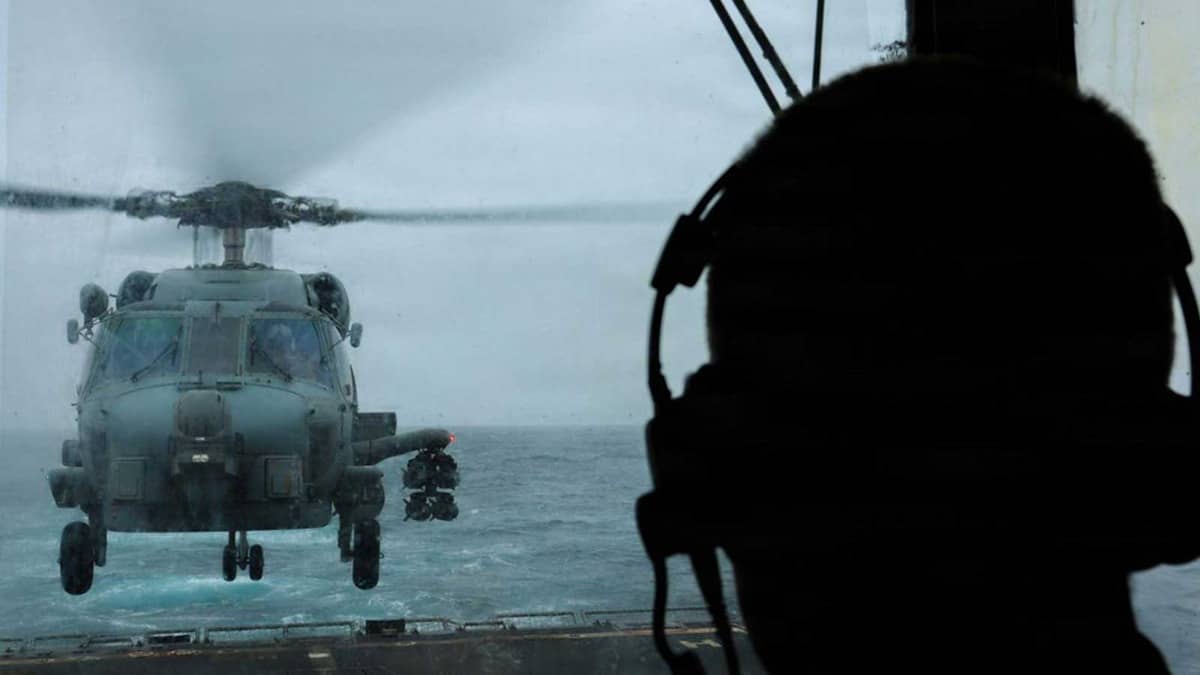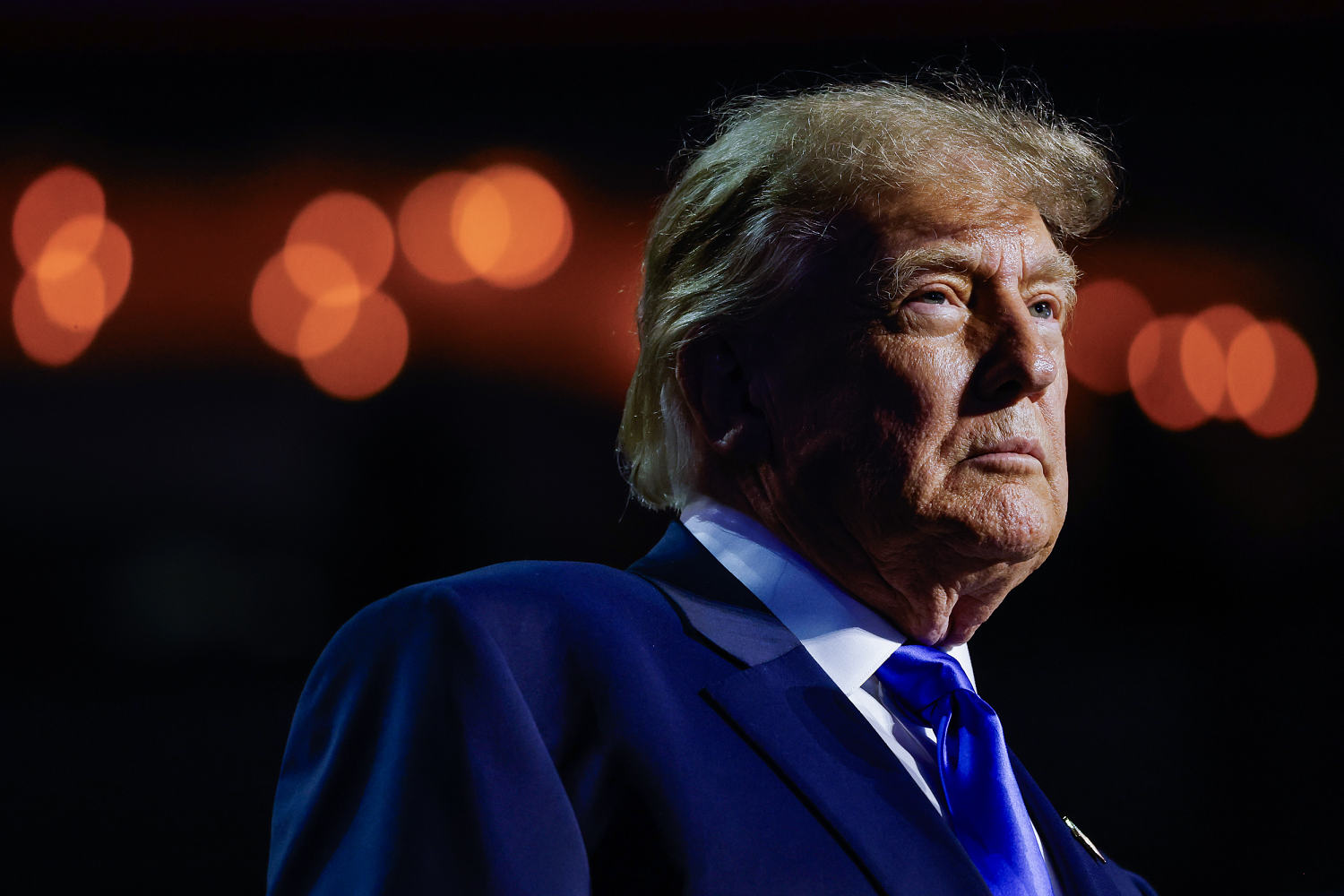
Voters heading into the 2026 midterm elections are staring down a harsh economic reality. Gas prices are high, inflation is stinging, and the ongoing conflict in Iran has stretched well past initial White House predictions. President Donald Trump just offered a bold explanation for the gridlock. He claims that Tehran is dragging out the fight specifically to influence American voters and install a weaker administration. According to him, the war will end immediately after Election Day.
That narrative turns a massive political vulnerability into a tactical talking point. But does it hold up against reality on the ground? Let us look at what is driving the timeline, how energy markets are reacting, and what this means for voters at the pump.
The Political Calculus Behind the Timeline
When the conflict started, the administration projected a swift operation lasting only a matter of weeks. We are now seven months in. The Strait of Hormuz remains heavily disrupted, cutting off vital global shipping lanes where roughly 20 percent of the world's petroleum typically moves.
Republicans are scrambling to defend their narrow majorities in Congress as voters connect high energy costs directly to foreign policy. Trump addressed this head-on during a trip to Dallas ahead of the midterm Republican convention. He insisted that foreign actors are holding out for a change in U.S. leadership.
"They're desperate to try and affect the election," Trump told reporters, arguing that Tehran wants to wait out the current administration. He added his core prediction: the moment the ballots are cast, the calculus for Iran changes because they simply cannot hold out any longer.
Vice President JD Vance took a slightly more measured approach when pressed on the timeline. He declined to set artificial deadlines, telling reporters that predicting the end of the conflict is like asking when opposing forces will stop shooting. Yet, the White House message remains clear. They want voters to see the timeline as a manufactured political standoff rather than an endless military quagmire.
Oil Prices and the Economic Fallout
You cannot talk about the conflict without talking about crude oil. Global energy prices surged past the one-hundred-dollar threshold for Brent crude, triggering widespread anxiety across financial markets.
Trump acknowledged that energy markets are struggling, but defended the broader strategy as essential to prevent Iran from obtaining a nuclear weapon. When asked about relief for drivers, he was blunt. Oil prices and gas costs likely will not drop until right after the midterms conclude.
"Right after the election, oil prices are going to be tumbling downward," Trump said.
This admission marks a distinct shift in tone. For months, officials downplayed the long-term economic friction. Now, the administration is explicitly tying financial relief to the electoral calendar. To offset the crunch, the government has aggressively tapped strategic petroleum reserves, driving stocks below three hundred million barrels—a sharp drop from earlier years.
What Voters Actually Face Right Now
If you are trying to budget for fuel and groceries right now, political predictions do not put money back in your wallet. The reality is that strategic reserves are dwindling, supply chains through the Middle East remain fragile, and Congress is increasingly divided. The House has repeatedly voted on measures trying to rein in the war, signaling fierce legislative pushback that complicates the executive branch's timeline.
The administration wants you to believe that a quick economic snapback is waiting on the other side of November 3. Critics argue the conflict has developed its own dangerous momentum that will not vanish simply because a calendar page turns.
Watch the shipping data coming out of the Gulf. Monitor actual barrel reserves rather than campaign rhetoric. That is where you will find the real answer to when this conflict winds down.