Crude oil markets rarely stay quiet when Washington and Tehran trade public blows. Donald Trump just blasted the Iranian government, claiming it's manufacturing maritime crises and fake attacks in the Strait of Hormuz simply to force up energy costs right before the US midterm elections.
If you look past the standard political theater, this clash exposes the fragile reality of global oil transit lines. Let's break down what's actually happening in the Persian Gulf, why energy traders are sweating, and what this high-stakes standoff means for everyday consumers. For another view, see: this related article.
The Hormuz Chokepoint Battleground
The Strait of Hormuz is the literal jugular vein of the global energy supply. Roughly a fifth of the world's petroleum passes through this narrow stretch of water every single day. When tensions spike here, gas stations around the world feel it within hours.
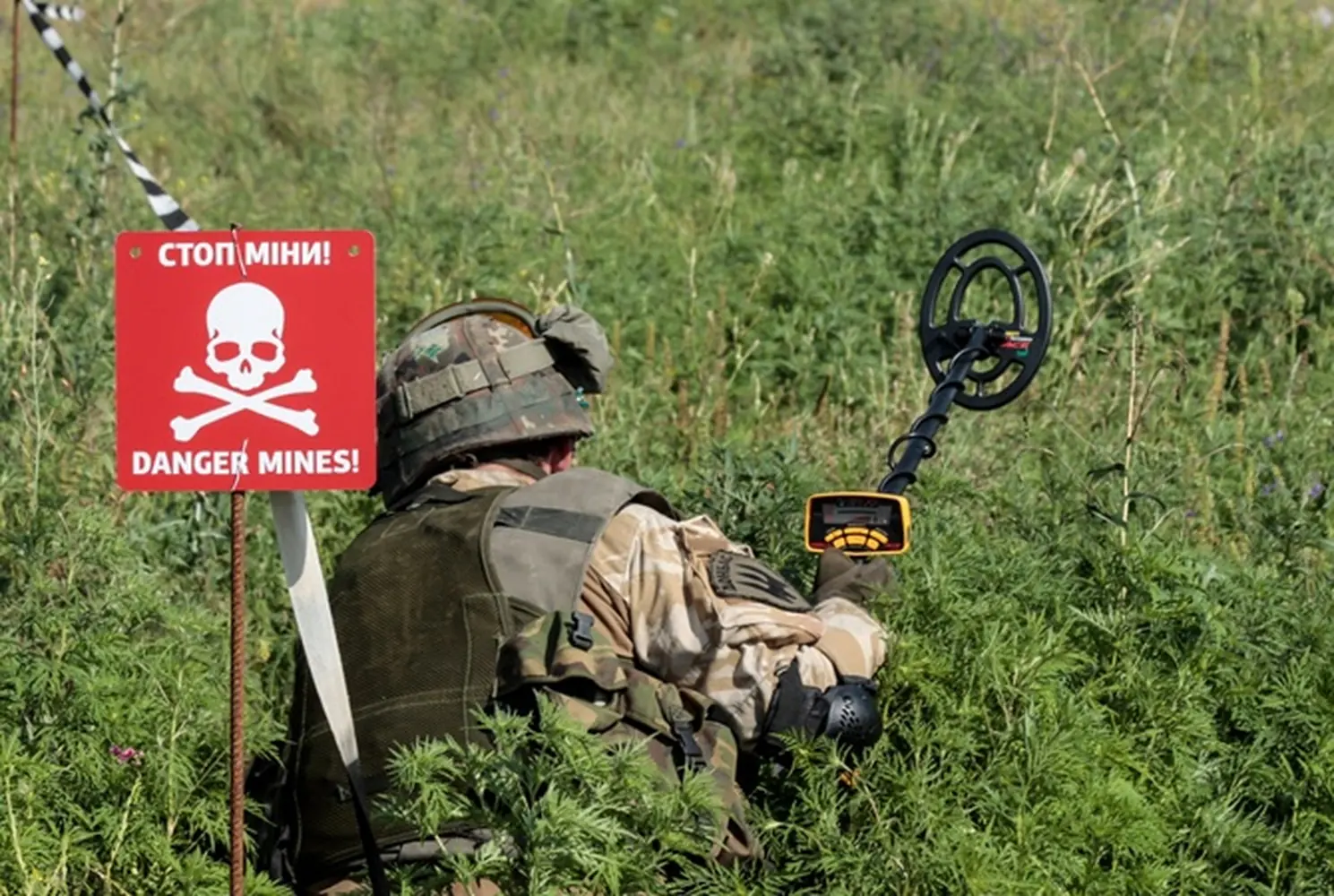
Trump didn't hold back in his recent statements, arguing that oil cargo volumes moving through Hormuz are actually higher now than they were before the current conflict flared up. He accused Tehran's leadership of staging fake hits and planting mines to manufacture artificial panic. Similar analysis on this trend has been shared by NBC News.
At the same time, the Islamic Revolutionary Guard Corps Navy fired back with its own stark warnings. Tehran claimed responsibility for targeting oil tankers moving through what it deemed illegal routes, threatening to expand confrontations directly to regional US military bases if Washington keeps pushing vessels through mined passages.
The Politics Behind the Crude Spike
Why is oil pricing such a massive political football right now? Simple. Energy costs hit voters directly in the wallet. When filling up a sedan costs significantly more week over week, public anger swells against the party in power.
Trump's core argument rests on timing. By pointing the finger at Tehran ahead of the midterms, he's framing rising crude prices not as a natural market shift, but as a deliberate foreign interference tactic. It’s an aggressive narrative, but one that resonates loudly with voters who are already anxious about inflation.
Yet, independent energy analysts point out that actual physical disruptions in the Persian Gulf carry a heavy risk premium. Even if tanker flows remain relatively steady on paper, the threat of maritime conflict forces shipping insurers to skyrocket their rates. Those higher insurance and security costs bake themselves right into the final price of a barrel of oil.
Inside Tehran's Calculus and Nuclear Red Lines
Beyond the oil market panic, Trump also reiterated a hardline stance on Iran's nuclear ambitions, stating unequivocally that Tehran will never be permitted to acquire atomic weaponry. He sharply criticized domestic political rivals and international bodies for showing what he views as dangerous indifference toward the regime's domestic crackdowns.
When you strip away the rhetoric, the confrontation leaves very little room for diplomatic error. Iran's leadership faces immense internal pressure, economic sanctions, and ongoing domestic unrest. For a government cornered by economic isolation, exerting control over the world's most vital energy corridor remains one of its few immediate leverage points.
What Happens Next for Global Energy Markets
Markets hate uncertainty more than bad news. Right now, traders are caught between conflicting realities. On one side, physical oil is still moving through the Strait of Hormuz. On the other side, military commanders on both sides are issuing explicit threats and reporting localized strikes on tankers.
If you are watching your fuel expenses or managing investments tied to energy commodities, expect extreme volatility. A single miscalculation by a naval patrol boat in the Persian Gulf could instantly turn a war of words into a genuine supply shock. Keep a close eye on shipping insurance rates and actual tanker tracking data rather than just the daily political headlines. That is where the truth of the market always hides.