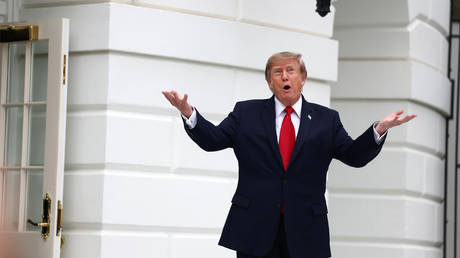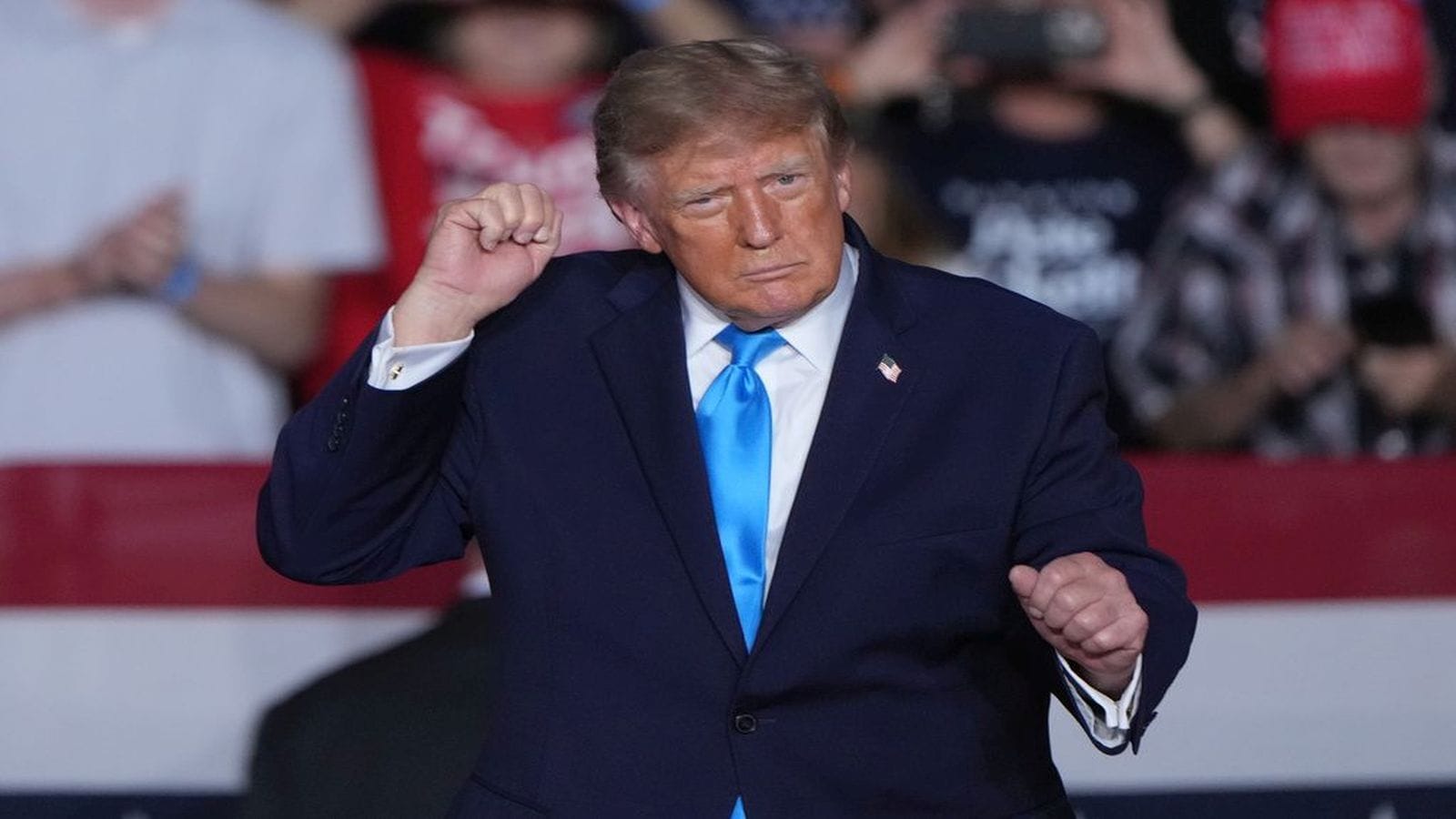
The eight-month-old war in the Middle East is reaching a boiling point. President Donald Trump just signaled that Washington might unleash another round of heavy strikes if Tehran refuses to negotiate on American terms. Speaking at a campaign rally in Florida, Trump dropped a direct warning to the Iranian leadership. He floated the idea of launching "another little Epic Fury," referring to the massive initial military campaign code-named Operation Epic Fury that began back on February 28 alongside allied Israeli strikes.
If you are wondering why this escalation is happening now, look at the calendar. The U.S. midterm elections are just around the corner on November 3, and voters are furious over stubbornly high fuel prices. Oil and gas costs have surged globally since the conflict kicked off, putting intense political pressure on the White House. Trump is caught between a desire to project unyielding strength and the domestic reality of voters feeling the pinch at the gas pump.
The Strategy Behind the Threats
Trump is playing a high-stakes psychological game with Tehran. Earlier on the same day in Washington, he told reporters that the United States could easily finish the war quickly or simply let the country wither under a tight maritime blockade of the Strait of Hormuz.
"We could end it very quickly," Trump said before leaving for Florida. "The question is, do we want to finish it off or do we just want to let it wither?"
This dual messaging serves a distinct purpose. By dangling the threat of renewed kinetic action, the administration wants to force Iran's leaders back to the table on Washington's strict terms. Yet, the timing creates severe political turbulence. While the White House previously hinted it would hold off on major military actions until after the congressional elections, off-the-cuff remarks at campaign rallies keep the specter of immediate escalation alive.
What's Driving the Regional Stalemate
The core disagreement remains centered on control of maritime shipping lanes and nuclear restrictions. The U.S. Navy has maintained a strict blockade in the Persian Gulf, insisting that regional trade routes will stay under American and allied security control. Tehran, meanwhile, continues to push back, with state media reporting various skirmishes and counter-threats targeting infrastructure.
Regional allies are growing nervous. European and Turkish foreign ministers recently convened in Istanbul to warn that any renewed military offensive could widen the conflict exponentially. Turkish Foreign Minister Hakan Fidan noted that a fresh attack would expand the war across the region, while French officials cautioned that energy prices would spike violently if hostilities flare up again.
The Political Calculus Ahead of the Midterms
Back home, domestic politics dictate every move. Trump's rally appearance in Fort Myers was designed to rally the conservative base and support local congressional candidates. Tying foreign policy muscle to domestic ballot priorities is a classic political maneuver, but it carries heavy risks. If fuel prices remain elevated, voters may punish incumbents at the polls regardless of foreign policy victories.
Tehran is watching these domestic vulnerabilities closely. Iranian officials have already drawn up contingency plans for a renewed conflict, signaling that any fresh American strikes would be met with targeted retaliation.
The standoff leaves the entire region suspended between a fragile, tense pause and the sudden ignition of "Epic Fury" once more. Keep a close eye on the diplomatic signals coming out of Washington and the oil markets over the next few weeks. The next move depends entirely on whether either side blinks first.