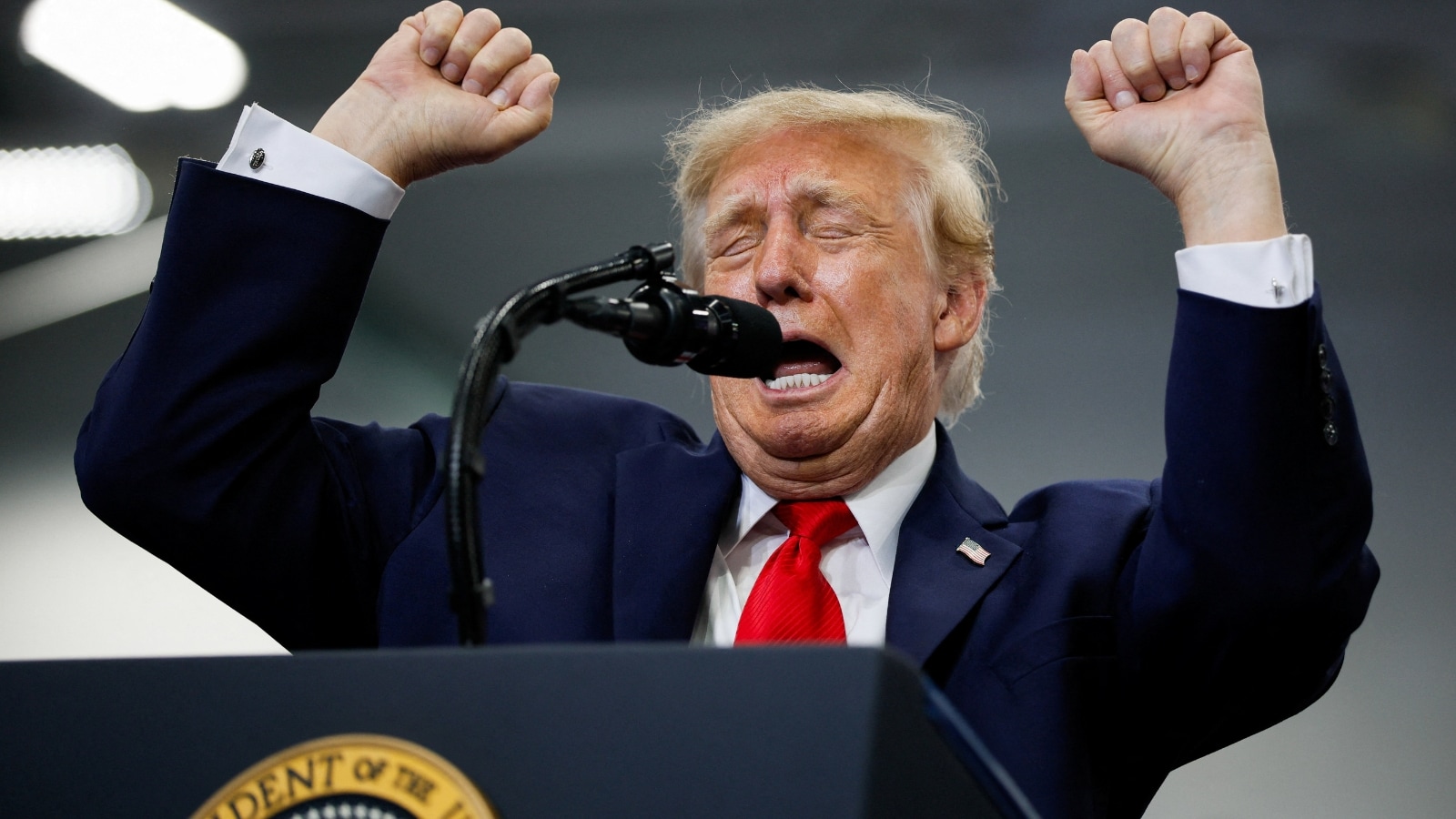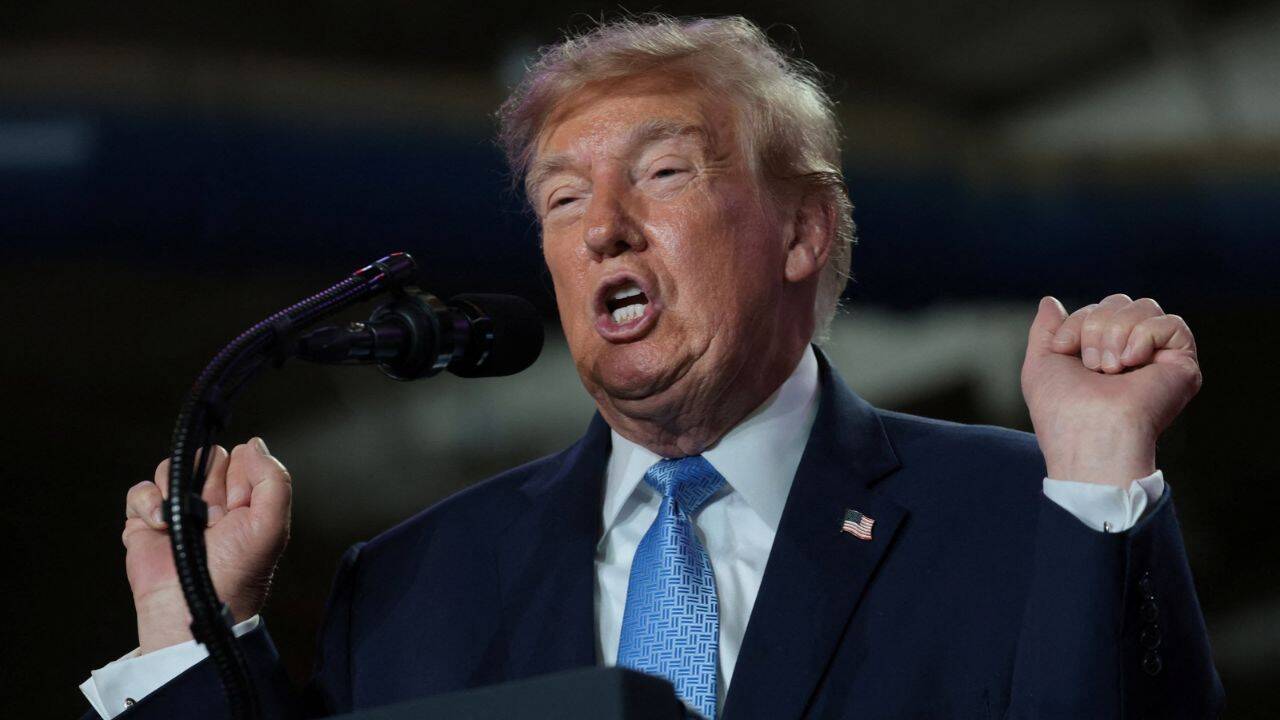
Donald Trump wants to ban the words "artificial intelligence." He thinks the label is completely wrong.
Instead, his administration is pushing for a total rebrand to "super intelligence," or SI for short. An executive order signed on September 30 officially directs federal agencies to wipe "AI" from official documents, memos, and policy papers. Expanding on this idea, you can also read: Why Anthropic Could Just Stop Building Frontier Ai And Why They Won't.
If you are wondering why anyone cares about a semantic shift, you are missing the underlying policy battle. Words matter in Washington. When a president tries to change a global technological descriptor by decree, it forces compliance across federal procurement, tech grants, and defense contracts.
Why the White House Hates the Term AI
The official rationale is simple. Current machine learning systems do much more than imitate human thought. They scale creativity, automate complex engineering tasks, and process code at speeds that make human cognition look like dial-up internet. Observers at Mashable have also weighed in on this matter.
The executive order argues that the phrase "artificial" implies something fake or simulated. The administration wants a term that reflects genuine capability and unprecedented scale. They believe frontier tech models have outgrown the 20th-century vocabulary built around expert systems and simple automation.
Critics call it a superficial distraction from real regulatory challenges like data privacy, copyright infringement, and energy grid strain. Yet, the directive gives the Assistant to the President for Science and Technology just 60 days to submit proposed legislation defining "super intelligence" under federal law.
What This Means for Tech Giants and Federal Contractors
Silicon Valley leaders like Elon Musk, Mark Zuckerberg, Sundar Pichai, and Jensen Huang have spent months meeting with White House officials to shape national tech policy. While tech executives often roll their eyes at Washington branding exercises, they cannot ignore federal compliance rules.
If you run a tech company doing business with the federal government, this is not just semantic noise. It means auditing your contract proposals, compliance documentation, and grant applications. If your paperwork still uses legacy terminology, it will get rejected.
Federal agencies are rolling out the change immediately across public communications, administrative portals, and official websites. However, legacy archives, historical records, and existing court filings are exempt from retroactive edits. You do not need to rewrite past archives, but moving forward, the federal machinery will speak a new language.
The Real Problem With Linguistic Engineering
History shows that governments love renaming things to signal a new political era. Changing acronyms rarely shifts the underlying physics of a technology.
Whether you call it artificial intelligence or super intelligence, the core bottlenecks remain identical. Semiconductor supply chains are still strained. Data center energy demands are still burning through municipal power grids. Hallucinations, data bias, and security vulnerabilities do not vanish because a bureaucrat updates a Style Guide.
Trump wants Wall Street and the mainstream press to adopt SI. Outlets like The Wall Street Journal have already been called out publicly for sticking to legacy naming conventions. Whether media organizations bend to presidential linguistic preferences is another story entirely.
Expect industry compliance officers to quietly update their templates to keep federal grant money flowing. The rest of the world will likely keep using whatever term gets the point across. Stop stressing over what acronym to use and start preparing for actual regulatory enforcement coming down the pipeline.