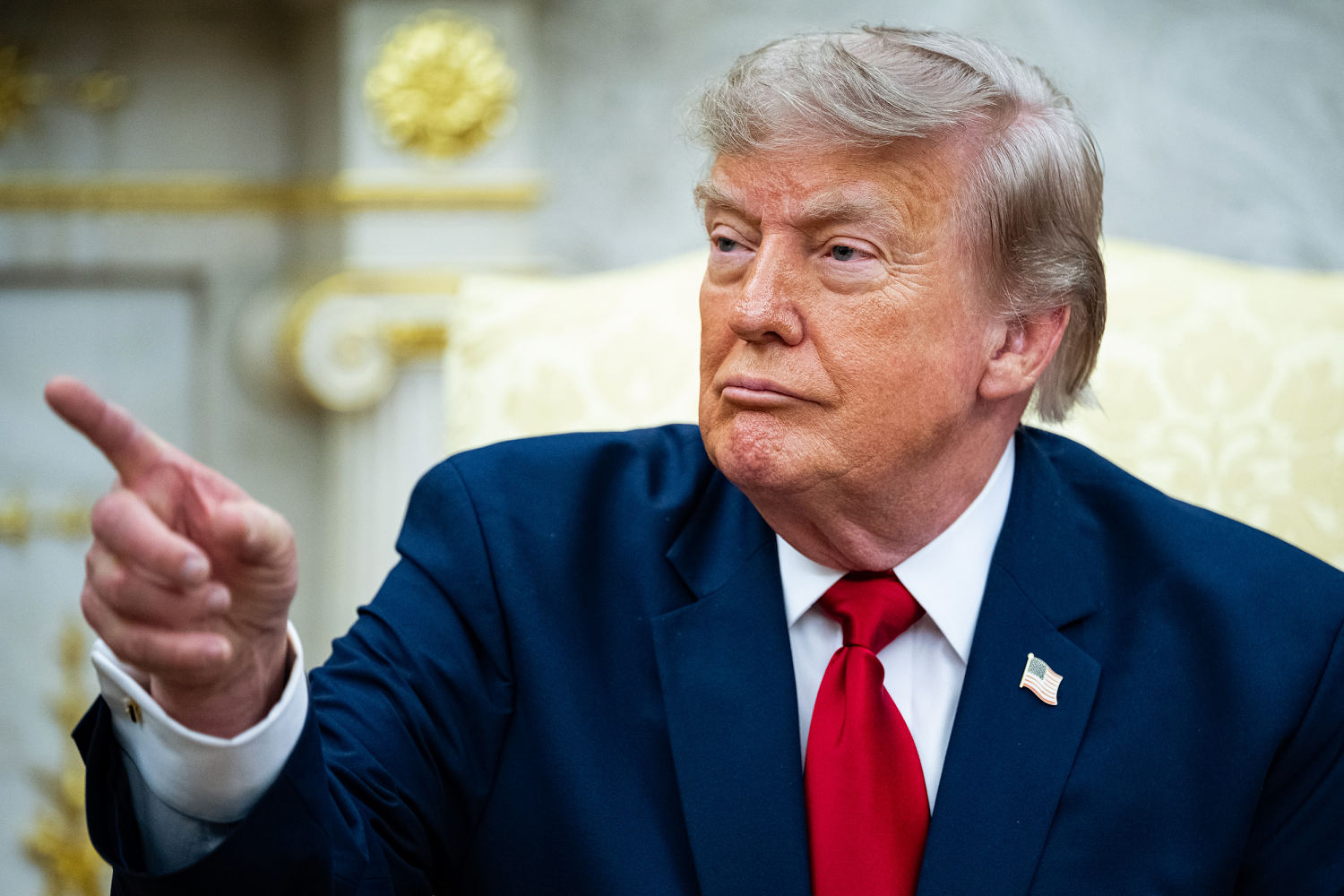
President Donald Trump recently stated in an interview that he would consider granting preemptive pardons to members of his administration before leaving office. The comments, made during a discussion with TIME magazine, throw gasoline on a constitutional debate that has simmered for decades.
If you are wondering why presidential clemency is suddenly making headlines again, the answer boils down to partisan fear and the weaponization of the justice system. Trump pointed directly at the actions of his predecessor, noting that Joe Biden issued broad pardons before exiting office to shield public servants from potential retaliatory probes. Trump argues that if one side can hand out preemptive legal armor, the rules apply equally across the board.
The Mechanics of Preemptive Clems
Most people assume a pardon only works after someone is convicted of a specific crime. Think again. Under Article II, Section 2 of the Constitution, the president holds broad power to grant reprieves and pardons for offenses against the United States, except in cases of impeachment.
Crucially, the Supreme Court ruled way back in 1866 in Ex parte Garland that the pardon power can be exercised at any time after the commission of the offense, even before legal proceedings begin. This means a chief executive doesn't have to wait for an indictment, a trial, or a guilty verdict. They can wipe the slate clean before a prosecutor even opens a file.
Critics call this a blatant abuse of executive authority. They argue that blanket, uncharged protections undermine the rule of law and encourage corruption because officials can act without fear of criminal accountability. Supporters counter that preemptive pardons are a necessary shield against politically motivated prosecutions by incoming administrations bent on revenge.
Looking Back at Precedent
Trump is not inventing a new playbook here. Modern history is full of preemptive pardons designed to defuse political firestorms.
Gerald Ford pardoned Richard Nixon in 1974 before any charges were ever filed, a move that likely cost Ford the presidency but spared the country a protracted constitutional crisis. Decades later, George H.W. Bush issued preemptive pardons to former Defense Secretary Caspar Weinberger and other officials involved in the Iran-Contra affair just weeks before independent counsel Lawrence Walsh could bring them to trial.
Each time a president uses this power proactively, public trust takes a hit. Yet each administration seems more willing to push the envelope than the last. When politics turns into a cycle of retribution, executive clemency transforms from an act of mercy into a defensive weapon.
The Real Risk to Public Servants
When a president dangles the prospect of blanket legal protection, it changes how government functions on a daily basis. Mid-level bureaucrats, cabinet secretaries, and political appointees watch these signals closely.
If staff members believe their boss will bail them out before walking out the door, the traditional deterrents against pushing legal boundaries vanish. Why worry about statutory limits or agency guidelines if a presidential stroke of a pen erases everything? Conversely, if officials constantly fear that a future administration will jail them for policy disagreements, good people will refuse to serve in government altogether.
That polarization creates a vicious cycle. Good governance requires stable norms, not a system where every change in the Oval Office triggers a frantic scramble for legal immunity.
What Happens Next
Trump has not yet released a formal list of targets, nor has he finalized any sweeping executive orders. But the mere discussion of preemptive pardons signals that the final days of his term will likely feature intense legal battles over the limits of Article II.
If mass pardons do materialize, expect immediate challenges in federal court. Constitutional scholars will argue over whether a "blanket" pardon that doesn't specify individual crimes or offenses holds any legal weight. Until the courts step in to set firm boundaries, the presidential pardon remains one of the most unchecked, potent tools in American politics.