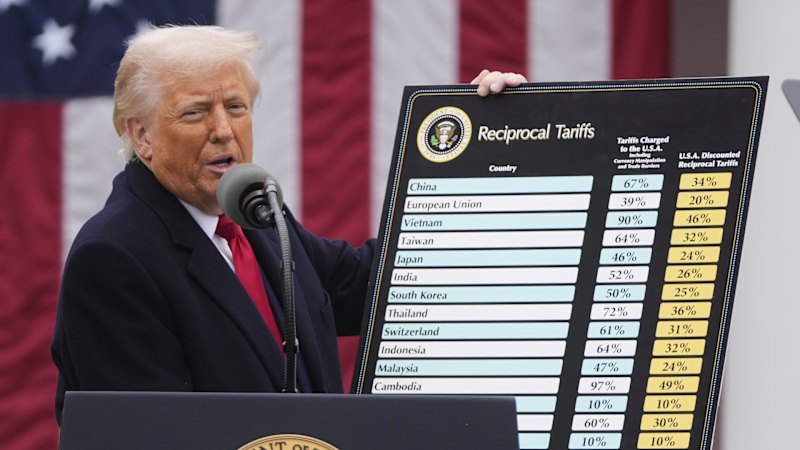
Geopolitics rarely mixes with branding, but Donald Trump managed to merge the two by floating a proposal to rename the Strait of Hormuz to the "Trump Strait." Speaking at a Republican gathering in Dallas, the U.S. president pointed to Washington's military footprint in the vital energy chokepoint and argued that he deserves a personal geographic nod for controlling the waterway. It sounds like a punchline, but it carries heavy implications for crude markets, US-China trade dynamics, and escalating Middle East flashpoints.
You need to look past the provocative headline to understand the actual stakes. Global energy security depends on that narrow strip of water. When political rhetoric targets critical maritime routes, oil traders react immediately.
The Battle for the Strait
Brent crude prices have felt the strain as regional skirmishes intensify. Over the past week, trade flows through the Middle East faced new hurdles after multiple tanker incidents shook confidence. Trump claimed during his address that the conflict with Iran is moving toward a decisive U.S. victory and that global oil prices will drop once the fighting stops.
Market analysts aren't nearly as optimistic about a quick fix. Energy markets hate uncertainty more than anything else. Even if Washington asserts control over the shipping lanes, insurance premiums for commercial vessels operating near the Persian Gulf remain sky-high.
What Traders Are Watching Right Now
- Crude Volatility: Benchmark prices have traded above $100 a barrel during peak tensions.
- Shipping Insurance: Underwriters are charging massive risk premiums for vessels navigating regional waters.
- U.S.-China Diplomacy: High-level talks between Washington and Beijing continue to center on secure energy corridors and supply chain stability.
Why the Renaming Pitch Matters
Naming a critical waterway after a sitting president is unprecedented, but it signals a broader shift in how foreign policy is communicated to domestic voters. By framing foreign conflicts and strategic assets in hyper-personalized terms, the administration wants to project total dominance.
Critics call it a distraction from ongoing military risks. Supporters see it as classic hardball negotiation tactics aimed at Tehran. Either way, foreign ministries from Beijing to European capitals are tracking every word. China, which relies heavily on imported Middle Eastern crude passing through those exact waters, is keeping a close eye on how American control impacts long-term energy contracts.
If you are tracking commodity markets or managing an import-heavy portfolio, don't get distracted by the cartographic stunts. Focus on the underlying security metrics. Watch the tanker traffic data out of the Persian Gulf and keep track of actual supply volumes rather than campaign stage announcements. Stability in the region remains fragile, and oil prices will dictate the real economic fallout long before any new maps are printed.
Watch Trump float renaming the Strait of Hormuz to Trump Strait
This video captures the speech in Dallas where the president announced the controversial renaming proposal and outlined his administration's energy goals.
http://googleusercontent.com/youtube_content/1