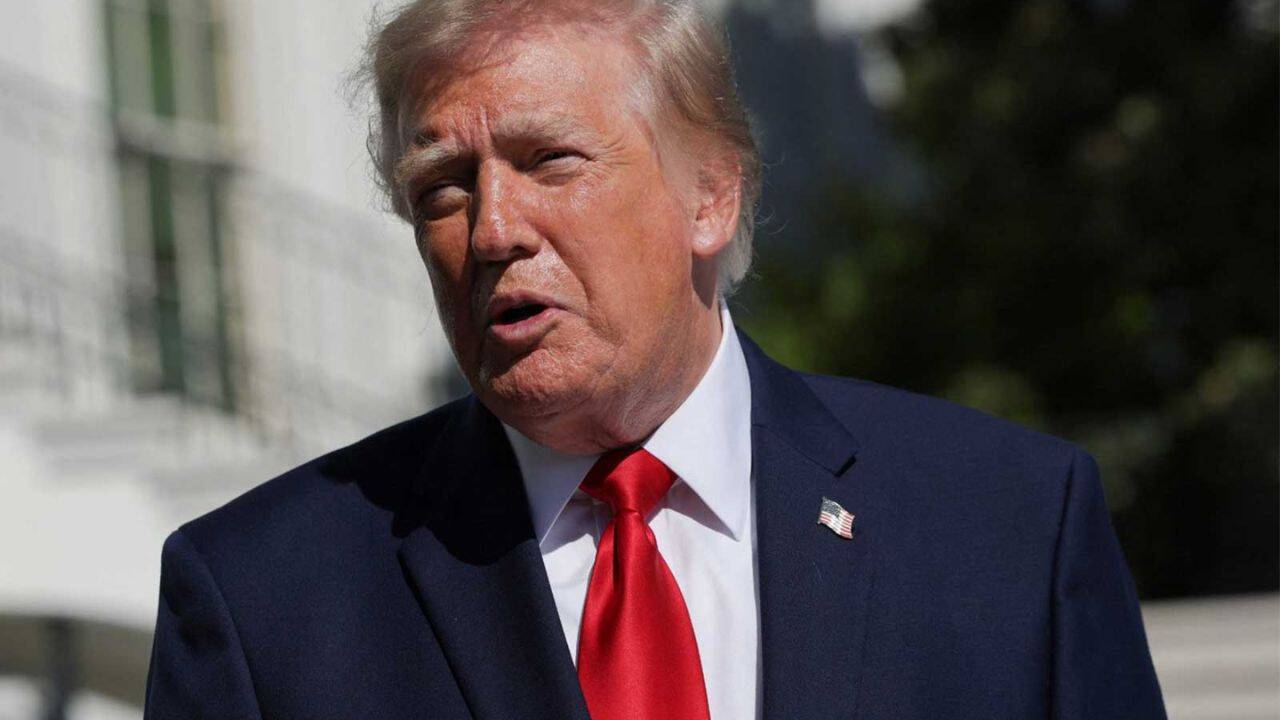
Donald Trump stepped up to a rally podium in Perry, Georgia, and delivered a stark warning to American voters: "France is right now burning down because it opens its borders to people who hate it." He claimed immigrants in France hate its monuments, paintings, and culture, using those images to push his domestic security agenda right as early voting kicks off for the 2026 US midterm elections.
French President Emmanuel Macron didn't hold back in his response. Pushing back against what he called "stupid comments," Macron made it clear that France has plenty of its own issues to deal with and doesn't need foreign leaders turning French domestic struggles into American campaign props.
This isn't just standard campaign cross-talk. It's a textbook look at how international crises get reshaped to fit domestic political narratives.
What Is Actually Happening on the Streets of France
If you listen only to rally speeches, you'd think France's unrest is purely a border crisis. The reality on the ground in Paris, Lyon, and Marseille tells a much different story.
The current wave of French demonstrations was triggered primarily by severe economic pressures. French workers, students, and trade unions organized mass marches across the country to protest skyrocketing living costs, declining household purchasing power, and cuts to public education funding.
Here's what the real numbers look like across France right now:
- Over 410,000 people took to the streets nationwide according to official government estimates, while organizer coalitions placed turnout closer to 800,000.
- Nearly 1,000 arrests were made in a single weekend as law enforcement clashed with groups engaging in property damage and looting.
- France deployed roughly 70,000 police officers and gendarmerie personnel nationwide, using water cannons and tear gas in heavy confrontation zones like Paris's Cours de Vincennes.
The organizers are a broad coalition of left-wing political groups, labor unions, student organizations, and civil society groups like Amnesty International. While violent elements have infiltrated the tail-end of marches, attributing hundreds of thousands of French citizens protesting utility bills and wage stagnation solely to border control policies skips over the actual economic drivers.
How US Campaigns Reframing Foreign Affairs
Why bring up Paris at a rally in Georgia? Because fear-based international framing works in domestic elections.
Trump's strategy aims directly at swing voters who worry about national identity and border enforcement. By tying French urban unrest to immigration, he creates an immediate, visual warning of what could happen if his political opponents control Congress after November.
He told supporters that he warned Macron years ago to "close the borders" before major French cities transformed completely. He framed his own administration's border restrictions as a shield keeping America from a similar fate.
This move accomplishes two key goals for the Republican campaign trail:
- It shifts voter focus away from domestic economic vulnerabilities, such as inflation and polling slumps.
- It turns complex foreign policy debates into simple, highly visual choices about national survival.
Macron’s Pushback and the Limits of Foreign Rhetoric
Macron's public counter-attack underlines a growing frustration among European leaders. During a press briefing, the French President pointed out that foreign commentary after French unrest often involves heavy political manipulation.
"In these moments, we see who loves France and who doesn't," Macron remarked, adding that foreign figures speaking ill of the country for their own political gain were crossing a line.
This diplomatic clash shows how global politics now operates in real time. A riot in Paris becomes a video clip in Georgia within hours, forcing heads of state to respond to campaign speeches made thousands of miles away.
What Voters Should Focus On
When political candidates point across the ocean to make a point, it's worth taking a step back to check the facts. Complex economic protests don't fit cleanly into one-line rally soundbites.
To evaluate claims about international events during an election season, keep these steps in mind:
- Look at primary news sources from the host country to understand local drivers like wage disputes or energy pricing.
- Separate official police data on arrests and protest turnouts from generalized statements about cultural decline.
- Notice when complex systemic issues get reduced to single-issue campaign talking points.
Track reporting from local correspondents in Paris along with official US election updates to get an accurate view of both sides.