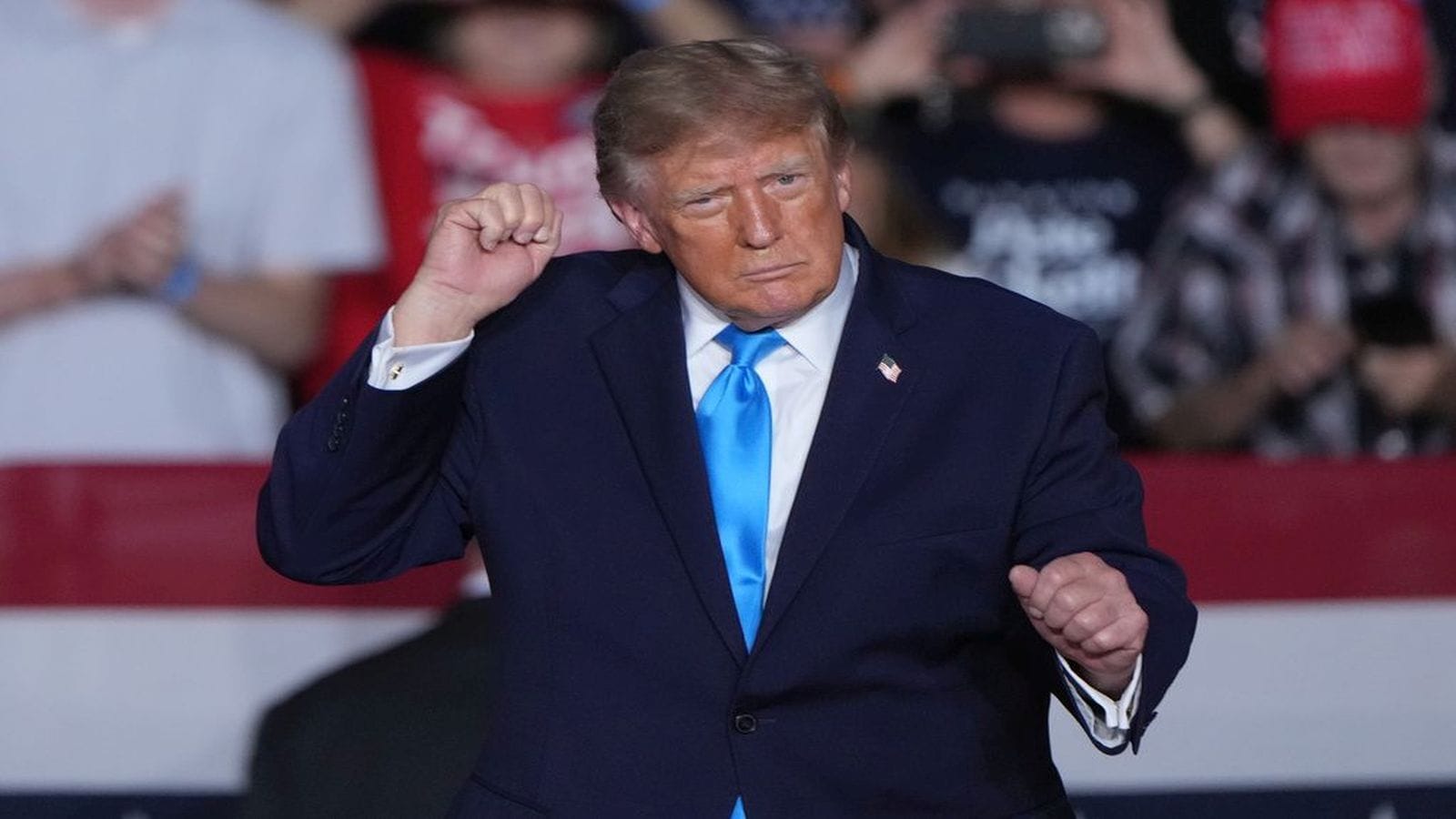
Politics moves fast, but voter anger over household expenses moves faster. President Donald Trump's approval rating has just plummeted to a dismal 31 percent, according to a fresh Reuters/Ipsos poll. With the November 3 congressional elections looming, Republicans are staring down a brutal electoral map, and the panic inside the party is palpable.
When a sitting president's numbers drop this low, it isn't just noise—it's a flashing red light. You don't have to look hard to see why voters are furious. Economic anxiety is driving this shift, and the numbers tell an ugly story for the GOP.
The Economic Reality Driving Voter Discontent
Gasoline prices spiked hard after military strikes on Iran and Israel back in February. For everyday Americans commuting to work or running errands, those pain points at the pump aren't abstract foreign policy debates. They're immediate budget killers.
The Reuters/Ipsos survey reveals that 68 percent of Americans disapprove of Trump's handling of the economy. Even more telling? Roughly 37 percent of self-identified Republicans share that frustration. When your own base starts turning on your economic track record, you've got a massive problem.
Voters in the poll picked Democrats over Republicans as the better stewards of the economy by 40 percent to 33 percent. That single data point explains why the generic congressional ballot has swung heavily in favor of the opposition.
The Gender Gap and the Midterm Landscape
It’s not just the economy dragging numbers down; it’s a severe enthusiasm and preference gap among key voter demographics. Women are breaking away from Republican candidates at an astonishing rate.
Fifty percent of female voters surveyed said they plan to back Democratic candidates in the upcoming midterms, compared to just 32 percent eyeing Republicans. That massive 18-point gender gap is reshaping the entire battlefield. When suburban and working-class women sour on a party's message, competitive House and Senate seats vanish into the loss column overnight.
Overall, registered voters favored Democrats 47 percent to 35 percent in the generic ballot question. A 12-point advantage is the widest margin seen this election cycle.
Can Republicans Overcome the Polls?
National polls give us the big picture, but they don't tell the whole story. Gerrymandered districts and regional voter enthusiasm always throw curveballs into mid-term projections. Republicans still hold structural advantages in specific local races, and they're fighting tooth and nail to defend their turf.
Trump has hit the campaign trail, holding rallies in conservative strongholds and trying to rally a restless base. But warning voters that things will get worse if the opposition wins hasn't stopped the bleeding. High diesel costs are squeezing farmers, consumer confidence is tanking, and the anti-incumbent wave is crashing hard against the White House.
If control of Congress flips on November 3, Trump’s final two years in office will become an absolute legislative nightmare. Gridlock, investigations, and blocked agendas will take center stage.
Watch the suburban districts closely over the next two weeks. That's where the election will actually be won or lost.