Donald Trump wants a Nobel Peace Prize. He wants it badly. And every time the Norwegian Nobel Committee looks elsewhere, things get messy.
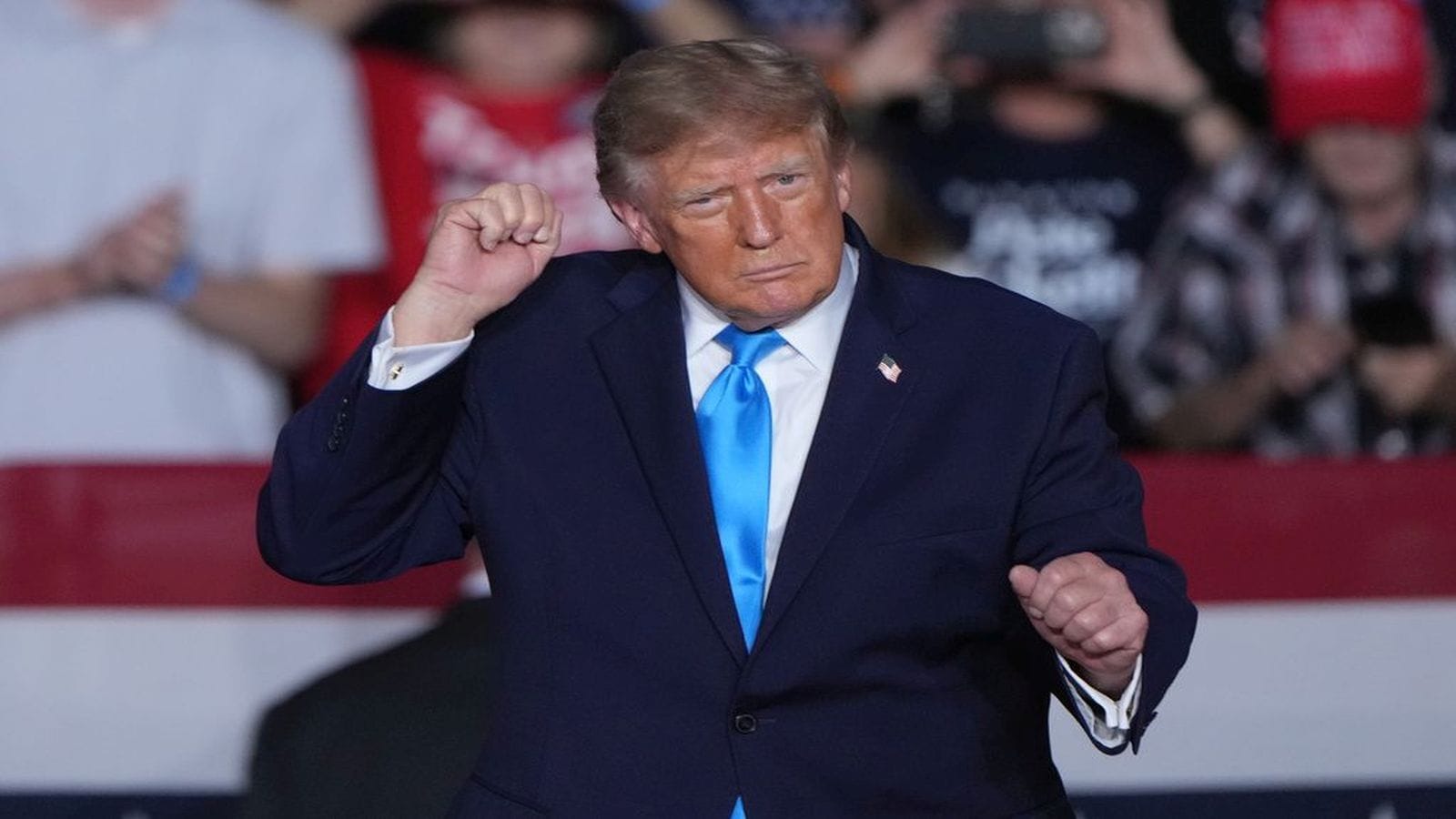
This time, the prize went to Navi Pillay, a former UN human rights chief and International Court of Justice judge. Trump didn't hold back. At a rally in Syracuse, New York, he called the decision an indelible stain on Norway and dismissed the winner as a mystery person he'd never heard of.
If you've followed American politics for the past decade, this script feels familiar. It's loud, it's personal, and it completely misunderstands how international awards operate. But the friction between Washington and Oslo reveals a deeper clash over who gets to define global diplomacy.
The Anatomy of a Grievance
Trump's frustration isn't new. Back in 2025, he voiced similar anger when Venezuelan opposition leader María Corina Machado took home the honors. When Machado later tried to hand her medal over to Trump during a White House visit, the stunt made global headlines. The Norwegian Nobel Committee had to step in and clarify a basic rule of the institution: once awarded, a Nobel Peace Prize cannot be transferred, shared, or revoked.
That didn't stop Trump from complaining that he had settled multiple global conflicts without getting any credit from the international establishment. At his recent rally, he claimed he had settled eight wars and was working on two more.
The Nobel Committee operates under strict guidelines laid out in Alfred Nobel's will. They reward individuals who have done the most to advance fraternity among nations, abolish standing armies, or hold peace congresses. That mandate often favors institutional jurists, human rights advocates, and humanitarian workers over sitting heads of state, whose foreign policy moves often involve complex coercion and military power.
Why Navi Pillay Won
Navi Pillay isn't a household name for casual news watchers, but her legal footprint is massive. The South African jurist spent decades prosecuting war crimes, crimes against humanity, and genocide. When the Norwegian Nobel Committee announced her name, they pointed to her work establishing a more comprehensive global legal order.
Learning of the honor while at Nuremberg's Palace of Justice, Pillay even cracked a joke about sharing the prize if the crowd clapped harder. It's a stark contrast to the grievance politics coming out of American political rallies. Pillay represents institutional accountability, international law, and courts. Trump represents populist disruption, bilateral deals, and personal diplomacy.
Those two worldviews cannot occupy the same room. That's why Trump calls the committee a group of radical ideologues, while supporters of international law view them as guardians of global norms.
The Reality of Norwegian Independence
Back in 2025, Norway's Prime Minister Jonas Gahr Støre had to spell out a basic civics lesson to the American leader. The Norwegian government has zero control over the Nobel Committee. Five members are appointed by the Storting, Norway's parliament, but the committee operates independently to preserve the prize's integrity.
Yørgen Watne Frydnes, the current chair of the committee, doesn't answer to Oslo, and certainly doesn't answer to Washington.
Trump's attacks on Norway as a country miss the mark entirely. Blaming a nation for the independent decisions of a five-person committee is political theater designed to rally a base that distrusts global institutions.
If you want to understand why Trump keeps missing out on the prize, look at his method. Nobel committees historically favor quiet, grinding institutional work over flashy diplomatic announcements. Until political leaders accept that awards aren't transactional perks handed out by friendly governments, these outbursts will keep happening every October. Watch how future administrations handle the prize, because the friction between populist leaders and international institutions is here to stay.