You can't fight a modern war without satellite internet, and when the billionaire owner of that internet holds the kill switch, geopolitics gets messy fast. Donald Trump just stepped into the brewing storm over Ukraine's access to Starlink, promising to ring up Elon Musk directly if speed restrictions and military communications curbs don't lift.
It sounds like classic political bravado, but it exposes a terrifying reality for modern defense strategy. Governments don't control the ultimate high-ground communications anymore. Private corporations do.
The Clash Between White House Claims and Frontline Reality
The dispute started when conflicting reports emerged from Washington and Kyiv. Trump casually claimed that Ukraine's full access to Starlink had been completely restored, signaling a quick resolution to a friction point that has bothered military analysts for months.
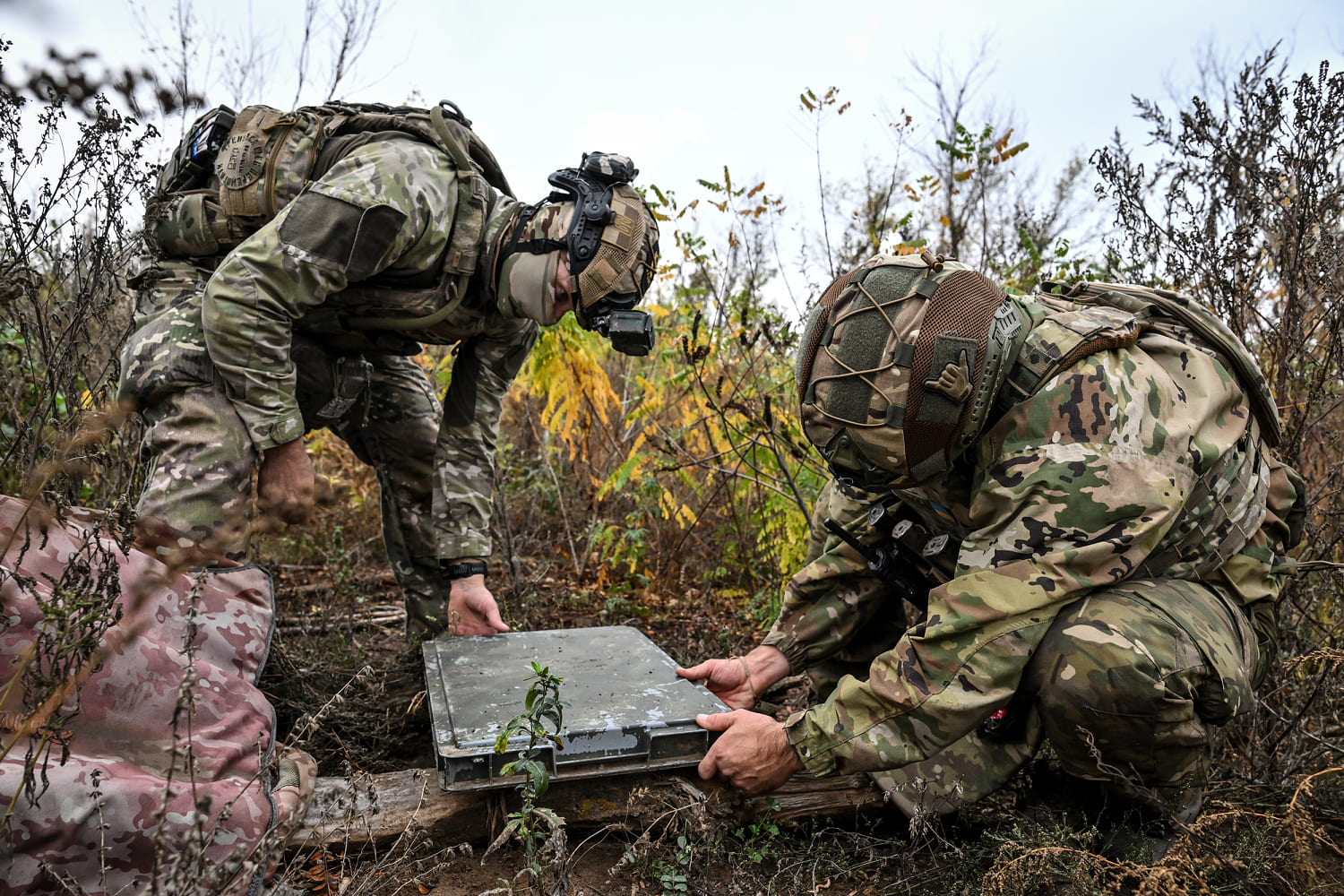
Reality on the ground looked very different. Ukrainian officials quickly pushed back, stating that strict speed curbs and military-grade throttles on Starlink and its defense-focused counterpart, Starshield, remained firmly in place. These restrictions aren't minor inconveniences. They directly disrupt drone operations behind Russian front lines and mess with the air defense networks meant to intercept incoming missile strikes.
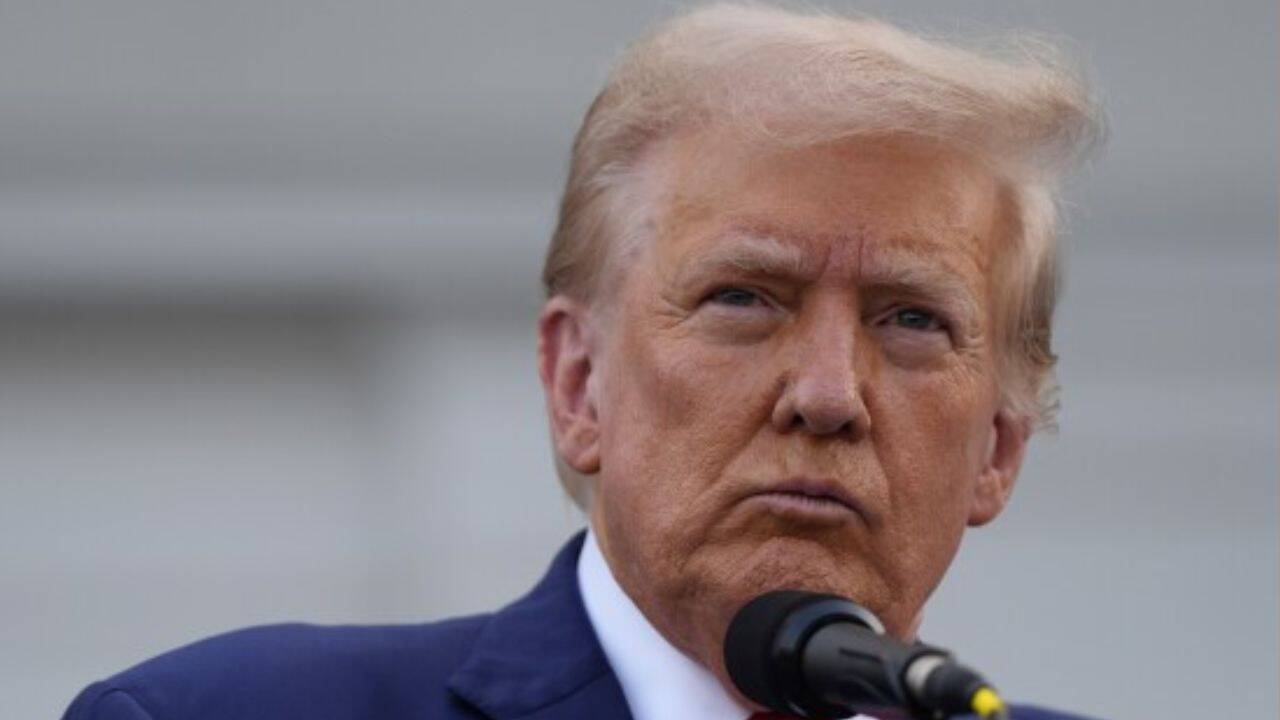
Trump doubled down during a White House press briefing, telling reporters that while he hadn't talked to Musk about it yet, he wouldn't hesitate if the problem dragged on.
"If there is a problem, I'll get it straightened out," Trump said, offering a strong defense of the SpaceX chief executive. "Elon will never do anything wrong. I know him very well. He's a fair person."
Why Starlink Became the Nervous System of Ukraine's Defense
When commercial satellite broadband became a lifeline for Ukrainian troops in the early days of the invasion, it was hailed as a technological miracle. Traditional military communications infrastructure had been bombed, jammed, or hacked. SpaceX terminals shipped in by the thousands, keeping units connected and artillery coordinated.
Over time, that reliance turned into a strategic vulnerability. Starlink isn't a traditional defense contractor bound by rigid Pentagon procurement laws and long-term public service obligations. It's a commercial venture with global reach, commercial priorities, and a billionaire CEO who occasionally weighs in directly on foreign policy and military escalations.
When SpaceX tries to prevent its tech from being weaponized in ways that could trigger wider global conflict, military commanders on the ground face sudden operational blind spots. A speed restriction or a geo-fencing adjustment can paralyze drone platoons that rely on real-time video feeds to locate targets.
The Fragile Alliance Between Trump and Musk
This latest flare-up highlights the unpredictable dynamic between Trump and Musk. Their relationship has survived some wild swings. Musk's brief stint leading the Department of Government Efficiency, dubbed DOGE, sparked intense political battles and a very public falling-out over federal spending cuts.
Yet, pragmatism usually wins out. Musk's high-profile appearance at a White House state banquet signaled a thaw in relations, and Trump's willingness to act as a mediator shows he still values his connection to Silicon Valley's most influential figure.
Even so, outsourcing the communication backbone of a sovereign nation's military defense to a private CEO sets a dangerous precedent. If foreign policy depends on whether two powerful personalities can hash things out over a phone call, international security is standing on very shaky ground.
What Happens When the Terminal Shuts Down
Military strategists are already rewriting doctrine based on the Starlink dilemma. Relying on a single commercial constellation leaves armed forces vulnerable to corporate policy changes, technical throttling, or geopolitical whims. Nations are rushing to build sovereign low-earth orbit constellations, but building a resilient alternative takes years of testing, billions in funding, and massive rocket infrastructure.
Until redundant military-grade networks catch up, frontline commanders remain at the mercy of commercial satellite operators. Trump might promise to get it straightened out with a quick phone call, but the fact that a single phone call is even necessary proves just how much power has shifted away from traditional capitals and into the hands of private tech titans.