Turkish authorities launched a massive nationwide wave of police raids targeting LGBTQ+ organizations, activists' homes, and social venues, taking dozens into custody under the banner of a campaign called "My Family is Safe."
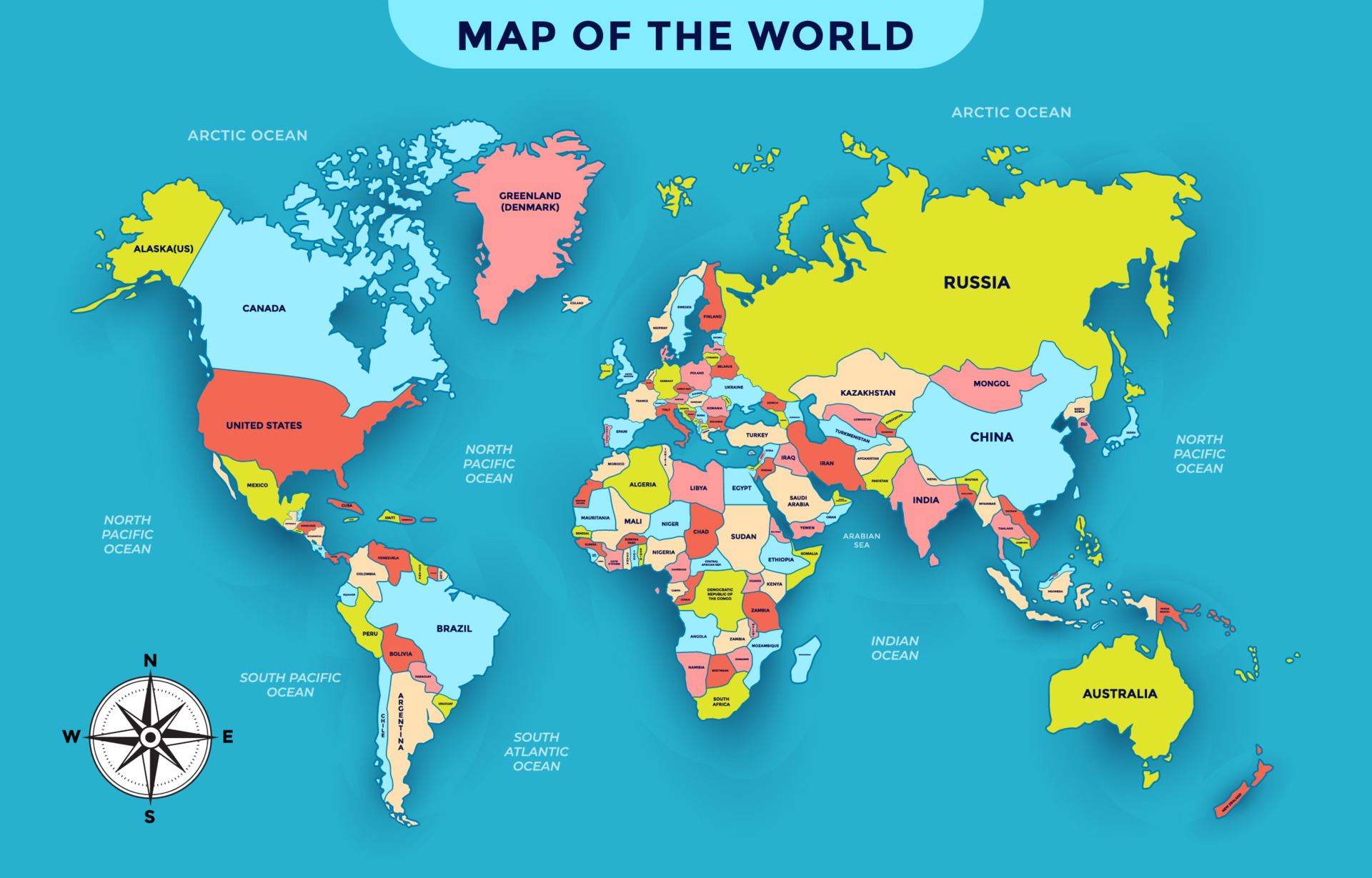
Justice Minister Akin Gurlek announced that judicial proceedings involve 162 suspects, nine associations, and 13 businesses across 15 provinces, including major hubs like Istanbul, Ankara, Izmir, Aydin, and Mersin. Prosecutors claimed the sweeping actions were launched to investigate allegations of obscenity, prostitution, and forming criminal organizations, asserting that underage youths were being inappropriately influenced regarding sexual orientation and gender identity.
Civil society groups and international observers see things differently. They argue that the crackdown is a calculated political maneuver designed to scapegoat minority communities and dismantle independent civil society under the guise of defending traditional family values.
The Reality Behind the My Family is Safe Campaign
The timing of this escalation isn't accidental. President Recep Tayyip Erdogan has been aggressively promoting his "Decade of Family and Population" initiative. The government routinely blames falling birth rates and demographic aging on shifting social norms, explicitly targeting queer people and painting them as a threat to national survival.
When you look past official state declarations, you find a government under immense domestic pressure. Turkey faces chronic economic strain, high inflation, and deep public frustration. Historically, administrations facing structural economic challenges often lean into culture wars to rally conservative voting blocks. Targeting marginalized groups shifts public attention away from economic instability and onto manufactured moral panics.
Prominent advocacy groups like Kaos GL, whose offices were raided and whose websites were blocked alongside other organizations like 17 May, SPoD, and Lambda Istanbul, condemned the raids as state-led discrimination. They point out that using organized crime and obscenity allegations against human rights defenders crosses a dangerous new threshold of judicial intimidation.
Escalating Pressure on Civil Society
The crackdown extends far beyond sudden house searches. Authorities blocked access to dozens of websites and social media accounts belonging to rights advocates, effectively cutting off digital lifelines and legal resources for vulnerable individuals. Activists who spent decades building networks for HIV awareness, legal support, and community safety now find themselves labeled as criminal entities.
International bodies have reacted sharply to the weekend operations. Nacho Sanchez Amor, the European Parliament's Turkey rapporteur, labeled the arrests a shocking escalation of repression that violates fundamental rights and international commitments. Yet, domestic crackdowns have continued to accelerate, reflecting a long-term strategy by the ruling Justice and Development Party (AKP) to shrink the public space for dissent.
For years, authorities have banned Istanbul Pride marches, violently dispersed peaceful gatherings, and blocked international LGBTQ-focused events from docking or gathering in the country. This latest operation signals a transition from administrative restrictions to systematic legal dismantling.
What Comes Next for Human Rights in Turkey
The broader implications extend well beyond the immediate detentions. By weaponizing the legal system against civil society associations, the state sends a chilling message to any independent voice operating in the country. When human rights work is reframed as a criminal threat, organizing becomes nearly impossible.
The situation remains deeply volatile as legal proceedings continue against the detained activists and organizations face imminent dissolution cases. Civil society networks are scrambling to provide legal defense while operating under intense state surveillance.
The suppression of basic freedoms in Turkey shows no signs of slowing down as political leaders double down on polarizing rhetoric to consolidate their base.