You couldn't fly direct from Tel Aviv to Dubai a few years ago. Today, that aviation corridor stands as one of the busiest routes in the Middle East. Hundreds of thousands of passengers pack flights between Ben Gurion Airport and Dubai International every year, turning a once-unthinkable itinerary into a standard weekend getaway or corporate commute.
The shift didn't happen by accident. When the Abraham Accords were signed in 2020, they unlocked more than diplomatic channels. They opened a physical and economic bridge that completely altered how Israelis view the Gulf.
Let's look past the glossy tourist brochures and examine the real forces driving this massive migration of capital, leisure, and curiosity.
The Power of Visa-Free Travel and Aviation Expansion
Diplomacy moves slowly, but commercial aviation moves fast. Within months of the 2020 normalization agreement, Israel and the UAE implemented a mutual visa exemption deal—the first of its kind between Israel and an Arab nation.
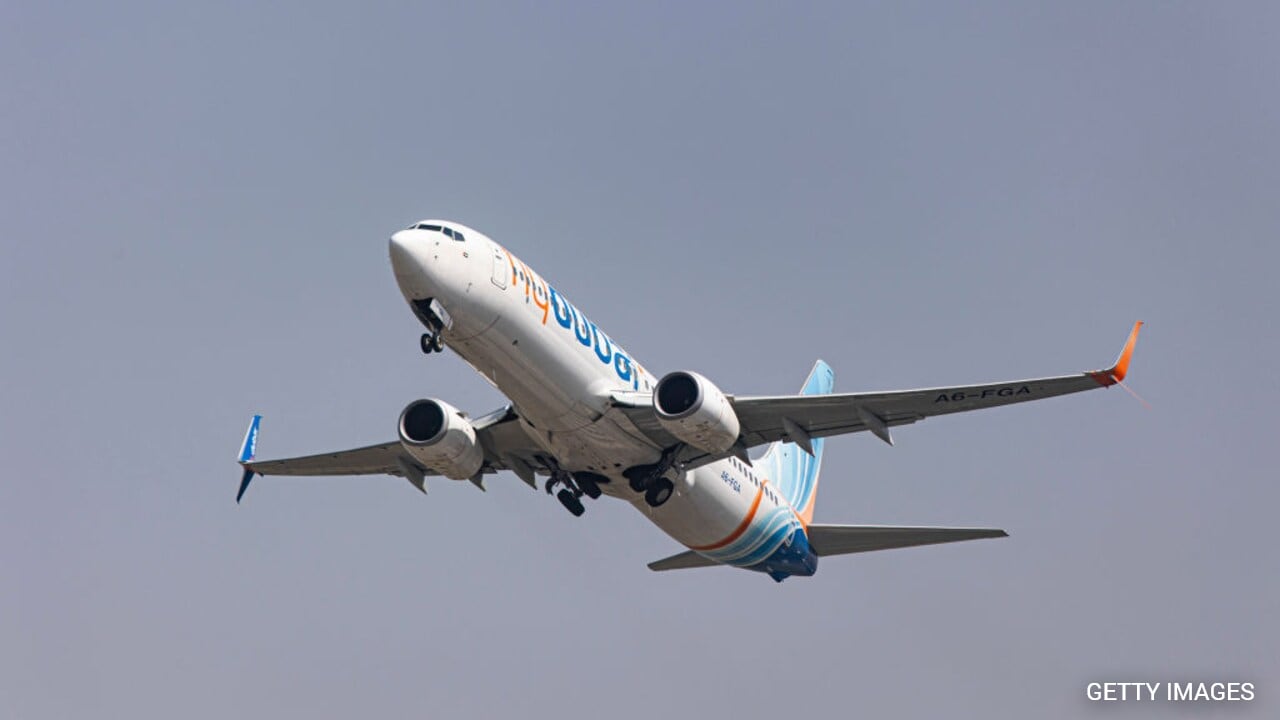
Suddenly, you didn't need to spend weeks waiting for paperwork clearances. You booked a ticket, packed a bag, and boarded a flight. Carriers like Flydubai, El Al, Israir, and Emirates quickly scaled up operations to meet staggering demand, establishing dozens of weekly flights.
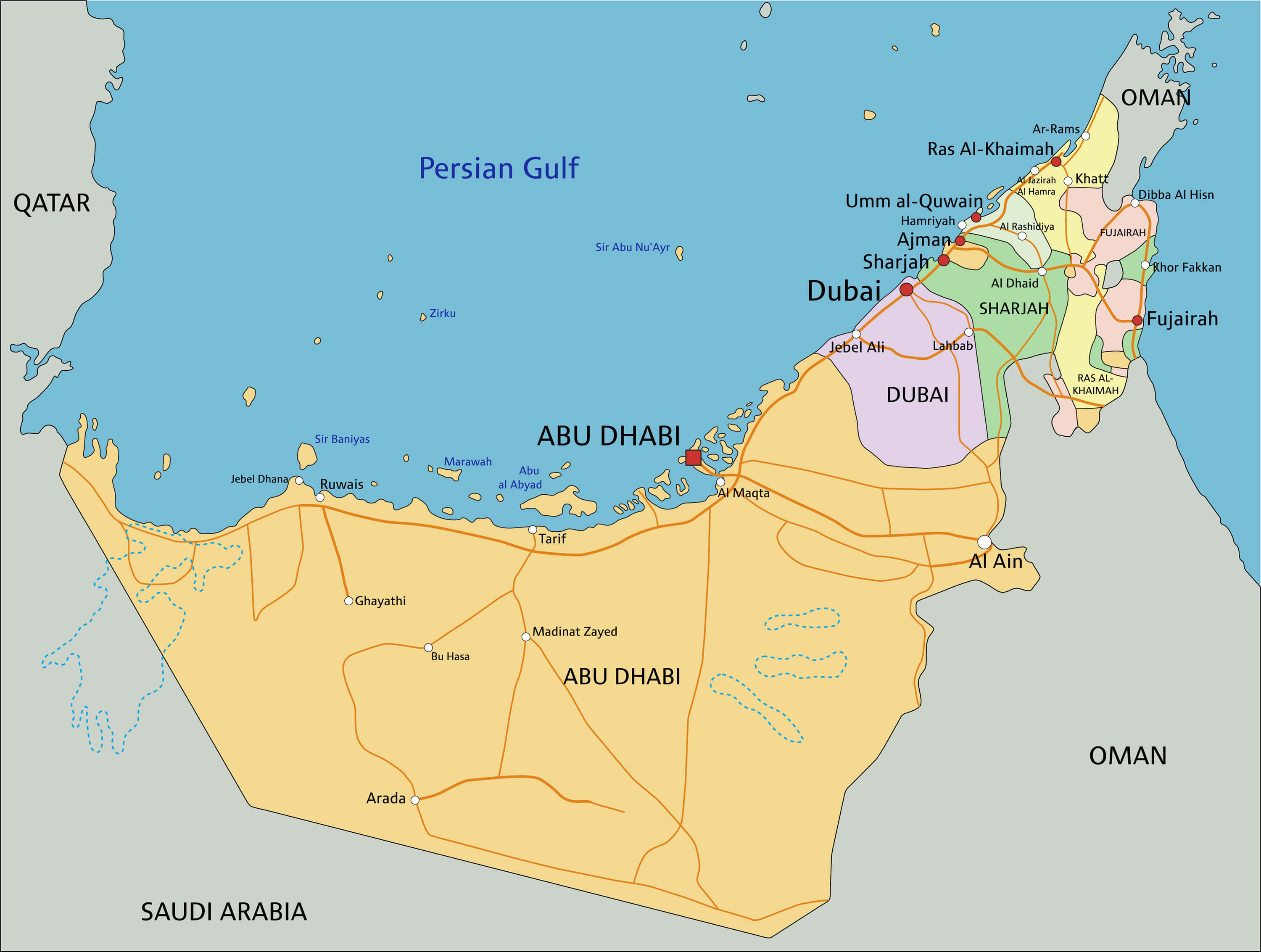
This frictionless travel infrastructure made Dubai and Abu Dhabi as accessible to an Israeli tech founder or family on holiday as Athens or Rome. Proximity matters. A four-hour flight into a luxury-soaked, hyper-modern hub beat out traditional European destinations for many who wanted guaranteed sunshine, high-end shopping, and zero logistical friction.
Business Synergy and the Corporate Pivot
Tourism gets the headlines, but money built the foundation. The bilateral relationship thrives because both economies fit together logically.
Israel brings deep research-and-development capabilities, cutting-edge cybersecurity, healthcare innovations, and agritech solutions to the table. The UAE offers massive trans-shipping infrastructure, venture capital, and a strategic gateway into broader Asian markets like India.
Emirati businesses didn't hesitate to engage openly with Israeli partners. Unlike older diplomatic frameworks where joint commercial ventures often required government cover or faced severe local boycotts, the UAE created a remarkably welcoming business climate. Israeli entrepreneurs found coworking spaces, networking events, and venture capital meetings in downtown Dubai just as receptive as those in Tel Aviv or New York.
Cultural Adaptations That Made Travelers Feel at Home
Confidence breeds comfort. If you travel as an observant Jew, visiting a new country often requires packing canned foods or stressing over dietary restrictions. The UAE dismantled those barriers proactively.
Hotels across Dubai and Abu Dhabi introduced certified kosher kitchens, community synagogues popped up to serve local and visiting populations, and hospitality staff received targeted cultural training. When a destination goes out of its way to accommodate your dietary and religious needs, you feel safe bringing your family there.
That sense of security changed the narrative back home. Word-of-mouth recommendations spread fast across Israeli social circles. The UAE transformed from a geopolitical abstraction into a familiar, friendly vacation spot where Hebrew is heard regularly in hotel lobbies and luxury malls.
Navigating Complex Realities
It's worth noting that this relationship doesn't exist in a vacuum. Regional tensions flare up, conflicts test political alignments, and public opinion shifts under the weight of broader Middle Eastern politics.
Yet, despite external pressures, the economic and people-to-people ties established since 2020 have proven remarkably resilient. Business leaders and everyday travelers continue to prioritize the practical benefits of open borders. The commercial momentum generated over the past few years has created a vested interest in stability on both sides.
If you are planning to tap into the UAE-Israel business corridor or looking to experience the region yourself, stop treating it as a novelty. Research the specific free zones that match your corporate goals, book your flights well in advance during peak winter seasons, and engage directly with local chambers of commerce to build genuine partnerships.