Time is running out for one of South Asia's most important environmental and diplomatic pacts. With the December 12 deadline fast approaching, Bangladesh is pushing hard to secure a renewed Ganga Water Sharing Treaty with India before the current thirty-year agreement expires.
Water security in the lower riparian delta isn't just a policy talking point. For nearly one-third of Bangladesh's 170 million people, the river system dictates day-to-day survival, agricultural yields, and ecological stability. When water levels drop during the lean dry season between January and May, the stakes skyrocket.
The Battle Over the Guarantee Clause
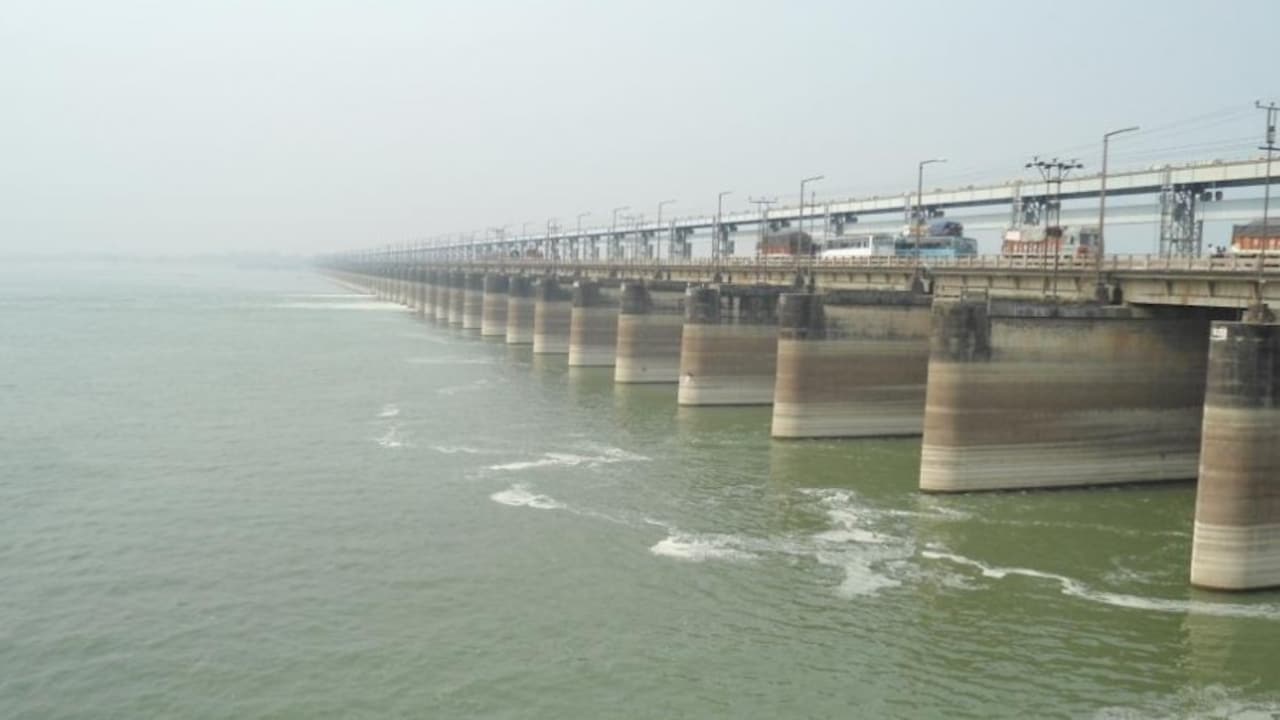
At the heart of Dhaka's current negotiation strategy is a demand to resurrect the strict guarantee clause found in the older 1977 agreement. Under the existing 1996 framework signed by Prime Minister HD Deve Gowda and Prime Minister Sheikh Hasina, water flow at the Farakka Barrage in West Bengal is split based on specific volume brackets. If flows drop below 50,000 cusecs during any ten-day window, both nations are supposed to consult on emergency adjustments.
The sticking point is simple. Bangladesh wants a legal guarantee that if flows fall below eighty percent of historical norms, they are entitled to eighty percent of their allocated share.
Indian hydrologists have long pushed back against this formula. They argue that a rigid guarantee clause places the entire adjustment burden squarely on India's shoulders, potentially compromising the navigability of the Kolkata Port by starving the Hooghly River of necessary flush water. The 1996 treaty compromised by alternating thirty-five-thousand-cusec shares in ten-day blocks during peak lean periods. Dhaka now wants to rewrite those rules.
Regional Complications and Trilateral Pressure
Bilateral water diplomacy rarely happens in a vacuum. Policy circles in Bangladesh have floated the idea of bringing Nepal into the equation, turning a bilateral accord into a trilateral arrangement. The logic is straightforward on paper. Much of the Ganga's dry-season snowmelt originates from upstream rivers flowing out of Nepal, such as the Gandak and the Koshi.
New Delhi, however, strongly prefers keeping things separate. India relies on independent bilateral channels like the Mahakali Treaty with Nepal, maintaining that mixing multiple regional players into the Farakka negotiations will overcomplicate an already delicate process.
Meanwhile, domestic politics add another layer of friction. Bangladesh is eyeing potential construction of the Padma barrage further downstream to better manage internal water distribution. Yet, that internal project faces its own financial and ecological hurdles.
What Happens Next
If negotiators manage to bridge the gap before mid-December, sources indicate the renewed treaty will anchor a planned high-profile visit by Bangladesh Prime Minister Tarique Rahman to New Delhi, cementing a fresh chapter in bilateral ties with Prime Minister Narendra Modi.
The clock is ticking. Water flows won't wait for diplomats to finish arguing over cusecs and guarantees. How both capitals handle the next few weeks will test whether regional cooperation can survive shifting political landscapes and mounting climate pressures.