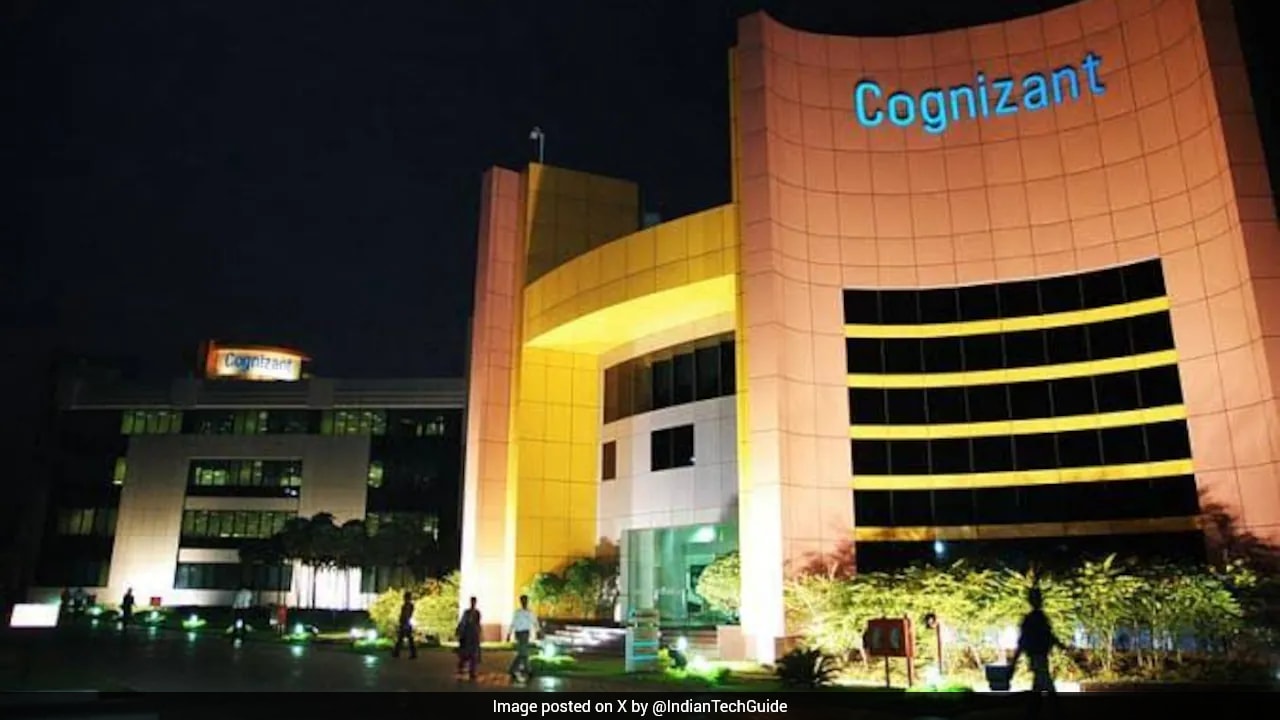
When the United States Department of Labor abruptly halts a major tech corporation's permanent residency sponsorships, panic spreads fast. Anthony D’Esposito, the inspector general at the Labor Department, dropped a blunt warning on social media regarding tech giant Cognizant, declaring that "handcuffs await" amid an intensifying federal probe into employment visa programs.
If you work on an H-1B visa or manage immigration compliance for a major enterprise, this development sends shockwaves through the entire system. Federal regulators aren't just sending warning letters anymore. They are freezing the Permanent Labour Certification (PERM) process entirely for companies under suspicion, leaving thousands of foreign professionals wondering what happens to their American dream. If you liked this article, you should look at: this related article.
What Triggered the Cognizant PERM Suspension
The Department of Labor launched a nationwide investigation into employment visa fraud and misuse. Investigators are targeting a range of alleged violations, including fake job postings designed to discourage local applicants, wage undercutting, fraudulent recruitment, and even ghost offices where supposedly active workers cannot be found.
When D’Esposito posted his warning alongside details about the White House Fraud Task Force, he pointed directly at whistleblower complaints mentioning companies like Cognizant. Alongside a similar suspension handed to software firm Cloudera, this move marks a dramatic escalation in how aggressively Washington plans to protect domestic labor markets. For another look on this story, see the recent coverage from ZDNet.
We are watching a fundamental shift in enforcement strategy. Publicly suspending active filings while an investigation is underway is rare, signalling that federal authorities believe they have enough smoke to warrant cutting off the pipeline immediately.
Understanding the PERM Process and Why This Freeze Hurts
To grasp the severity of this action, you have to look at how employment-based green cards actually work. Before a company can sponsor an employee for permanent residency, it must successfully navigate the PERM labor certification stage. This step forces employers to prove that no qualified, willing, or able US worker is available for the position, and that hiring a foreign national won't depress local wages.
If you block a company from filing PERM applications, you halt the entire intake valve for future permanent residency sponsorship. For tech employees at Cognizant who haven't yet locked in their priority date, the clock is ticking loudly.
- Existing Status: Your current H-1B visa isn't automatically revoked by this announcement.
- Approved Filings: Previously approved labor certifications and pending I-140 petitions generally operate under separate tracks, though the full ripple effect is still unfolding.
- The Backlog Trap: Indian and Chinese nationals already facing decades-long green card backlogs absorb the worst of this blow because every month of delay pushes eventual permanent status even further out of reach.
The Broader Crackdown on Corporate Visa Practices
Cognizant is far from alone in facing mounting scrutiny over foreign worker utilization. Over the past year, federal agencies have pursued multiple high-profile actions against technology companies accused of bypassing domestic talent pools. OpenAI agreed to a multi-million-dollar settlement following allegations that it favored temporary visa holders, while authorities have systematically cracked down on phantom office spaces and shell companies filing fraudulent labor applications.
Statistics show that Cognizant's reliance on temporary visa programs has actually trended downward over recent years—dropping from tens of thousands of Labor Condition Applications down to a few thousand annually. Even so, the sheer volume of its historical footprint keeps its immigration and recruitment practices under a massive microscope.
When federal investigators conduct field checks at corporate outposts and find empty rooms with locked doors, the political pressure to crack down becomes irresistible.
What Affected Workers Should Do Right Now
If you find yourself caught in the middle of this corporate immigration freeze, sitting back and hoping for the best is a terrible strategy. Real panic leads to poor career decisions, but blind optimism is just as dangerous.
First, talk directly to corporate immigration counsel or an independent immigration attorney to evaluate your exact stage in the pipeline. If your PERM application hasn't been submitted yet, you need to map out fallback options, including how your H-1B extensions stack up against the six-year limit.
Second, monitor your employer's official communications closely. Companies facing federal fraud investigations are often tight-lipped while legal teams formulate a response, but knowing when official updates drop can save you from costly surprises.
The era of casual compliance and rubber-stamped employment visas is over. Federal regulators are watching every filing, tracking every financial trail, and making it clear that shortcuts carry severe consequences.