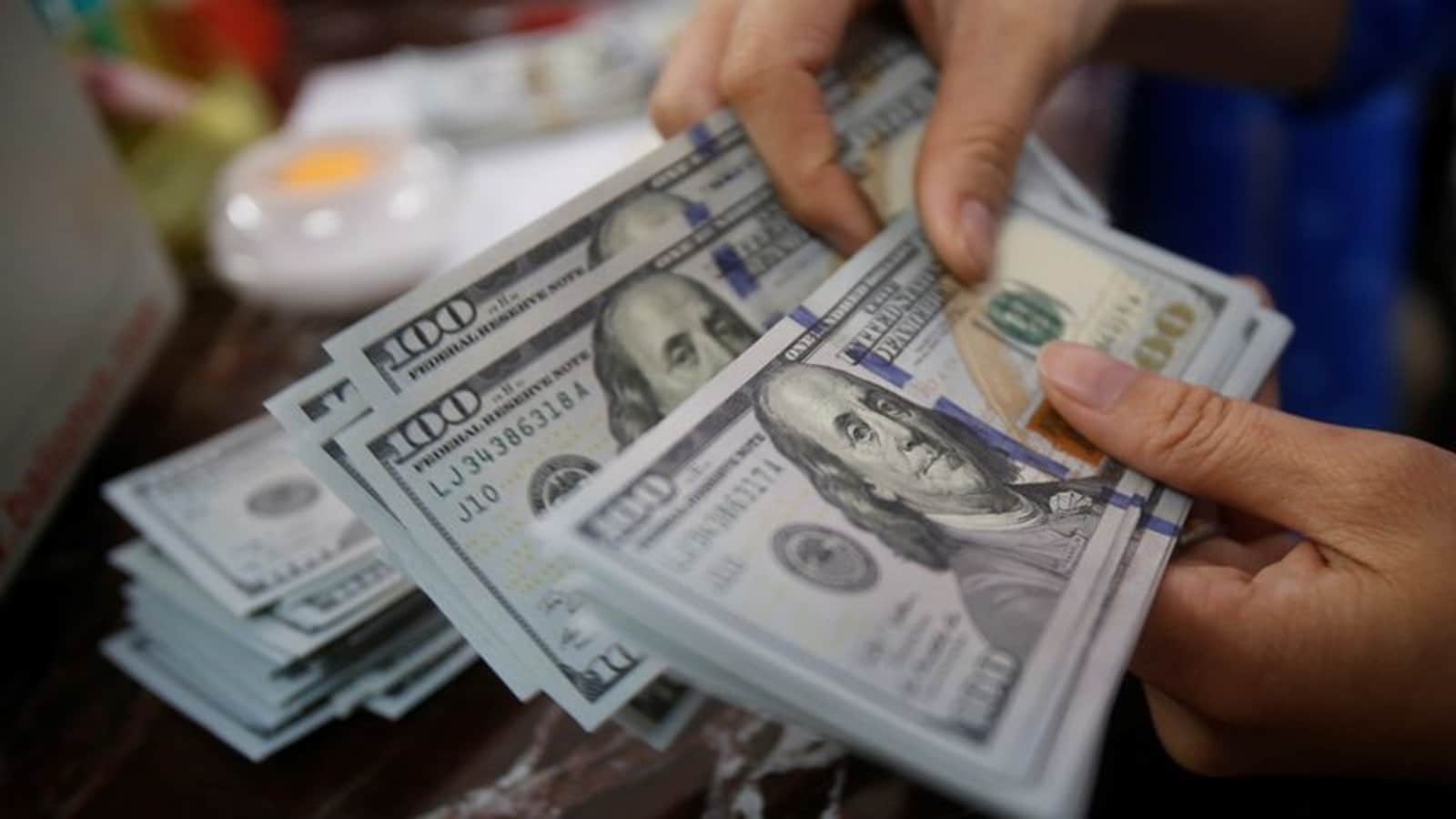
Money flows toward wherever it earns the highest risk-adjusted return. Right now, that gravity is pulling capital straight back to the greenback. The US dollar just smashed through multi-month resistance to touch a 16-month high against both the euro and the Swiss franc.
If you are watching currency markets or trying to figure out how global macro shifts impact your purchasing power, this move isn't just noise. It is a direct consequence of soaring US Treasury yields crossing the 5% threshold, creating a widening chasm between American monetary policy and the rest of the developed world.
The 5 Percent Yield Magnet
Let us be honest about why currencies move. Interest rates rule foreign exchange markets. When US Treasury yields push past 5%, global investors face a simple math problem. Why park your cash in European assets yielding significantly less when you can buy ultra-safe US sovereign debt paying a fat 5% return with zero currency risk for domestic funds?
That yield differential acts like a vacuum cleaner. Global capital rushes out of euros and francs and flows directly into US dollars to buy those bonds. The Swiss National Bank holding its key rate at 0% while the Federal Reserve keeps policy tight makes this trade even more lopsided. Traders are happily borrowing low-yielding francs to fund high-yielding dollar positions, accelerating the greenback's ascent.
Cracking the Euro and Swiss Franc Weakness
The euro took a brutal hit, tumbling toward $1.1312 as rising global energy prices and stubborn regional economic pressures weighed heavily on European growth. It is not just about US strength; it is about European stagnation. When energy costs bite and political risk mounts in the eurozone, the single currency loses its appeal fast.
The Swiss franc faced an identical fate, sliding past 0.83 against the dollar to hit its own 16-month low. For years, the franc served as the ultimate safe haven during geopolitical storms. But when the Swiss central bank keeps its policy rate anchored at zero while US yields top 5%, the carry trade economics completely overwhelm traditional safe-haven flows. Investors prefer a 5% yield over parking cash in a zero-percent vault that costs money to hold.
What This Means for Global Markets and You
Currency volatility creates winners and losers overnight. If you are importing goods into the US, a surging dollar is your best friend. Your purchasing power overseas just jumped, making foreign manufacturing and components cheaper.
If you are a US exporter, though, you are facing a severe headache. Your goods just got drastically more expensive for European and Swiss buyers, threatening profit margins for multinational corporations.
Investors sitting on unhedged foreign equities or currencies are feeling the squeeze too. When the greenback dominates, foreign earnings translate back into fewer dollars.
Keep an eye on upcoming inflation releases and central bank commentary. Markets are hyper-sensitive to any shift in Fed rhetoric. But until those interest rate gaps narrow, the dollar remains the undisputed king of the hill.