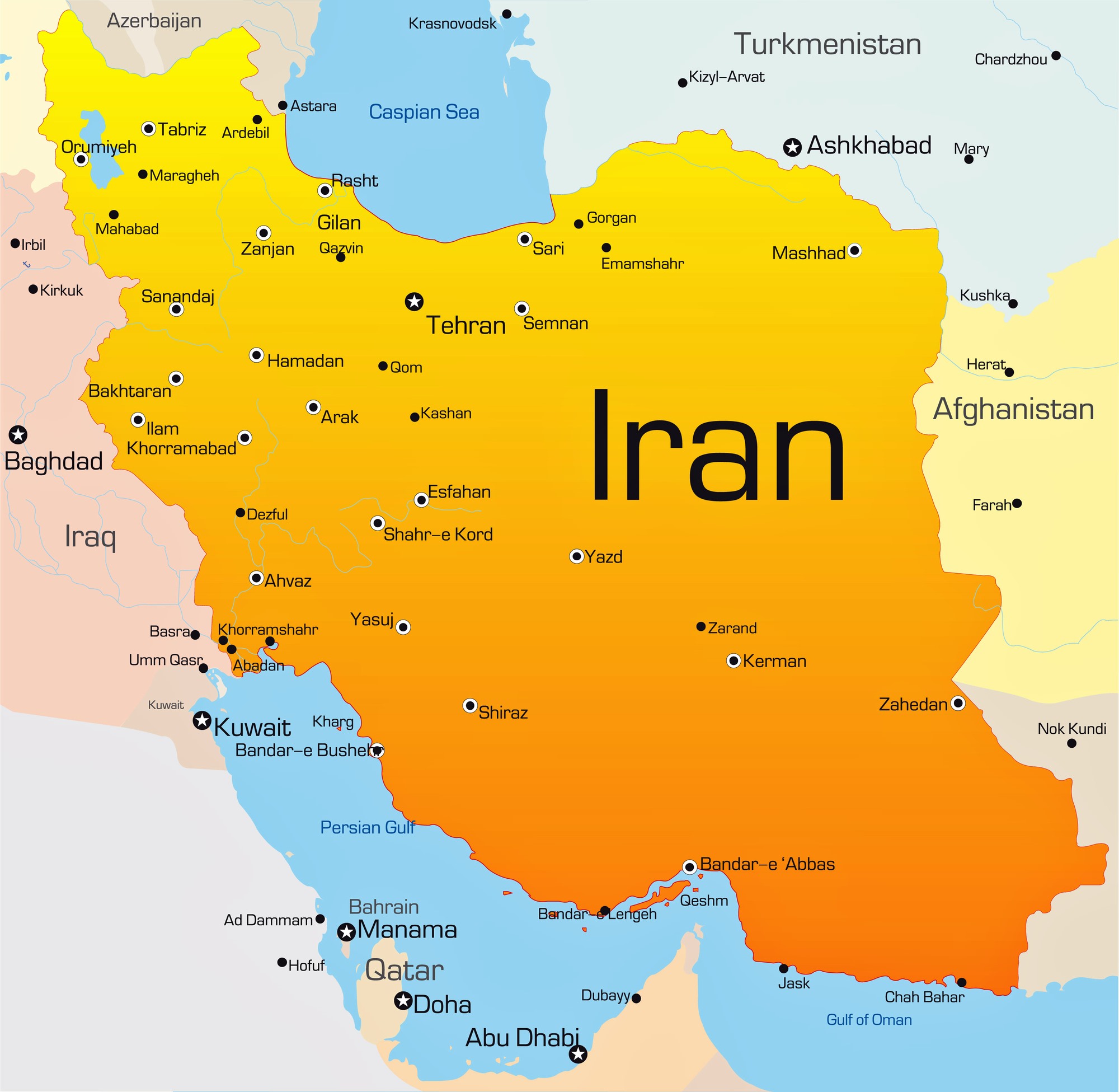
When you leave an autonomous gadget floating in a high-tension shipping lane, someone is bound to try and grab it. That is basically what happened when the US military destroyed two small Iranian boats after members of the Islamic Revolutionary Guard Corps tried to seize an American sea drone patrolling the Strait of Hormuz.
The engagement, confirmed by U.S. Central Command, highlights a brutal reality about the ongoing conflict in the Middle East. It is not just about missiles and fighter jets anymore. It is a low-key, high-stakes tug-of-war over unmanned hardware, commercial shipping routes, and technological intelligence.
What Actually Happened in the Strait of Hormuz
According to CENTCOM spokesperson Captain Tim Hawkins, Iranian small boats tried to take possession of an uncrewed surface vessel. They failed because American forces responded forcefully. An American drone fired missiles at the offending vessels, destroying them entirely.
The target of the botched seizure was a Saildrone. This is a compact, roughly 25-foot autonomous craft that CENTCOM has deployed for years to monitor maritime traffic.
Of course, the local narrative looked completely different. Iranian state media claimed that a pair of fishing boats came under attack off the coast of Hormozgan province, leaving several fishermen missing. Ahmad Nafisi, a local deputy governor, blamed the strike squarely on the US military.
The Battle for Maritime Tech Control
If this sounds familiar, it is because it is part of a growing trend. Just a week prior, the Iranian navy claimed it captured a US military underwater drone near the entrance to the same strait.
Back then, the Pentagon played down the loss. Officials explained that an older Anduril Dive-LD drone had simply malfunctioned while surveying the area. They insisted it was a defective model carrying no sensitive data or classified sonar equipment.
Even so, Iran's aggressive posture toward unmanned tech is no accident. Both sides understand the value of marine robotics. Autonomous surface vessels give the US a cheap, efficient way to keep an eye on heavy oil traffic without putting human sailors in constant danger. When Iran tries to scoop them up, they are hunting for hardware blueprints, sensor packages, or simply looking for a propaganda win.
The Broader Cost of the Conflict
This skirmish does not happen in a vacuum. It sits right in the middle of a grinding conflict that has dragged on for over six months.
The primary objective for Washington right now is keeping energy flows moving. With Houthi attacks disrupting traffic in the Red Sea and Saudi Arabia pushing more oil tankers through the Strait of Hormuz, the US military has doubled down on protecting commercial corridors.
Yet the price tag is mounting. According to a Congressional Budget Office report, the ongoing military campaign has cost the Pentagon tens of billions of dollars, draining stockpiles of advanced missile interceptors and damaging facilities across the region. At home, rising gas and oil prices tied to the conflict have turned into a political headache for the White House as midterm elections approach.
What Comes Next for Gulf Security
The strategic calculus in the Persian Gulf is shifting toward heavier reliance on unmanned systems coupled with immediate, kinetic deterrence. The US military is not willing to let local actors walk away with its surface assets, regardless of whether the technology inside is commercially available.
If you are tracking maritime security trends, expect more of these proxy and tech-focused standoffs. Unmanned systems are the future of naval surveillance, which means they will remain prime targets for state actors looking to test American resolve.
To keep tabs on how this affects global trade and regional stability, watch the diplomatic channels—like recent Omani-led de-escalation efforts—alongside CENTCOM's operational updates in the Gulf. The standoff over the Strait is far from over.