You have probably heard the news: the US military is moving beyond the Caribbean and taking its campaign into the heart of Latin American soil. If you think this is just a continuation of standard drug interdiction, you are missing the bigger picture. This shift represents a fundamental change in how the United States interacts with its neighbors.
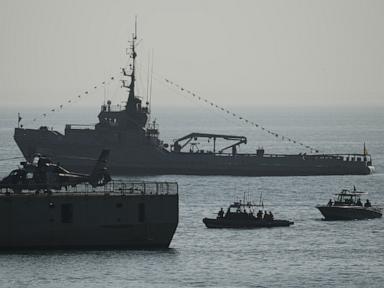
After killing hundreds in maritime strikes over the last year, the mission has officially entered a new phase. It’s no longer just about sinking boats in the Caribbean or the eastern Pacific. The strategy is now firmly focused on land-based operations, raising difficult questions about sovereignty, legality, and the real goals of "Operation Southern Spear."
The Shift From Sea to Soil
For months, the narrative was simple. The administration labeled drug traffickers as "narcoterrorists" and authorized the military to target their vessels. The results were immediate and often brutal. More than 200 people were killed in over 60 boat strikes. Yet, the flow of illicit substances didn't stop. Most experts—and even the data on how fentanyl enters the country—point to land routes through Mexico as the primary pipeline, not remote boat paths in the Caribbean.
The current escalation targets land-based networks in nations like Colombia and potentially beyond. When you move troops, drones, or special operations units onto foreign soil, the "counter-narcotics" label starts to feel thin. This isn't just about intercepting cargo anymore. It’s about direct military pressure on local political and insurgent structures.
Who Actually Defines the Targets
One of the most concerning aspects of this campaign is the criteria for what constitutes a "target." The administration has designated various groups as foreign terrorist organizations without providing much in the way of public evidence. Once you label a group a "terrorist" entity, the rules of engagement change entirely. It grants the military the authority to conduct strikes that would otherwise be subject to intense diplomatic scrutiny.
I have spent years watching regional security policy, and the pattern here is familiar. It mimics the early days of the war on terror. You define an enemy, you lower the threshold for combat, and you expand the geographic footprint. The problem is that Latin America isn't a conflict zone defined by a singular ideology. It is a complex web of local grievances, political instability, and socioeconomic pressure. Treating it like an active war zone doesn't fix the drug trade. Instead, it risks alienating the very partners the US needs for long-term stability.
Sovereignty at Risk
The move into nations like Ecuador and Colombia tests the limits of national sovereignty. In Ecuador, the government launched joint raids with the US despite widespread public opposition to foreign military presence. When a government invites or allows a foreign power to conduct combat operations on its land, it effectively outsources its own security and justice systems.
This creates a dangerous feedback loop. The more the US leans into military solutions, the less incentive local governments have to reform their own police and judicial institutions. It is a short-term band-aid that often masks deep-seated institutional rot. If you are looking for long-term solutions, look at judicial reform and economic development. Those are boring, slow, and hard to sell in a press release. Bombing drug labs or raiding compounds is loud, decisive, and ultimately, a political stunt.
What Happens Next
If you are trying to understand where this is heading, watch the diplomatic responses in the region. There is a fine line between security cooperation and military occupation. As the US expands its operational mandate, local backlash is inevitable. We are likely to see increased recruitment for the very insurgent groups the US claims to be fighting.
The strategy ignores a fundamental reality of the region: military force cannot kill a business model fueled by massive consumer demand in the United States. As long as that demand exists, new groups will rise to fill the vacuum left by the ones the US strikes. It is a cycle that has defined the "war on drugs" for decades, and it shows no sign of stopping.
If you are affected by these policies or follow regional security, keep an eye on how these operations are funded and what authorities are being granted to commanders on the ground. The transition from maritime policing to land-based combat is a threshold that, once crossed, is notoriously difficult to reverse. Don’t expect a clear "end date" or a mission accomplished banner. This looks like a long-term deployment designed to reshape the political geography of the hemisphere.
Understanding Operation Southern Spear
This video provides important context on the initial naval escalation that eventually paved the way for the land-based operations discussed in this article.