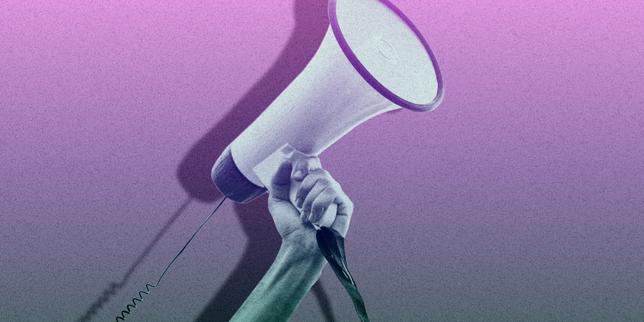
When politicians tell striking French high schoolers to stop complaining and look at how hard kids in China work, they reveal a profound misunderstanding of reality. Recently, conservative deputy Philippe Juvin decided that the remedy for youth mobilizations was a heavy dose of East Asian productivity guilt. The message is simple and old: work harder, shut up, and stop protesting because your foreign competitors are putting in the hours.
It sounds like tough love on paper. In practice, it is an intellectually lazy comparison that ignores the brutal, hyper-competitive conditions of the Chinese school system. If you actually examine what daily life looks like for a student in Shanghai or Beijing, you realize nobody should be holding that model up as an ideal to emulate.
The Myth of the Hardworking Model Student
Let's look past the political talking points. The Chinese educational grind is defined by the Gaokao, the national college entrance exam that dictates the entire trajectory of a teenager's life. Millions of students study from seven in the morning until ten at night, bouncing between regular classes and intensive private tutoring.
Burnout, extreme anxiety, and chronic sleep deprivation are massive public health issues for Chinese youth. We are talking about a system so punishing that the government itself has tried to crack down on excessive homework and private after-school tutoring through policy changes like the "double reduction" policy. When politicians use Chinese students as a stick to beat French teenagers, they ignore the human cost of a pressure cooker that produces record levels of youth stress.
Protesting is Part of Democratic Culture
France has a long, messy tradition of student mobilization. When teenagers take to the streets, block high school gates, or air their grievances about reforms and future prospects, they are exercising a democratic muscle.
It is easy for lawmakers sitting in comfortable offices to dismiss this engagement as laziness or a lack of discipline. But civic participation shouldn't be traded for blind obedience. Telling students to trade their democratic rights for a 12-hour study schedule misunderstands why civic education matters. A functioning democracy relies on citizens who question authority, not passive cogs who accept whatever conditions are handed down to them.
The Danger of Selective Comparisons
Political talking heads love to cherry-pick foreign examples when it suits their narrative. They want the test scores and the study hours of Asian education systems without any of the structural context. They skip over the massive state investment, the specific cultural expectations around filial piety and collective success, and the sheer psychological weight placed on young shoulders.
If you want to compare educational systems, look at the whole picture. Look at teacher working conditions, funding gaps, and mental health resources. Don't just pull out a lazy cliché about kids in Asia working harder to shame local teenagers into silence.
Stop pretending that structural issues can be solved by demanding more grit while offering fewer resources. Real reform requires fixing our own institutions, not fantasizing about foreign models that leave a trail of exhausted teenagers in their wake.
.JPG?q=50&fit=crop&w=825&dpr=1.5)