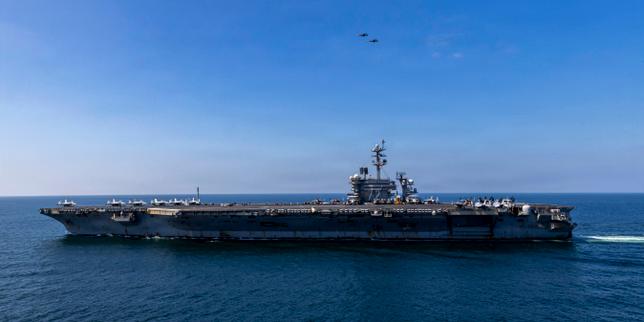
The USS Abraham Lincoln is currently at the center of a firestorm that goes far beyond typical military griping. With over 250 consecutive days at sea, 5,000 sailors and Marines are trapped in a cycle of combat operations and deteriorating living conditions that are pushing the limits of human endurance. It is no longer just about operational tempo; it’s about a crew that feels forgotten.
The reality of record-breaking deployments
When a carrier strike group leaves home port, families expect a standard rotation. Maybe six months, perhaps eight if things get hairy. The Lincoln crew has been gone for nine months. They have spent over 250 days without making a real port call, save for two brief, fleeting stops in Guam and Oman.
You cannot maintain a machine—human or mechanical—under these conditions without parts breaking down. Sailors are reporting moldy showers, broken plumbing, and laundry facilities that have been out of commission for weeks. When you add in food shortages—where meals are sometimes reduced to the bare essentials like rice and tortillas—it isn’t surprising that morale has bottomed out.
Beyond the headlines
The most alarming reports aren't about the broken toilets, though those are bad enough. The real crisis is the mental toll. There have been reports of sailors attempting to go overboard, intercepted by shipmates who understand that the pressure cooker environment is becoming lethal. While the Navy maintains that it hasn't seen a spike in suicidal ideation, the stories coming directly from families and sailors on the ship suggest a much grimmer reality.
I’ve spoken with those who understand the rhythms of a carrier deck. They know that when you're launching and recovering aircraft in a high-threat environment, every single person needs to be sharp. Sleep deprivation isn't just an annoyance; it’s a direct threat to flight deck safety. When you are rationing hygiene supplies like toothpaste and soap while working grueling, round-the-clock shifts, the mental buffer simply vanishes.
The breakdown in trust
There is a massive gap between the official military narrative and the lived experience of the crew. When the Defense Secretary dismisses reports of substandard living conditions as "fake news," it doesn't solve the problem. It just tells the crew that their leadership isn't listening.
Families are now organizing, clashing with Navy leadership at town halls, and demanding answers. They aren't just looking for a return date; they are looking for accountability. They want to know why their loved ones are being pushed past the point of exhaustion in a region where supply lines are being disrupted by active combat.
What needs to happen next
The Navy can't just keep squeezing this crew and hoping for the best. If they want to keep the carrier in the region, they need to prioritize the human element as aggressively as they prioritize the mission.
- Immediate supply chain intervention. If the current logistics chain can't deliver fresh food and basic hygiene products, the Navy must pivot to alternative resupply methods. Using combat logistics ships to prioritize "soft" supplies is a morale necessity, not a luxury.
- Transparent rotation schedules. Nothing kills morale faster than a moving goalpost. The uncertainty of when they will finally head home is arguably the biggest contributor to the current mental health strain. Providing a firm, realistic return date—even if it's months away—is better than "indefinite."
- Independent oversight. When the chain of command is perceived to be failing, you need outside eyes. A bipartisan Congressional delegation visiting the ship wouldn't just be political theater; it would force the reality of the situation into the light of day.
This situation isn't going to fix itself with statements about "resilience." Resilience is a finite resource, and these sailors have been drawing from an empty account for months. The Navy needs to act before a tragedy turns a high-stakes mission into a permanent disaster.
The ship will eventually come home. But the damage done to the trust between the service and its people might take years to repair. Stop ignoring the people on the deck and start treating them like the assets they are.


