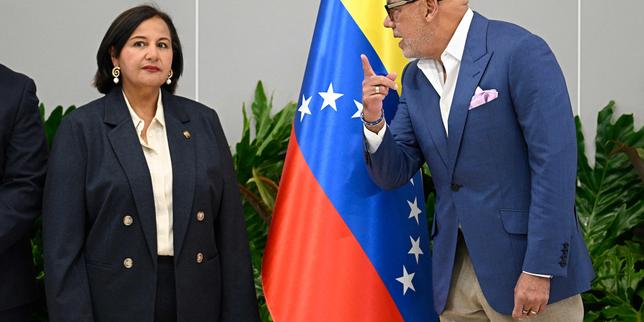
Seven months after U.S. special forces snatched Nicolás Maduro from Caracas in a dramatic predawn raid, the country isn't experiencing a democratic rebirth. It's stuck in political purgatory. If you expected a quick pivot to free elections and a reformed state when Operation Absolute Resolve took down the regime, you misread how deep the Chavista apparatus actually goes.
The structural machinery of authoritarian power remains firmly intact. Sure, the man at the top is facing federal drug trafficking charges in a Manhattan courtroom, but the regime he built simply rebranded. Vice President Delcy Rodríguez stepped into the presidency, quickly pivoting from denouncing American imperialism to cutting strategic deals with Washington.
This is the central trap of Venezuela's current phase. Washington got what it wanted—unlocked oil exports, mineral access, and security cooperation—while regular Venezuelans got a regime wearing a fresh coat of paint.
The Illusion of Change in Caracas
The interim administration knows how to play the optics game. Following Maduro's removal, authorities released hundreds of political prisoners under mounting international pressure. Diplomatic ties with the United States were officially restored after a seven-year freeze.
Yet, these cosmetic shifts hide a grim reality. Independent monitoring groups and human rights organizations point out that the core pillars of repression have not been dismantled. The judiciary, the electoral council, and the security forces answer to the exact same political class that managed the economic collapse over the past decade.
When a government transitions without purging its corrupt architecture, it doesn't become a democracy. It becomes an adaptive autocracy. The faces at the top change, but the levers of control stay in the same hands.
The Oil Deal and Geopolitical Realignment
Let's talk about why the international community went quiet so fast. The 2026 reform of the Organic Law on Hydrocarbons completely changed the rules of engagement. Private domestic and foreign companies can now take charge of primary oil activities like exploration and extraction without being strangled by state-run PDVSA monopolies.
For global energy markets, this was a massive win. Oil production ticked upward, sanctions saw major relief, and American energy firms secured lucrative footholds. At the same time, traditional geopolitical anchors shifted. Cuban subsidies dried up overnight, Iranian influence plummeted, and Chinese state lenders watched their decades-long leverage evaporate as Washington pulled the country back into its hemispheric orbit.
You have to look at the math. Geopolitical stability and corporate access won out over human rights and genuine democratic reform.
When Disaster Strikes an Unreformed State
No event exposed the fragility of this fake transition quite like the devastating twin earthquakes that struck northern Venezuela in late June, killing thousands.
Emergency response efforts were disorganized, slow, and plagued by the exact same institutional decay that hollowed out public services years before. Hospitals lacked basic supplies. Infrastructure collapsed because decades of corruption prevented proper maintenance.
Macroeconomic indicators might look better on paper because of rising oil revenues, but on the ground, inflation remains brutal, wages are non-existent, and power grids fail regularly. A government that cannot handle a national disaster without crumbling is not a stable partner. It's a liability.
What Comes Next for the Country
Real recovery won't happen as long as the current political elite clings to survival. Cosmetic legislative tweaks and prisoner releases are tactical concessions designed to keep foreign capital flowing while domestic opposition leaders are kept sidelined.
Moving forward requires intense international pressure to condition any economic flexibility on real transparency and civic freedom. Civil society groups and human rights defenders must lead the charge for institutional reinstitutionalization. Until the international community stops trading long-term democracy for short-term barrels of oil, Venezuela will remain trapped in limbo.


